简体中文
简体中文
 English
 عربى
عربى
NEWS
Home / News / Industry News / Medical Device Stamping: Materials, Tolerances, and How to Source Reliable Parts
Content
Open almost any medical device and you will find stamped metal doing quiet, critical work: spring contacts carrying signals to a sensor, a thin gasket sealing a pump housing, a bracket holding a board in place. When one of these parts arrives burred, contaminated, or out of tolerance, the failure usually surfaces late, during validation or after launch, when change is most expensive.
For thin-gauge, high-volume metal hardware, precision stamping is the most dependable and economical process available. What separates a reliable supplier from a risky one is rarely the press itself; it is die engineering, material traceability, and how tightly burr height, cleanliness, and plating are specified and verified. This article covers what medical device stamping includes, when it beats the alternatives, which materials survive clinical environments, and which sourcing checks prevent costly surprises.
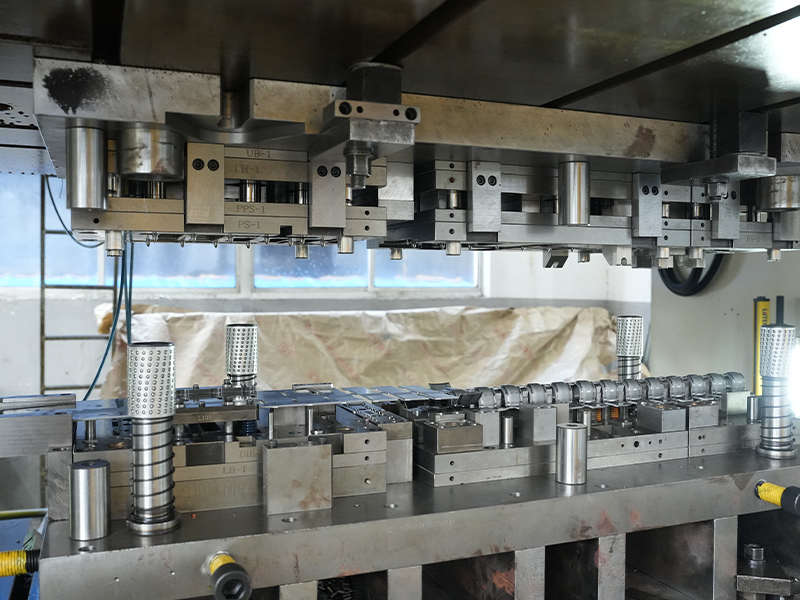
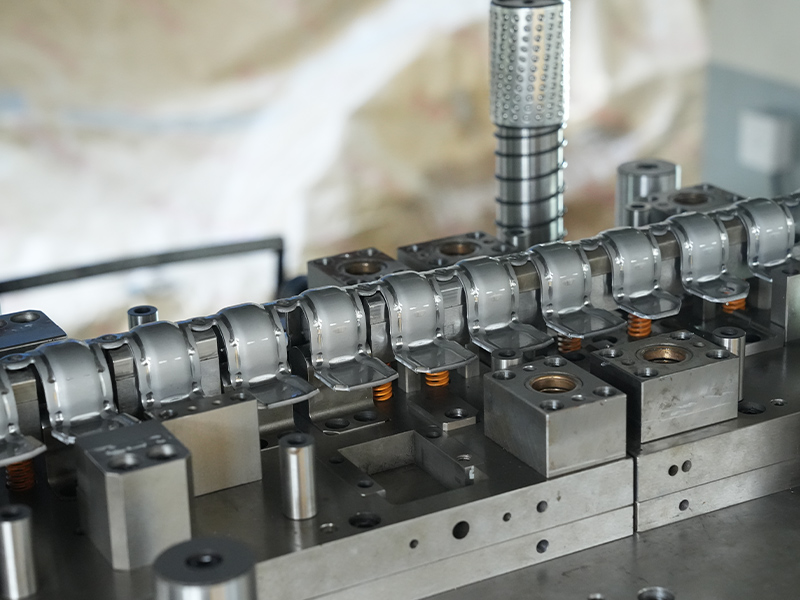
Medical device stamping is the forming of flat sheet or coil metal into finished components using hardened tooling. The core operations, blanking, piercing, bending, forming, and shallow or deep drawing, are usually combined in a progressive die: a metal strip advances station by station, and each press stroke releases a finished part.
In device and equipment programs, the process typically produces:
Most stamped volume in the medical industry goes into device hardware and equipment rather than implantables. Deep-drawn implantable components do exist, but they carry additional material and cleanliness requirements. For equipment-side parts, the priorities are dimensional consistency, surface condition, and corrosion resistance that survives repeated cleaning and disinfection.
Conclusion first: once annual volume for a flat or formed thin part passes roughly ten thousand units, precision stamping almost always delivers the lowest cost per part with the best consistency. CNC machining suits prototypes and complex three-dimensional features; metal injection molding suits small, intricate shapes that stamping cannot form.
| Criterion | Precision stamping | CNC machining | Metal injection molding |
|---|---|---|---|
| Practical volume | Tens of thousands to millions of parts per year | Prototypes to low and mid volumes | Thousands to hundreds of thousands |
| Typical tolerance | Around ±0.05 mm on thin stock, tighter on critical dimensions with well-built tooling | ±0.01 to 0.02 mm | 0.1 to 0.3 percent of feature size, secondary sizing often needed |
| Cost per part at scale | Lowest, and it falls sharply as volume grows | Stays high because cycle time does not improve | Moderate, falls once tooling is amortized |
| Best-suited geometry | Flat or formed parts from sheet and coil, including very thin walls | Complex 3D features and thick sections | Small, intricate three-dimensional shapes |
| Main watch-outs | Tooling lead time and cost, burr and surface control | Slow cycles, material waste | Porosity control, sintering distortion |
The economics explain the pattern. A progressive die costs more upfront, but each stroke produces a complete part in a fraction of a second. On the thin stock common for contacts and shielding, 0.1 to 1.0 mm, precision stamping holds tight tolerances stroke after stroke, and because every part comes from the same die, part number 500,000 matches part number 500. That repeatability is exactly what design history files and audits ask you to demonstrate.
Material selection drives most long-term failures in stamped medical hardware, so it deserves more attention than the price difference between grades suggests.
Stainless steel is the default where corrosion resistance matters. 304 handles general exposure at moderate cost; 316 and 316L add molybdenum for chloride resistance, which matters wherever parts contact saline, cleaning agents, or repeated disinfection cycles; 410 trades some corrosion resistance for hardness at wear points. Whatever the grade, passivation after forming restores the chromium oxide layer that stamping and handling disturb, and every lot should arrive with mill test documentation. For a deeper comparison, this buyer's guide to stainless steel grades walks through the selection logic in detail.
Copper alloys take over where current must flow. Phosphor bronze combines electrical conductivity with fatigue resistance, so contact force survives tens of thousands of insertion cycles, which is why it dominates contact and connector applications. Tin or silver plating then lowers contact resistance and enables soldering; plating thickness and adhesion should be specified and measured, not assumed.
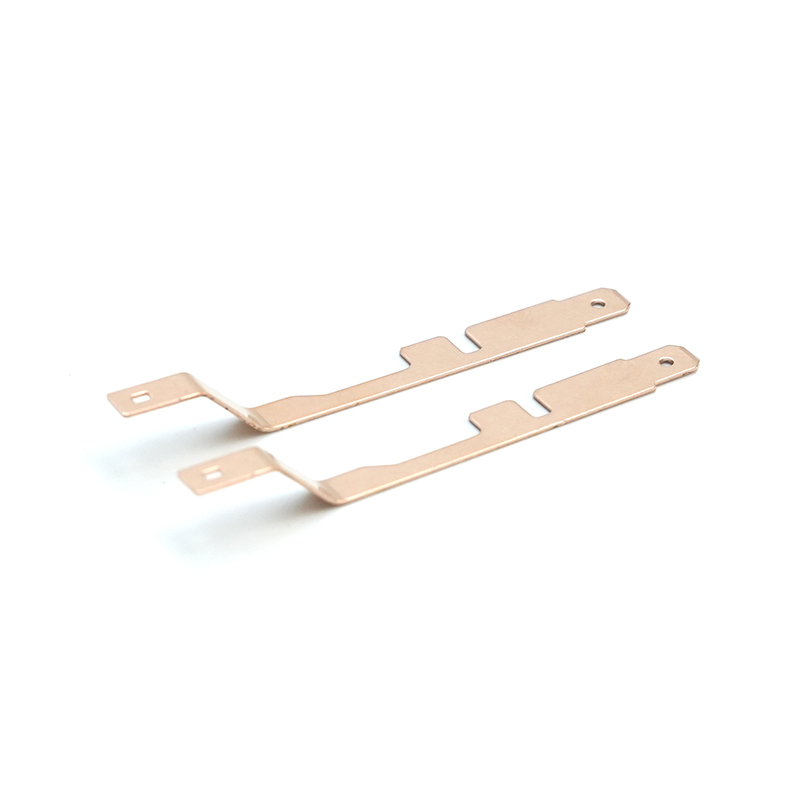 Phosphor Bronze Connector ContactsPhosphor bronze combines conductivity with fatigue resistance, holding contact force over tens of thousands of insertion cycles. Optional tin or silver plating lowers contact resistance and enables soldering.View Product →
Every button, door interlock, and consumable interface on a device depends on stamped contacts. The engineering question is not whether the part fits, but whether contact force and resistance stay stable after thousands of cycles. That is why spring contacts are stamped from full-hard strip, with bend radii, grain direction, and springback compensation settled during die design rather than discovered during assembly.
 Stainless Steel Stamping Metal ShrapnelFull-hard stainless steel spring contacts stamped with controlled bend radii and springback compensation, so contact force and resistance remain stable through thousands of operating cycles.View Product →
Connectors follow the same logic. Stamped pins and terminals must hold position so plated surfaces land where they were designed to; a drift of a few hundredths of a millimeter shifts the contact point and accelerates wear. For solenoid valves and fluid control subassemblies, plated copper pins add stable conductivity on top of the stamped geometry.
Board-level electronics need shielding, and stamped cans made from thin stainless or tinplate keep radiated noise away from sensitive analog front ends. Sealing hardware such as gaskets and washers for pumps and valves depends on flatness and edge quality as much as on the base material. Structural brackets and clips rarely attract attention until one cracks, which is another way of saying that die quality shows up in places buyers usually forget to inspect.
Device electronics also rely on small stamped terminals and plugin components that link boards, sensors, and power paths. These parts look simple, but their edge condition and surface finish determine connection quality over years of service.
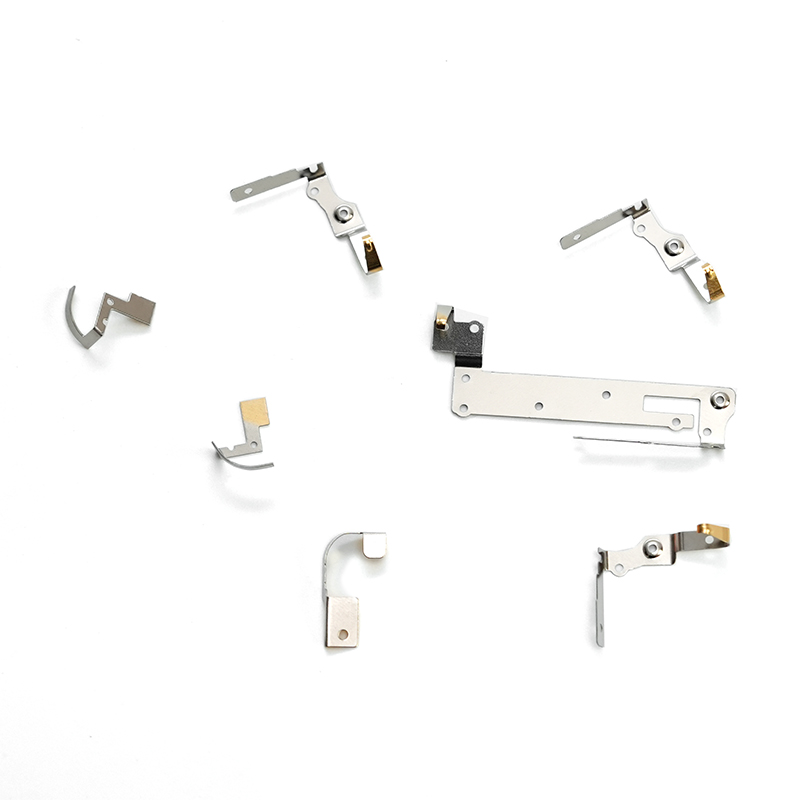 Stamped Stainless Steel Electronic Plug-InSmall stamped stainless steel terminals and plug-in components linking boards, sensors, and power paths, where edge condition and surface finish determine long-term connection quality.View Product →
Most stamping problems in device programs trace back to three gaps: unclear die ownership, missing material traceability, and loose burr or cleanliness specifications. Closing them costs little at the sourcing stage and is very expensive after validation. Before committing to a supplier, require:
One procurement risk deserves its own mention: single-source tooling. If the die belongs to the supplier and the design data lives only on their servers, switching suppliers means rebuilding both. Settle ownership and documentation in the contract before the first sample is cut, not after a problem forces the conversation.
Treating stamping as a tooling partnership rather than a commodity purchase changes the outcome. The most useful suppliers join before the design freezes, when a small change in bend radius or strip layout can cut tooling cost and per-part price at the same time, and they stay accountable for that tooling through the life of the program.
That is the model we work from at Changzhou Dingjia Metal Technology. Founded in 2010 and based in Changzhou, China, we design, assemble, and maintain our own stamping dies, and we run 24 presses with production capacity up to 500 tons, covering stainless steel, copper alloys, plated copper components, and other materials for customers in the automotive, electronics, and medical machinery fields. If you are specifying stamped components for a device program and want a second opinion on manufacturability, material choice, or tooling strategy, contact our team with your drawings and annual volumes.
Progressive Die Design: How Engineers Turn a Part Print into High-Volume Production
2026-08-27Metal Stampings for Medical Devices: Materials, Tolerances, and Supplier Selection
2026-09-11Your email address will not be published. Required fields are marked *

Our stainless steel stamping metal shrapnel is a high-performance component designed to meet the demanding requirements of industries that need precision, durability, and resistance to harsh environme...
See Details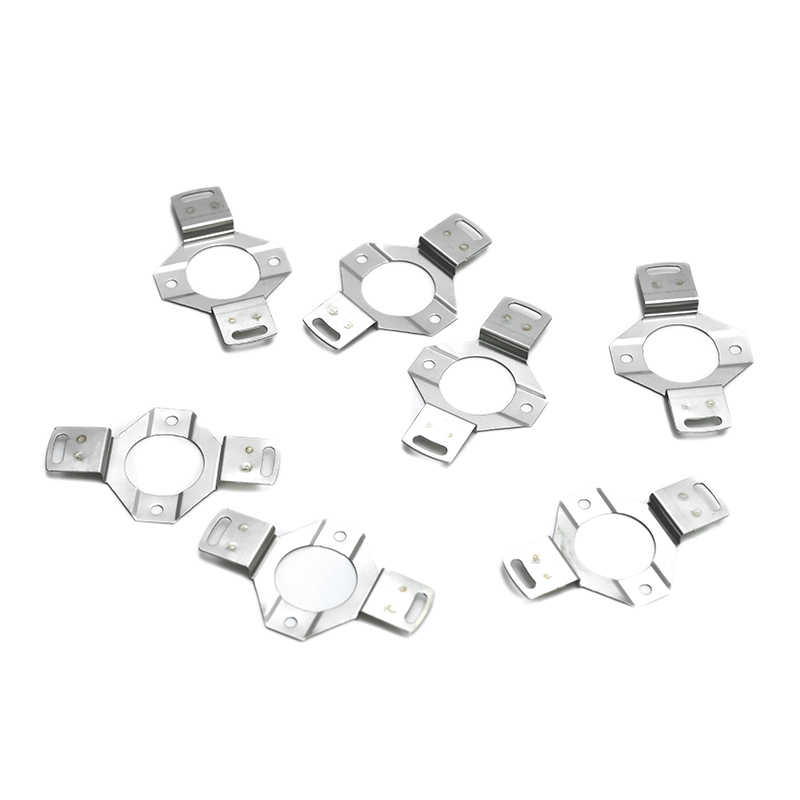
Our wear-resistant stainless steel bracket is engineered for high-performance applications where durability and strength are paramount. Made from premium stainless steel, this bracket is designed to w...
See Details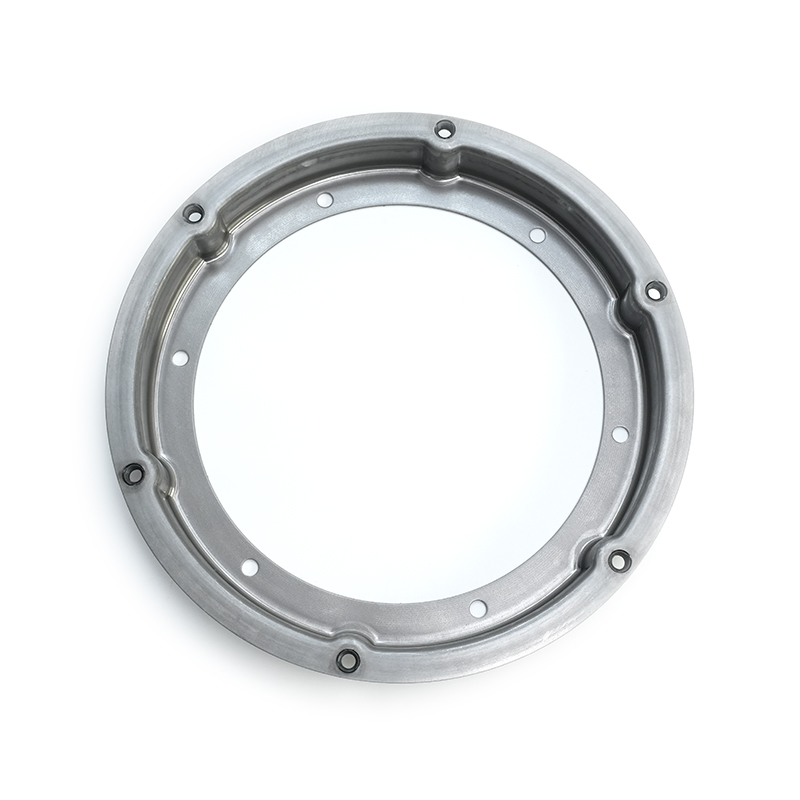
The Iron Engine Torque Converter Component Stamping Parts are precision-engineered components specifically designed for torque converters in automotive powertrain systems. Manufactured using high-stre...
See Details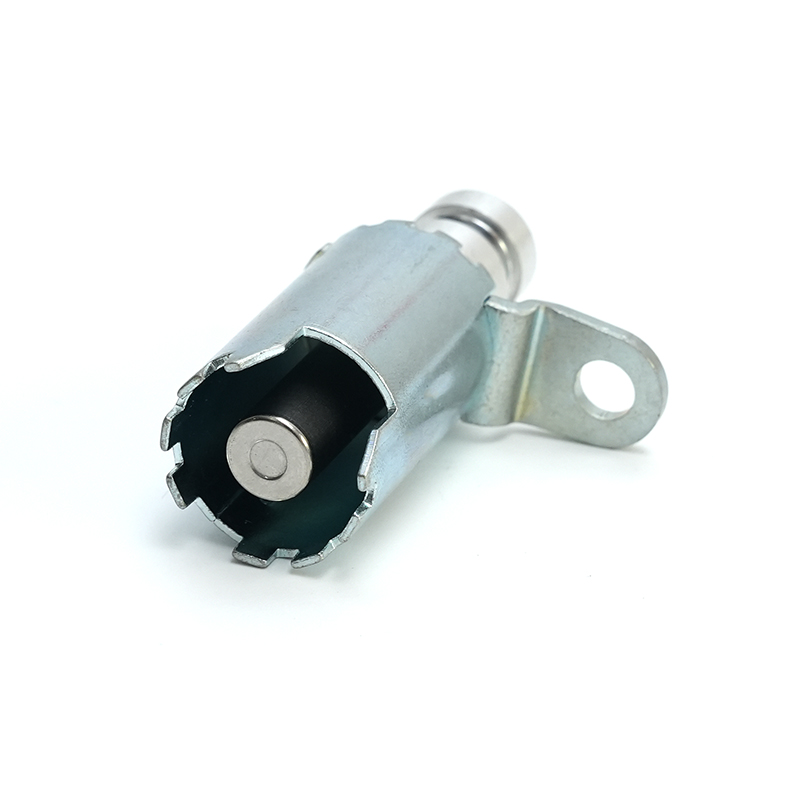
The Stamped Iron Valve Core Assembly is manufactured using stamping technology and made from high-quality iron material, precisely stamped into shape. This component is widely used in various fluid co...
See Details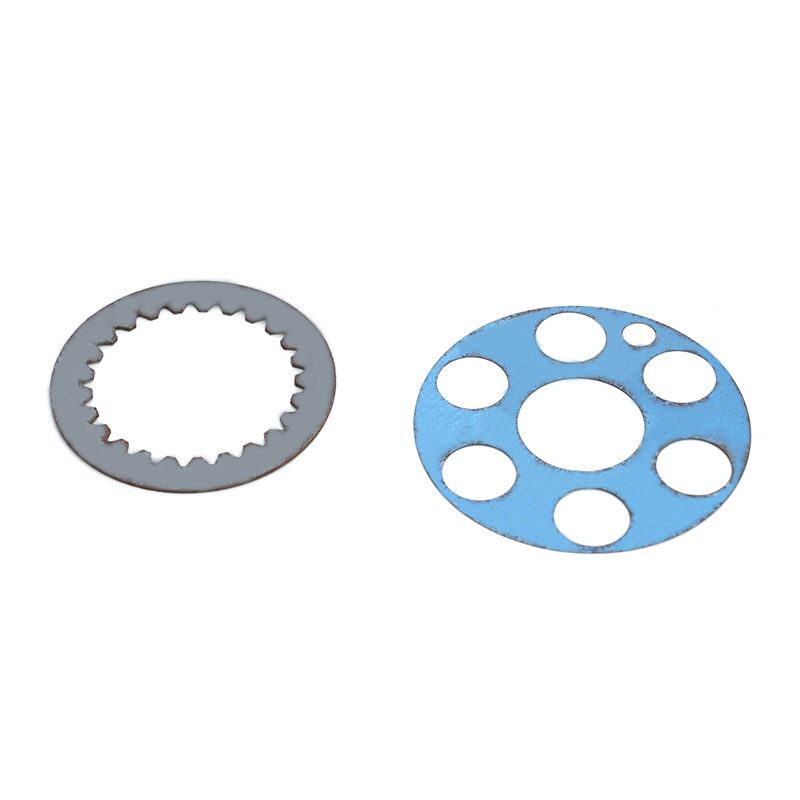
Our iron friction plate is a high-quality, durable component designed for use in a variety of mechanical systems requiring efficient energy transfer and heat resistance. Manufactured using premium-gra...
See Details
Our corrosion-resistant automotive steel bracket is engineered for durability and performance in demanding automotive applications. Crafted from high-quality, corrosion-resistant steel, this bracket o...
See Details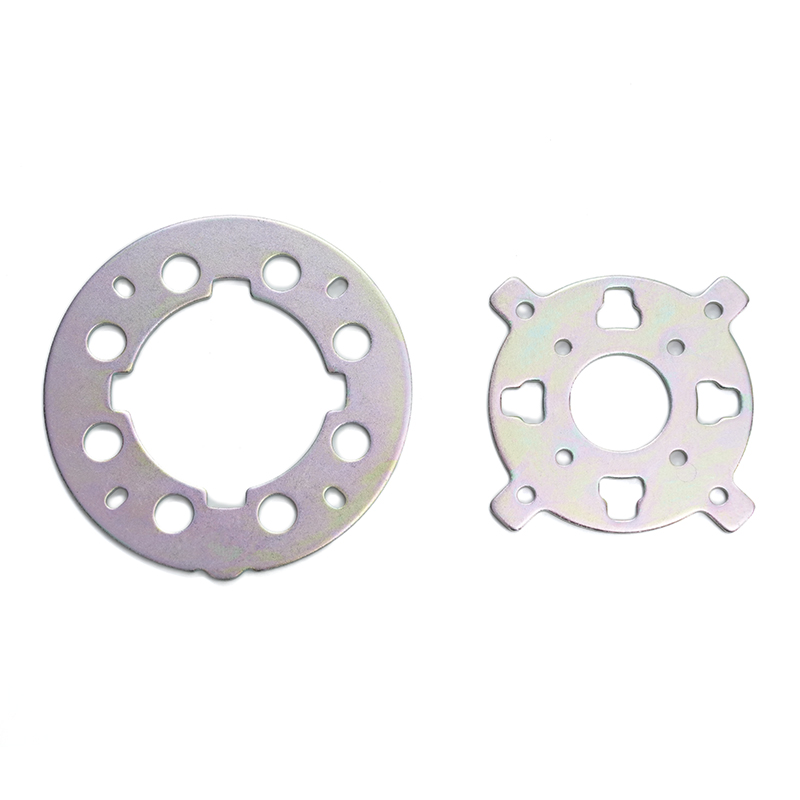
Our automotive steel flange is engineered for precision, durability, and exceptional performance in various automotive applications. Made from high-quality carbon steel, stainless steel, or alloy stee...
See Details
The Stamped Aluminum Fan Heat Plate for New Energy Charging Pile Plug is a key component manufactured from aluminum alloy using stamping technology, widely used in the plug section of new energy vehic...
See Details
Our Iron + Aluminum Silence Cover is a high-performance, durable solution designed to effectively reduce noise and vibration in a wide range of industrial and mechanical applications. Combining the st...
See Details
Our copper thin-walled bearing cage is an essential component designed for use in precision bearings, offering durability and efficient performance in various industrial applications. Constructed from...
See Details
Brass bearing dust caps are essential components designed to protect bearings and other mechanical parts from dirt, dust, moisture, and contaminants that can cause premature wear and damage. These dus...
See Details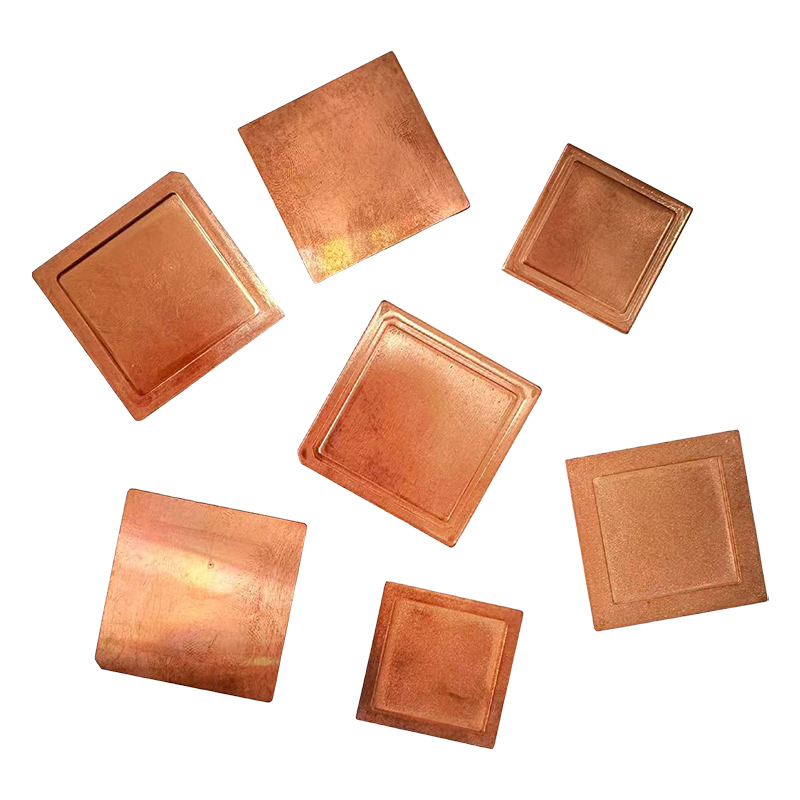
This CPU heat sink is engineered with high-purity copper as its core thermal conduction base, featuring a precision CNC-machined and mirror-polished contact surface that ensures gap-free contact with ...
See Detailscontact details
Address: No.6 Qiasheng North Road,Caoqiao Industrial Park,Xueyan Town,Wujin District,Changzhou City,Jiangsu Province
TEL: 86-15050692548
If You Are Interested In Our Products, Please Consult Us
 Ferrous & Non-Ferrous Metal Stampings Manufacturers