简体中文
简体中文
 English
 عربى
عربى
NEWS
Home / News / Industry News / Metal Stampings for Medical Devices: Materials, Tolerances, and Supplier Selection
Content
A surgical stapler contains dozens of stamped metal components: the blade carrier, the anvil, safety locks, and spring contacts. None of them are visible when the device is closed, yet each one must hold its dimension through sterilization, repeated actuation, and hundreds of firing cycles. That is what metal stampings for medical devices are truly about: not the headline component, but the quiet precision of the parts that make a device work.
Our conclusion, drawn from years of producing precision stampings for automotive, electronics, and medical machinery customers, is simple: medical stampings earn their place because they are repeatable, material-efficient, and traceable from coil to final inspection. The real work lives in the details: the material grade, the tooling design, the tolerance actually required, and the documentation behind every batch.
Stamped metal parts appear in nearly every class of medical equipment. Surgical staplers use stamped jaws, ratchets, and blade guides. Orthopedic instrument sets contain drill guides, depth stops, and trial components. Diagnostic analyzers depend on spring contacts, grounding clips, and shielding cans. Infusion pumps and patient monitors carry brackets, heat sinks, and enclosure details.
Stamping wins in these applications for three reasons. Volumes in medical device families often reach tens of thousands per year, which amortizes tooling cost efficiently. Progressive dies deliver excellent dimensional repeatability once qualified. And sheet metal preserves the fatigue life and corrosion properties of the base alloy, which matters for springs and exposed components.
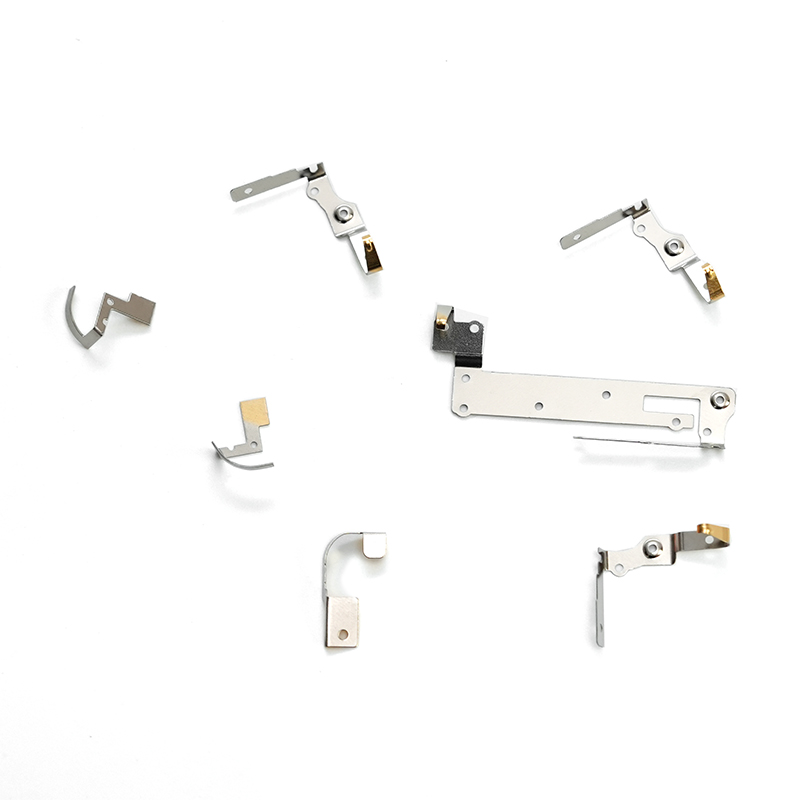 Stamped Stainless Steel Electronic Plug-In for Medical DiagnosticsThis precision-stamped stainless steel component is highlighted for its role in diagnostic analyzers, where it must sustain contact force over thousands of cycles. Its material and progressive die manufacturing ensure durability and repeatability.View Product →
Even small components play a measurable role. Inside a diagnostic analyzer, for example, a stamped stainless steel electronic plugin carries signal and ground paths and must keep its contact force through thousands of connection cycles. Parts like this look simple; their failure modes are not.
Start with the metal, because the metal determines most downstream behavior: corrosion resistance, hardness, conductivity, weldability, and finishing options. There is no universal best material for medical stampings; there is only the grade that matches the device environment, sterilization method, and service life.
Stainless steel dominates structural and surgical-instrument parts. Type 304 is the default for brackets, housings, and clips where corrosion resistance and cleanability matter. Type 316 adds molybdenum and resists chlorides better, so it appears in saline-exposed instruments and diagnostic consumables. Martensitic grades such as 410 and 420 are chosen when the part needs a hard, wear-resistant edge after heat treatment.
Electrical contacts follow a different logic. Phosphor bronze combines moderate conductivity with high fatigue strength and spring memory, which makes it a common choice for contacts that must survive millions of cycles. Coil quality matters: inclusions or porosity in a cheap coil turn into intermittent contact failures inside the assembled device. If you are sourcing stainless steel parts, a practical stainless steel stamping grade guide is worth reading before you finalize the specification.
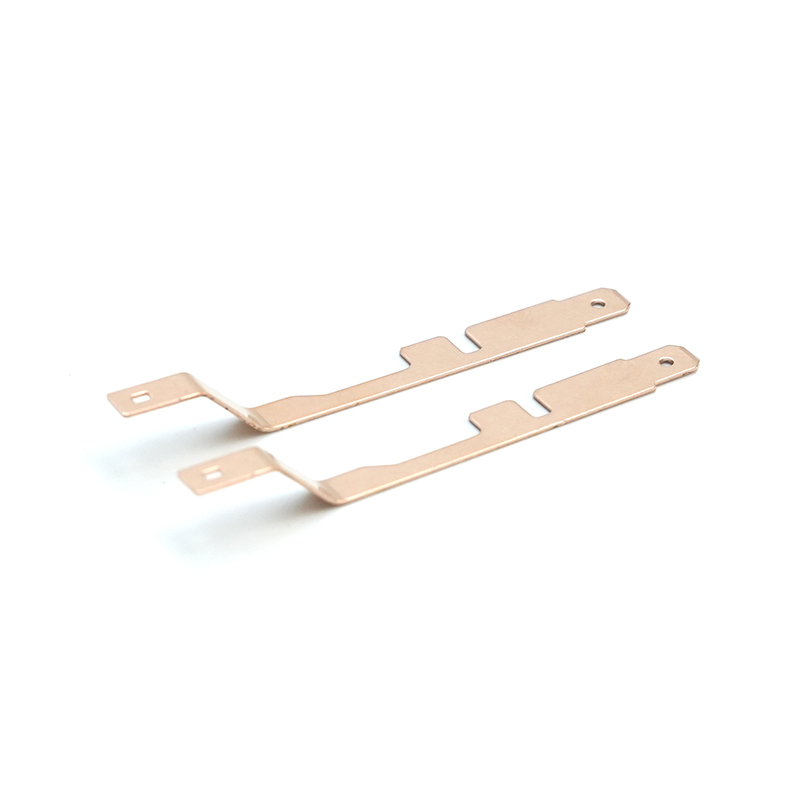 Phosphor Bronze Connector for High-Cycle Electrical ContactsIdeal for electrical contacts requiring fatigue strength and spring memory, this phosphor bronze connector suits applications with millions of cycles. Its conductivity and corrosion resistance support reliable performance in demanding environments.View Product →
Aluminum earns its place in portable and wearable equipment, where weight and thermal behavior outrank strength. Choosing pure aluminum versus a 5xxx-series alloy changes formability, anodizing quality, and yield strength, so the material conversation should happen before the tool is cut.
| Material | Typical Medical Use | Selection Reason |
|---|---|---|
| 304 stainless steel | Brackets, housings, clips | Corrosion resistance, cleanability |
| 316 stainless steel | Saline-exposed instruments | Superior chloride and pitting resistance |
| 410/420 stainless steel | Cutting edges, flat springs | Hardness after heat treatment |
| Phosphor bronze | Connectors, spring contacts | Conductivity plus fatigue strength |
| Aluminum 5xxx/6xxx | Portable housings, heat sinks | Light weight and thermal performance |
Surface finish is part of material selection too. Passivation restores the corrosion-resistant oxide layer on stainless steel after forming; electropolishing improves cleanability and removes micro-burrs; plating on copper alloys protects surfaces and controls contact resistance. Whatever the finish, the supplier should confirm it does not change critical dimensions.
Most medical device stampings hold tolerances around 0.05 mm on critical features, and some demanding geometries go to 0.02 mm on selected dimensions. Tighter is not automatically better: a drawing packed with unnecessary tolerances raises tooling cost, inspection time, and rejection rates without improving the device.
The professional approach separates critical features from non-critical ones. A hole pattern that locates a component against its housing is critical; a cosmetic edge radius is not. A good stamping partner asks why each tight tolerance exists before quoting, then designs the die progression around the few features that matter to function.
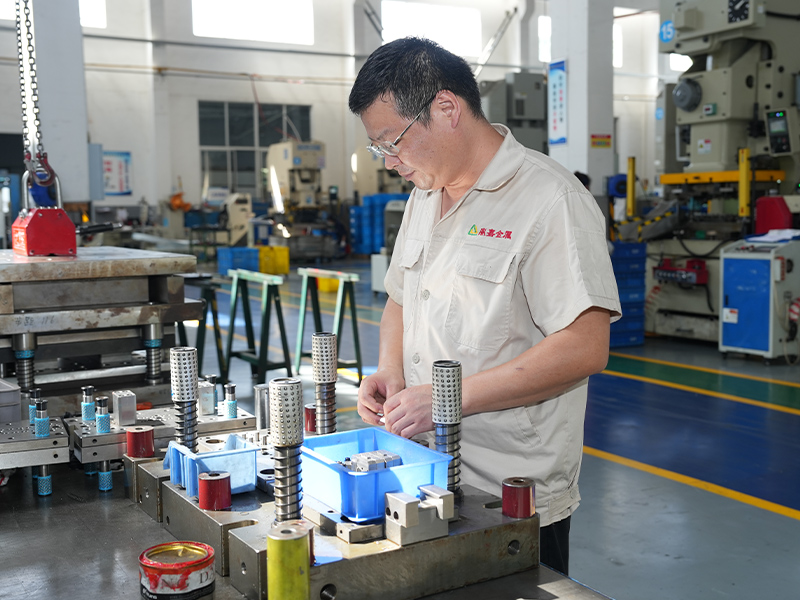
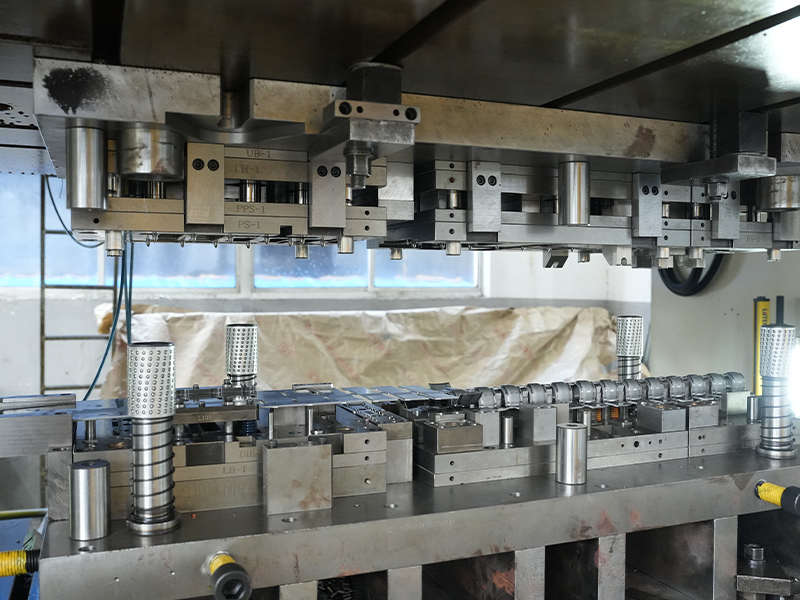
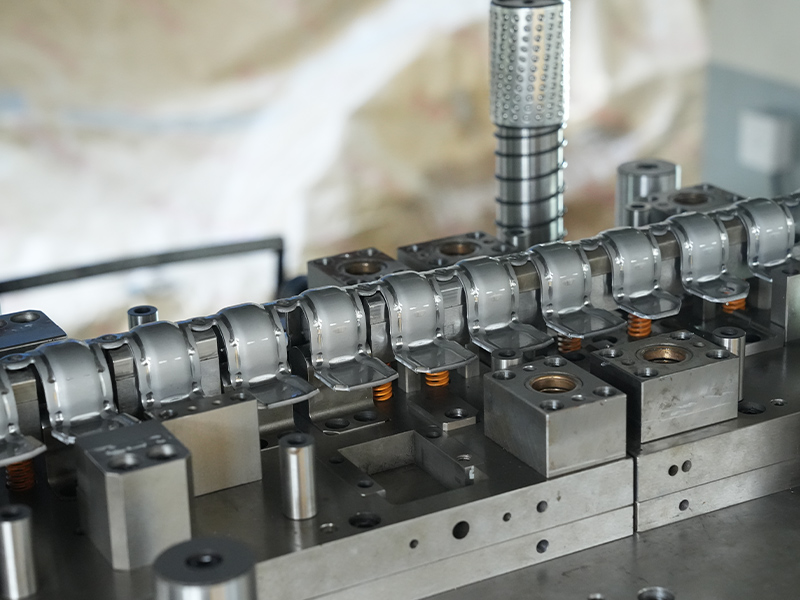
Tooling capability is the foundation of repeatability. A supplier that designs, builds, and maintains its own progressive dies can correct drift during the sample run instead of waiting weeks for outside tooling. Our production model at Changzhou Dingjia Metal Technology combines mold design, sample development, and stamping under one roof precisely because that combination shortens the loop between first article and full production.
Press selection matters too. We run 24 presses with up to 500 tons of capacity, which lets us match press size to part geometry. Tonnage alone is not a quality indicator; the match between press stiffness, die design, and material thickness determines whether the part repeats within tolerance across a long run.
Process control completes the equation. Medical customers should expect first-article inspection records, in-process dimension checks, and lot-level traceability for each die and material coil. If the supplier cannot show measurement data, the tool is running blind.
Do not choose a medical stamping supplier on price alone. The lowest quote becomes expensive the first time a batch drifts out of tolerance, a material certificate is missing, or a surface defect reaches final assembly. Qualification should be a checklist, not a feeling.
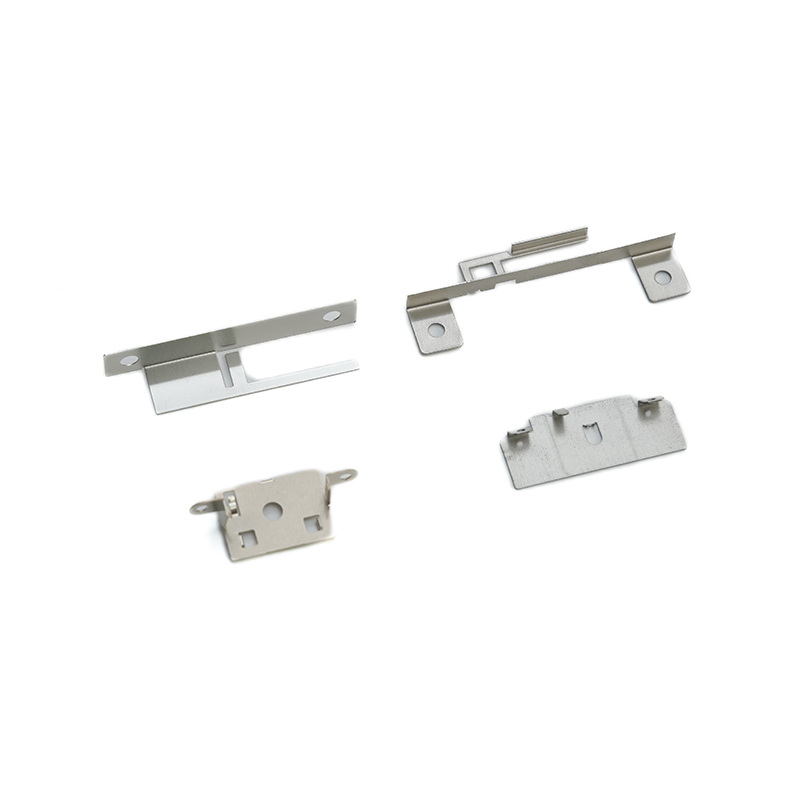 High Pressure Resistant Stainless Steel Bracket for Structural UseAs a structural part, this bracket demonstrates a supplier's control over material grade, thickness, and hole-position accuracy. Its reinforced design and corrosion resistance make it suitable for high-pressure industrial installations.View Product →
Structural parts are a good test case. A high-pressure-resistant stainless steel bracket combines material grade, thickness, formability, and hole-position accuracy in one part; if the supplier controls all of those, the same discipline generally applies across its portfolio.
Work through this checklist before approving any medical stamping vendor:
Finally, run a first-article qualification on production tooling, not on a prototype shortcut. The dimensional report shows whether the part meets the drawing; the qualification run shows whether the supplier repeats it.
Stamping is economical when volumes amortize tooling, and expensive when the geometry is still changing. Once a device design is frozen and annual demand passes roughly ten thousand pieces, a progressive die is usually cheaper per unit than CNC machining or laser cutting. Below that, machining or a simple die may be leaner.
Tooling cost is not the main risk; the risk is what happens after approval. Material substitution is the classic failure: a coil similar in name but different in temper, coating, or actual chemistry changes corrosion resistance, spring force, and sterilization behavior. For medical parts, every material change needs documentation and customer approval, and the supplier must have records proving what was loaded on the press.
Lead time is another underestimated factor. Progressive die construction commonly takes three to six weeks depending on part complexity, and sample approval adds more. A supplier with an in-house die shop can compress both, and a responsible partner gives an honest timeline rather than an unrealistic promise.
Delivery reliability should be weighed equally with unit price. In the medical industry, a late component can stop an assembly line or delay a regulatory submission.
Start with the drawing, not with the price. The fastest way to learn whether a stamping supplier can support your project is to share a drawing or an existing sample and ask for a design-for-manufacturing review before a formal quote.
If this matches the kind of discussion you want to have, share your drawing with our engineering team. We work in English, Chinese, and Arabic, and we are used to guiding medical, automotive, and electronics customers from a rough idea to qualified production parts.
Your email address will not be published. Required fields are marked *
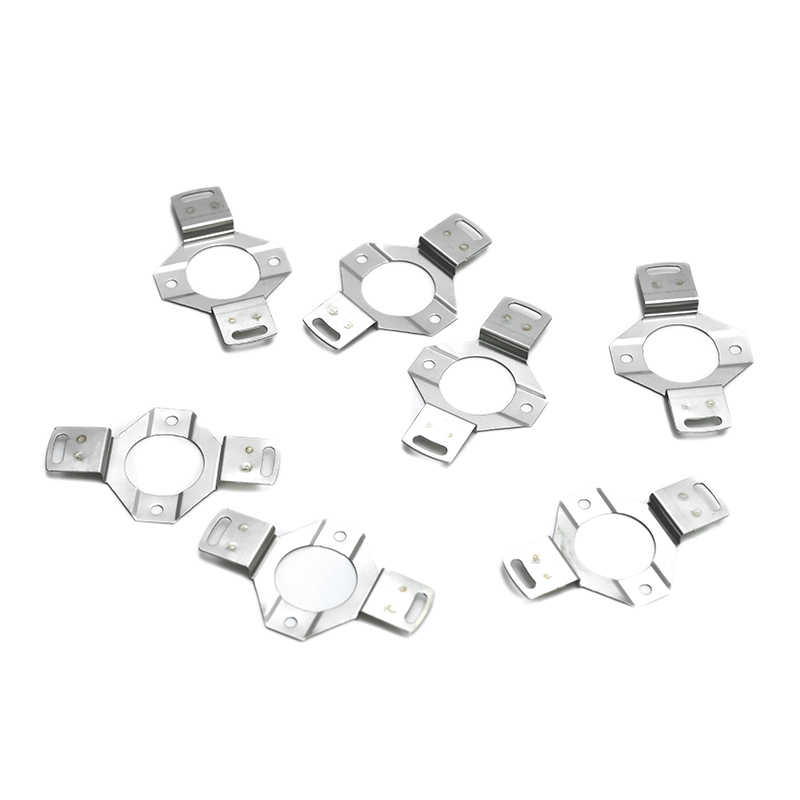
Our wear-resistant stainless steel bracket is engineered for high-performance applications where durability and strength are paramount. Made from premium stainless steel, this bracket is designed to w...
See Details
Our high pressure resistant stainless steel bracket is a robust, durable, and reliable solution for securing equipment in demanding environments where pressure and structural integrity are critical. M...
See Details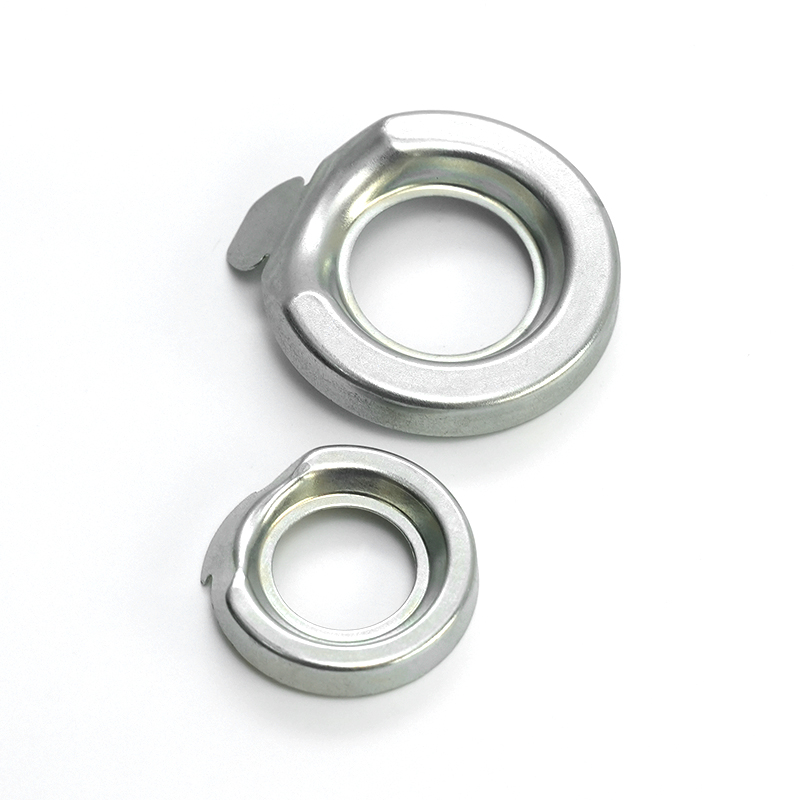
The Stamped Iron Oil Baffle is a critical component in engine and transmission systems, designed to manage and control the flow of oil within mechanical assemblies. Produced using precision metal stam...
See Details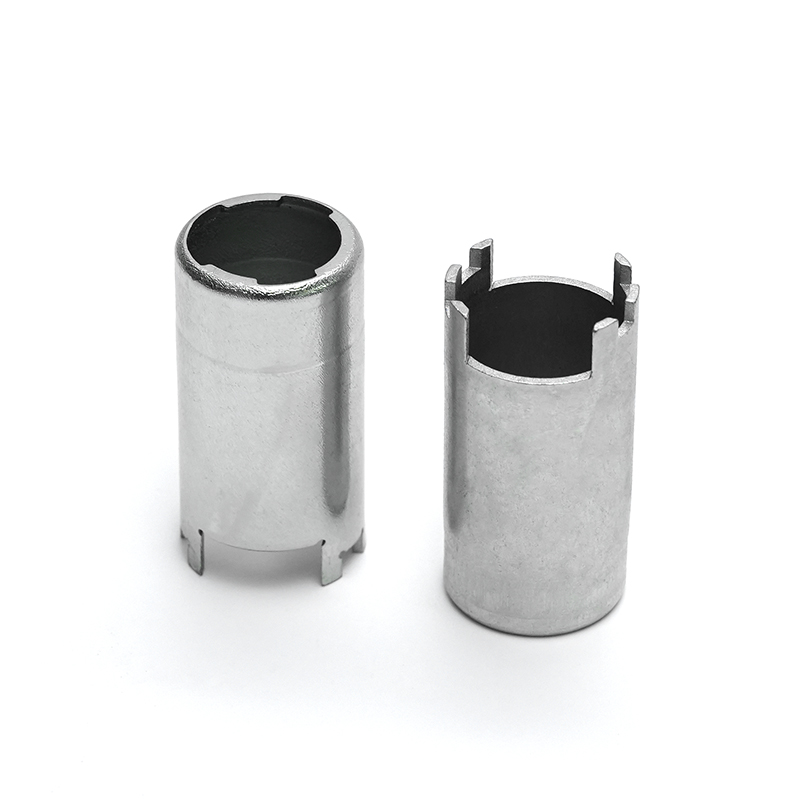
The Stamped Iron Solenoid Valve Housing is a precision-engineered component designed to encase and protect solenoid valve systems. Manufactured using advanced metal stamping processes such as deep dra...
See Details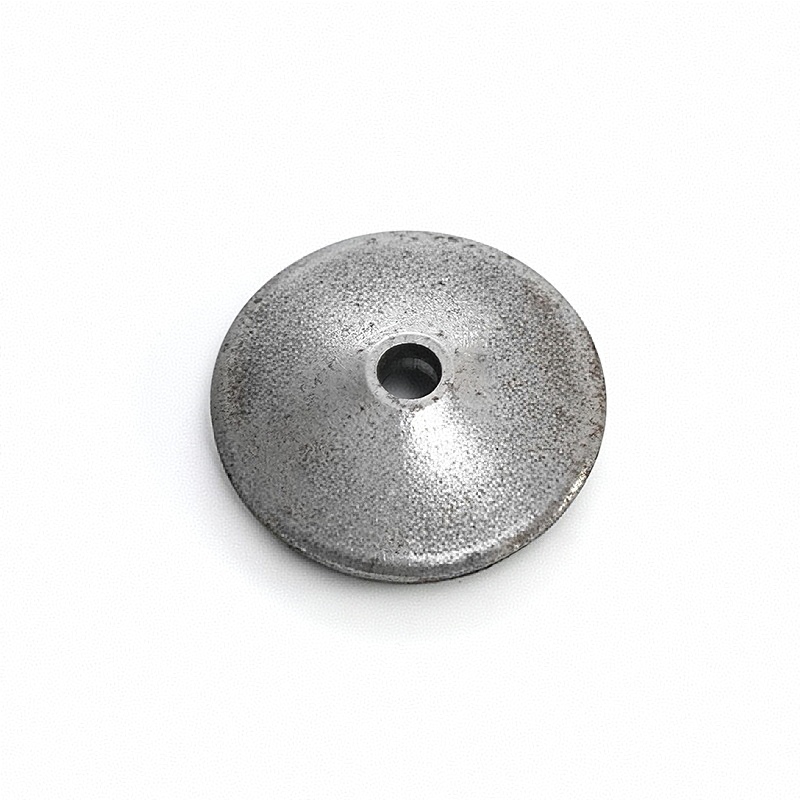
Our iron gasket is a high-performance sealing solution designed to provide durable and reliable performance in a wide range of industrial applications. Manufactured from high-quality iron materials, t...
See Details
Our corrosion-resistant automotive steel bracket is engineered for durability and performance in demanding automotive applications. Crafted from high-quality, corrosion-resistant steel, this bracket o...
See Details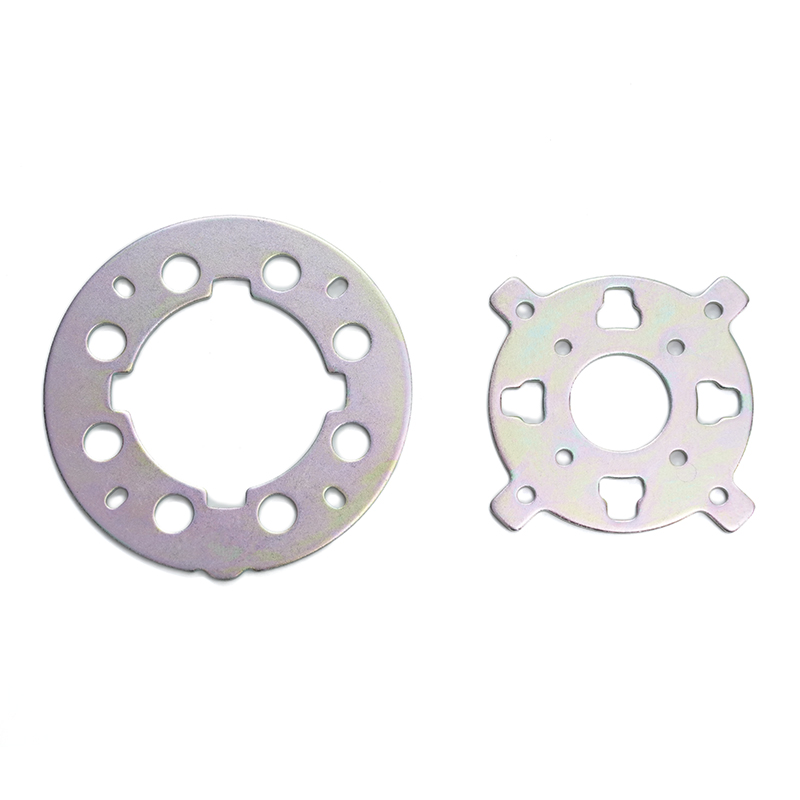
Our automotive steel flange is engineered for precision, durability, and exceptional performance in various automotive applications. Made from high-quality carbon steel, stainless steel, or alloy stee...
See Details
Our copper thin-walled bearing cage is an essential component designed for use in precision bearings, offering durability and efficient performance in various industrial applications. Constructed from...
See Details
Phosphor bronze connectors are precision-engineered electrical components made from a copper alloy that combines copper, tin, and phosphorus. This specialized material offers a unique blend of electri...
See Details
The copper silver plated water pump solenoid valve pin is a high-performance, precision-engineered component designed for functionality in water pump solenoid valves. Manufactured using a combination ...
See Details
The Stamped Copper Silver-Plated New Energy Charging Pile Plug is a high-performance connector specially designed for new energy electric vehicle charging stations. Made from high-quality copper mater...
See Details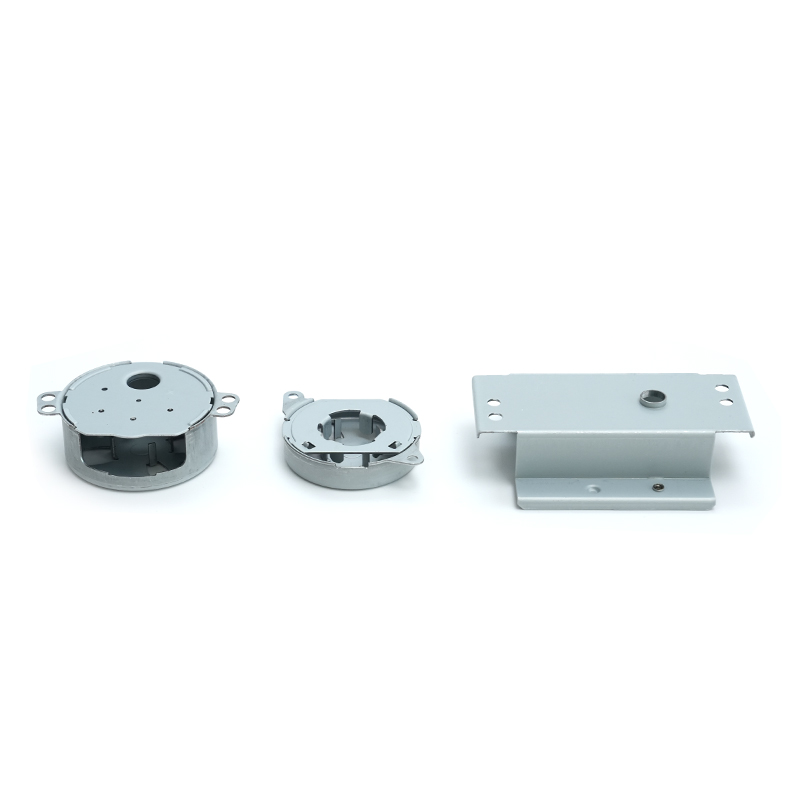
Our galvanized sheet motor housing offers robust protection and longevity for a wide range of electric motors used in various industries. Crafted from high-quality galvanized steel, this motor housing...
See Detailscontact details
Address: No.6 Qiasheng North Road,Caoqiao Industrial Park,Xueyan Town,Wujin District,Changzhou City,Jiangsu Province
TEL: 86-15050692548
If You Are Interested In Our Products, Please Consult Us
 Ferrous & Non-Ferrous Metal Stampings Manufacturers