简体中文
简体中文
 English
 عربى
عربى
NEWS
Home / News / Industry News / Stainless Steel Stamping Parts: A Buyer's Guide to Grades, Tolerances & Applications
Content
A maintenance supervisor at a water treatment plant watches rust streaks creep down a valve block. The stamped carbon steel brackets holding the solenoid valves have corroded after two rainy seasons. Switching to stainless steel stamping parts ends the recurring failures, but it opens a new set of decisions: which grade, what tolerances, and which supplier can deliver reliably at volume.
That scenario repeats across every sector that deals with moisture, heat, chemicals, or vibration. Stainless steel stamping parts provide the corrosion resistance, strength retention, and durability that carbon steel cannot match, at a unit price that progressive tooling keeps practical. The catch is that stainless steel forms differently: it work-hardens faster, springs back more, and can be contaminated by ordinary tooling. This guide covers the grades, process constraints, and sourcing criteria that design engineers and purchasing teams should resolve before committing to a tooling program.
Stainless costs more per kilogram than carbon steel, and its working characteristics demand more from tooling and presses. Buyers still choose it because the lifecycle cost, not the material price, decides the real value.
In an exhaust system, a coated carbon steel heat shield may last five years, while a stainless version survives the life of the vehicle. In a water valve, a stainless star-lock washer does not dezincify or rust, so the joint keeps its specified torque. In an electronic connector, a stainless contact spring holds its elasticity through millions of actuations. When a failure means warranty claims, disassembly labor, or safety risk, the material premium becomes the cheapest insurance available.
Stamping is also efficient with this expensive material. Progressive dies convert flat coil stock into finished parts with minimal scrap, combining blanking, bending, and forming in one stroke. Parts that would otherwise be machined or cast can often be stamped at half the cost, with better dimensional consistency and no loss of corrosion resistance.
Five grades cover the great majority of stamped stainless applications: 301, 304, 316, 410, and 430. They belong to three metallurgical families, and each balances formability, corrosion resistance, strength, and cost differently.
| Grade | Family | Key properties | Typical stamped parts |
|---|---|---|---|
| 301 | Austenitic | Work-hardens rapidly; high strength after forming | Contact springs, clips, brackets |
| 304 | Austenitic | Excellent formability and corrosion resistance | Brackets, covers, heat shields, housings |
| 316 | Austenitic | Added molybdenum; superior pitting resistance | Marine components, medical device parts, connectors |
| 410 | Martensitic | Hardenable; good wear resistance | Valve seats, pins, wear plates |
| 430 | Ferritic | Good corrosion resistance; economical; magnetic | Trim, fasteners, appliance parts |
Selection begins with the service environment. Coastal air, road salt, and chlorinated water push buyers from 304 to 316. Fatigue and tensile loads favor 301, whose strain-hardening rate increases strength exactly where the material is formed. Wear resistance may justify 410, normally stamped in the annealed condition and hardened after forming. Magnetic requirements can rule out austenitic grades altogether.
Cost and availability follow. 304 is the standard workhorse, stocked in the broadest range of gauges. 430 is less expensive but less formable, and its surface can dull in tight bends. 316 carries a significant premium and is worth it only where pitting resistance is genuinely needed. Our 304, 316, and 410 stainless steel stamping parts grade selection guide details the trade-offs with real-world examples.
Moving from carbon steel to stainless changes tooling design, press settings, lubrication, and handling. Buyers rarely see these details, but they show up in part quality and delivery consistency.
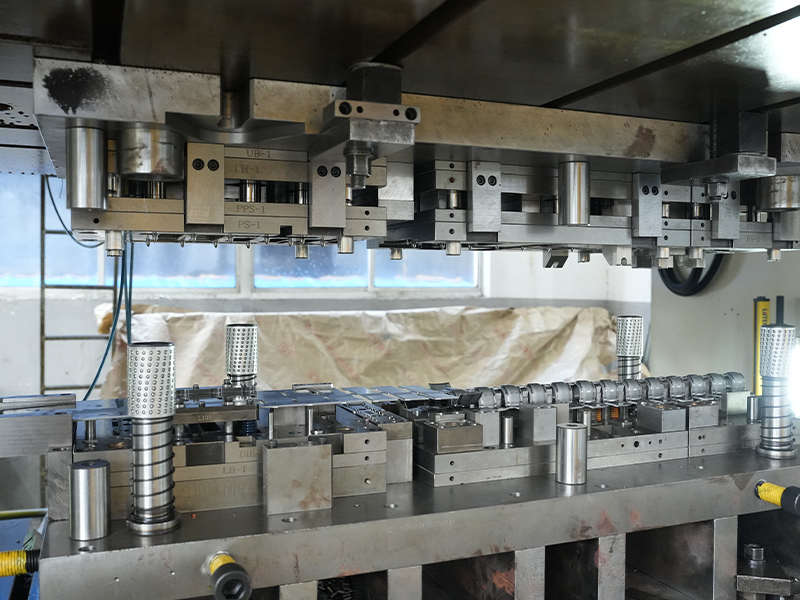
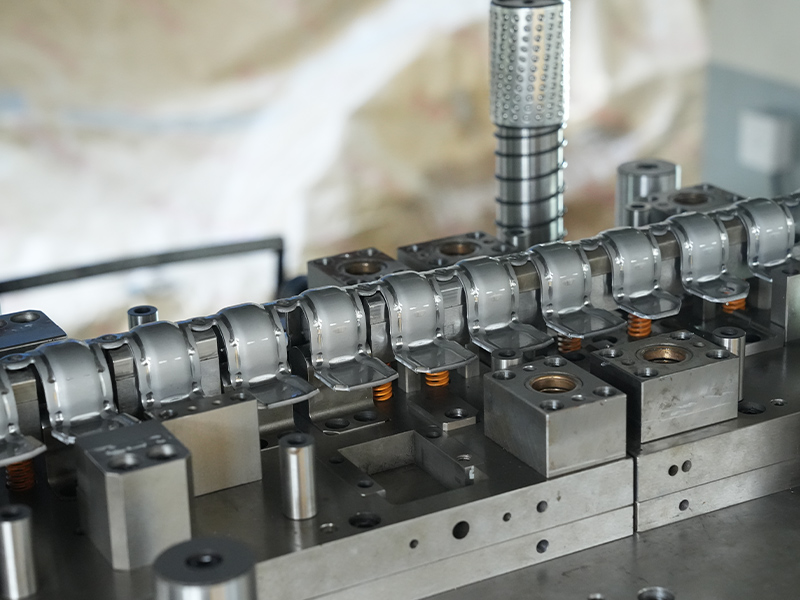
Austenitic stainless springs back more than mild steel. A bend that opens 2 degrees in carbon steel can open 4 to 6 degrees in 304. Die designers compensate with overbending, coining, or bottoming operations, and they specify tool steels or carbide inserts that tolerate the abrasive nature of the material. The upfront tooling cost is higher, but a correctly designed die holds geometry across long production runs.
Commercial stamping tolerances for stainless parts typically fall near ±0.10 mm on formed features and ±0.05 mm on blanked dimensions, depending on material thickness and part envelope. Precision dies and guided presses can tighten these numbers. At the same time, good design practice relaxes tolerances that are tighter than the assembly needs. An experienced partner will tell you when a feature does not need a precision callout, which keeps both tooling cost and inspection burden under control.
Stainless steel is corrosion-resistant in principle but easily contaminated in practice. Iron particles embedded by carbon steel dies, abrasive die wear, and careless handling between press and packaging can create rust stains that appear after delivery. Suppliers that run stainless on dedicated lines, use stainless or coated tooling, and protect surfaces with film or interleaving visibly outperform mixed-material shops.
Most stainless stampings serve in the as-stamped condition. Martensitic grades such as 410, and some precipitation-hardening alloys, are stamped soft and then hardened to reach specified hardness. The extra step adds cost and lead time, but it enables parts that function as valve seats and wear surfaces. The decision must happen before tooling, because a hardened part will not behave the same way in the die.
The same set of material properties, corrosion resistance, heat resistance, and retained strength, shows up in very different components across industries.
Underhood components face heat, road salt, and vibration. Stainless heat shields route exhaust heat away from wiring and brake lines. Sealing gaskets hold hot exhaust gas inside turbocharger joints, where carbon steel would scale and leak. A high-temperature-resistant stainless steel car gasket, for instance, must hold its flatness and sealing force through thousands of thermal cycles from cold start to full load. Brackets for sensors and actuators also benefit, since rust on a bracket is not cosmetic; it is a failure point and a warranty risk. The broader role of stainless steel stamping parts in vehicle manufacturing explains why they are specified for durability-critical systems.
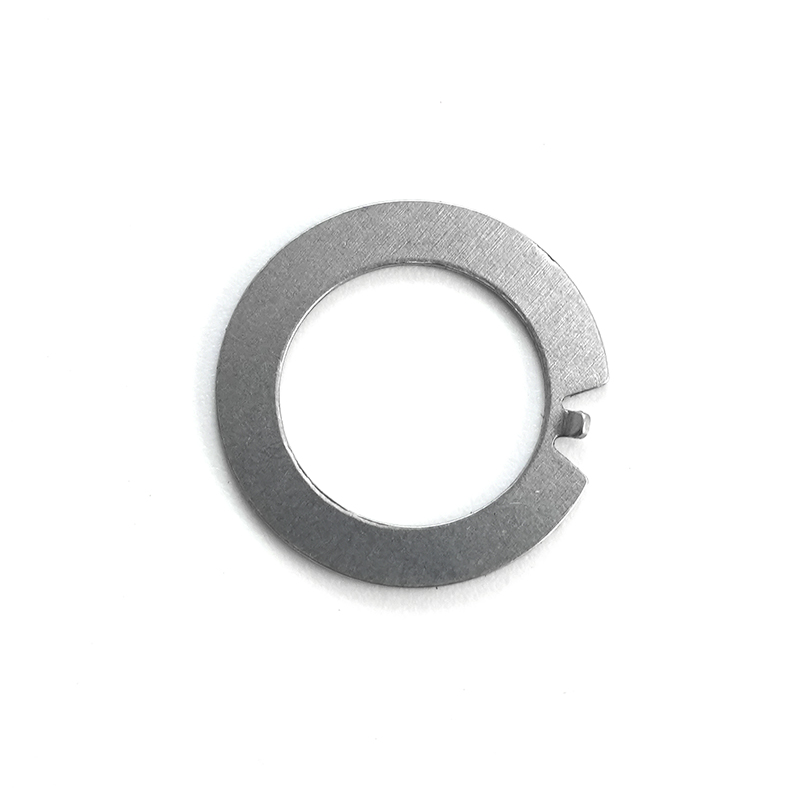 Custom High Temperature Resistant Stainless Steel Car Gasket Suppliers, CompanyChangzhou Dingjia Metal Technology Co., Ltd. is China Custom High Temperature Resistant Stainless Steel Car Gasket Suppliers and High Tem...View Product →
Small stainless parts solve outsized reliability problems in electronics. A stamped stainless steel metal shrapnel contact spring, for example, maintains its pressing force inside connectors, switches, and shielding cans for millions of cycles. Austenitic grades are preferred here because their elasticity survives repeated deflection. Electronic plugs and terminals use thin stainless where mechanical strength and corrosion resistance matter; copper alloys take over when high electrical conductivity is the priority.
 Custom Stainless Steel Stamping Metal Shrapnel Suppliers, CompanyChangzhou Dingjia Metal Technology Co., Ltd. is China Custom Stainless Steel Stamping Metal Shrapnel Suppliers and Stainless Steel Stampi...View Product →
Water valves and industrial machinery operate where carbon steel corrodes quickly. Stainless star-lock washers keep fasteners at correct torque despite moisture and chemicals. Stainless shims and wear washers maintain critical clearances in pumps, gearboxes, and high-pressure assemblies, where a corroded spacer would disturb preload and accelerate bearing wear. A wear-resistant stainless steel shim is often the difference between annual rebuilds and maintenance-free intervals measured in years.
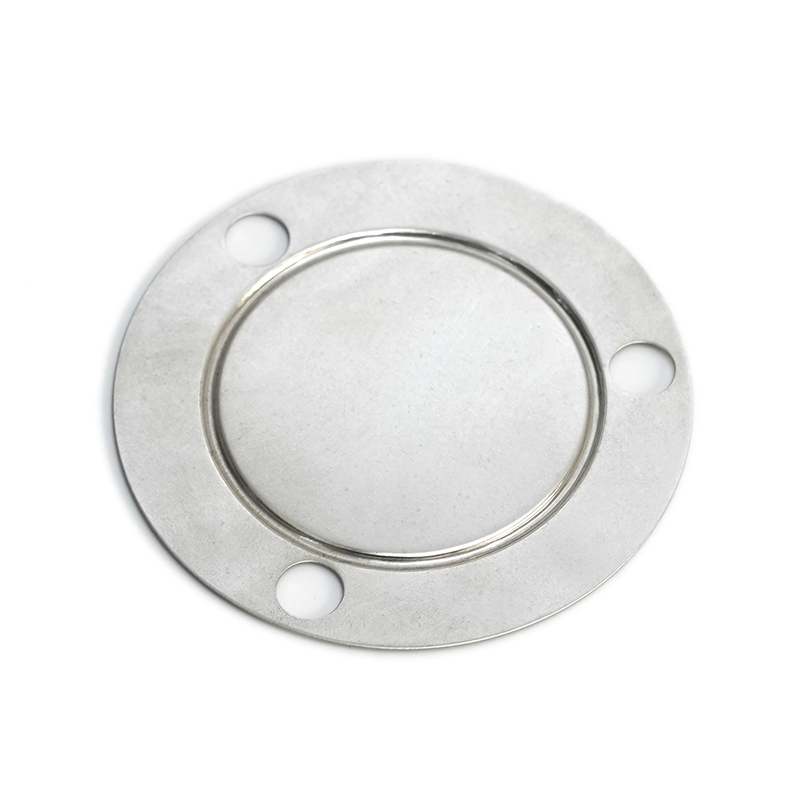 Custom Wear-Resistant And High-Pressure Stainless Steel Shim Suppliers, CompanyChangzhou Dingjia Metal Technology Co., Ltd. is China Custom Wear-Resistant And High-Pressure Stainless Steel Shim Suppliers and Wear-Res...View Product →
Purchasing teams naturally compare quotes and lead times. For stainless stampings, three capabilities deserve equal weight.
First, in-house tooling and die design. A supplier that designs, builds, and maintains its own dies reacts quickly to design iterations and controls quality at the source. In-house tooling also shortens sample development, because trials do not wait on an external mold shop.
Second, process discipline. Stainless stamping demands control over press speed, lubrication, and material separation. That discipline appears in consistent dimensions and clean surfaces. Request documented quality procedures, inspection reports, and material traceability from coil lot to finished part.
Third, engineering communication. The best partners will question a tolerance that is tighter than necessary, suggest a grade that meets the requirement at lower cost, or modify a design to remove a secondary operation. This collaboration does not complicate a project; it shortens it. Before awarding a contract, ask how the supplier has solved springback, thin-gauge, and surface-contamination problems in previous stainless jobs.
Stainless steel stamping parts are a proven answer for components that face corrosion, heat, and demanding duty cycles. The material decision comes down to grade and environment, and the manufacturing decision comes down to tooling and process discipline. When both are handled correctly, the result is a component that outlives the equipment it is built into, and a supply chain that does not generate surprise failures.
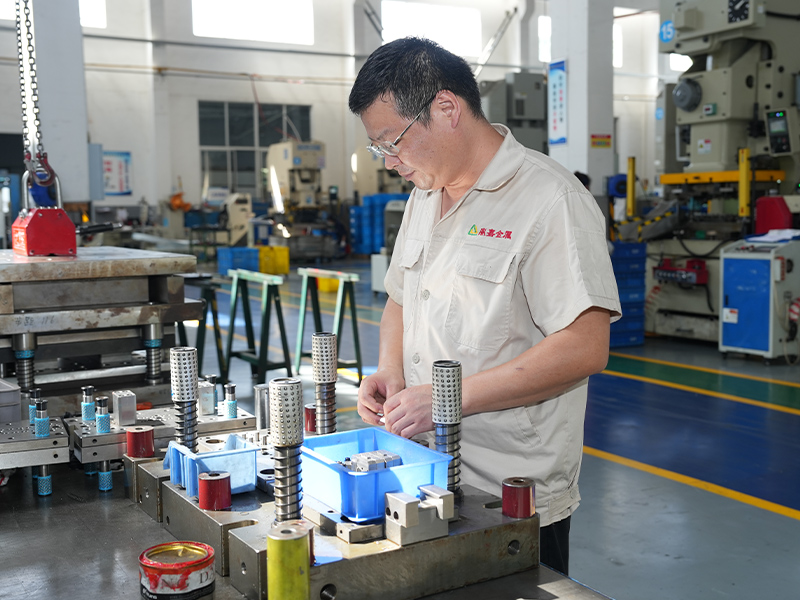
As a factory with in-house mold design and 24 presses reaching 500 tons, we design and run stainless steel dies under the same roof. If you have a drawing that needs stamping, or a machined part that could be converted to stamping, send it to our engineering team and let us propose a tolerance, grade, and tooling plan before you commit to a quote.
Copper Stamping Parts Guide – Materials, Process & Sourcing
2026-07-31A Practical Guide to Iron Stamping Parts: Materials, Process, and Supplier Selection
2026-08-14Your email address will not be published. Required fields are marked *

Our high temperature-resistant stainless steel car gasket is engineered for performance in automotive applications that require durability under heat and pressure conditions. Manufactured from premium...
See Details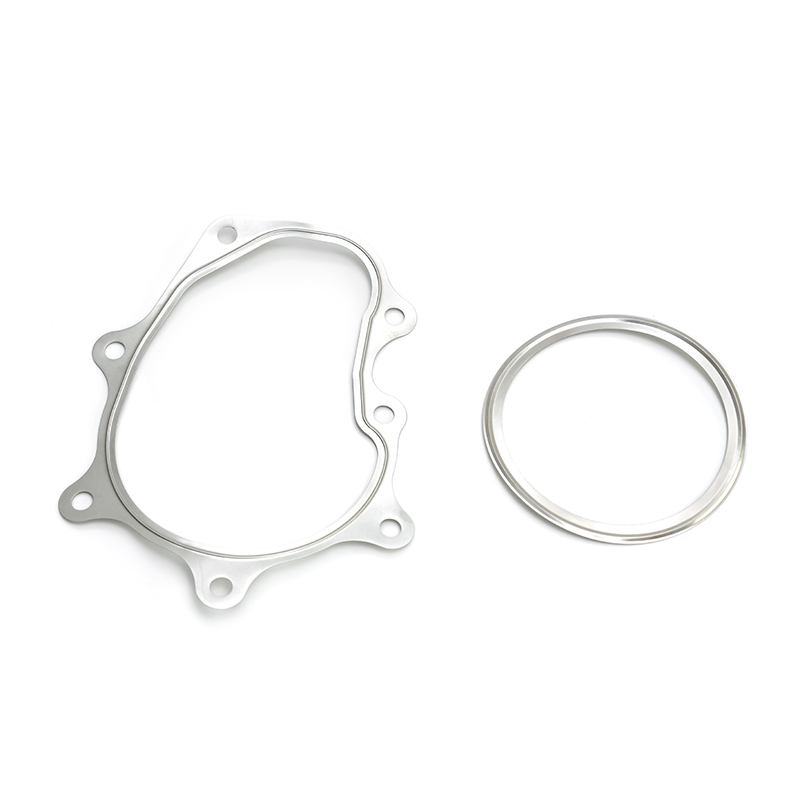
Our Stainless Steel Turbo Sealing Gasket is engineered for high-performance applications in turbocharged engines, providing a robust, reliable seal to prevent leakage of exhaust gases and boost pressu...
See Details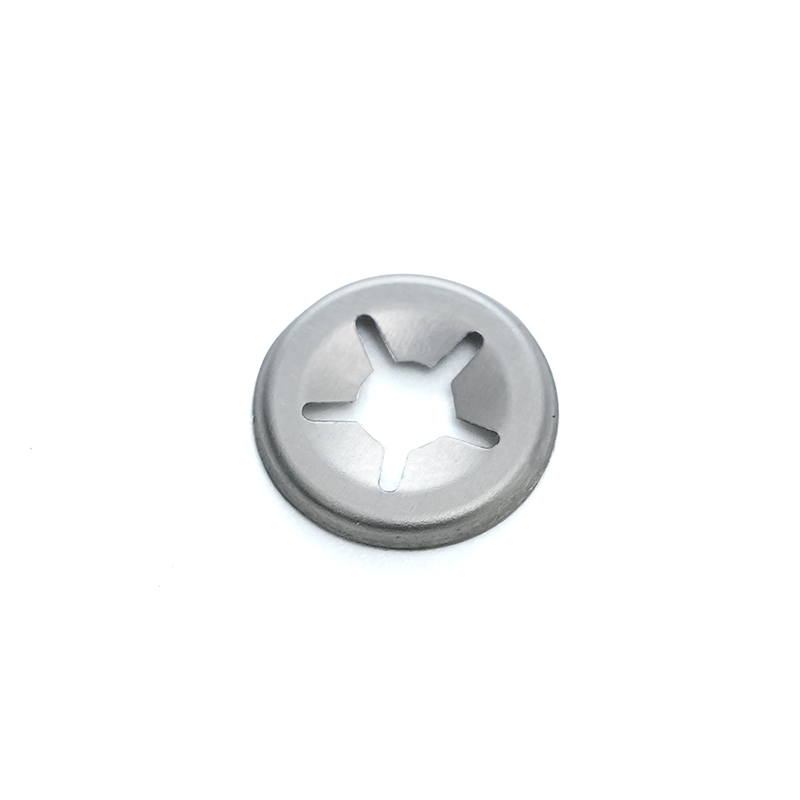
The Stainless Steel Starlock Washer Fasteners are specialized retaining components designed to securely hold parts in place within water valve assemblies. Manufactured from high-quality stainless stee...
See Details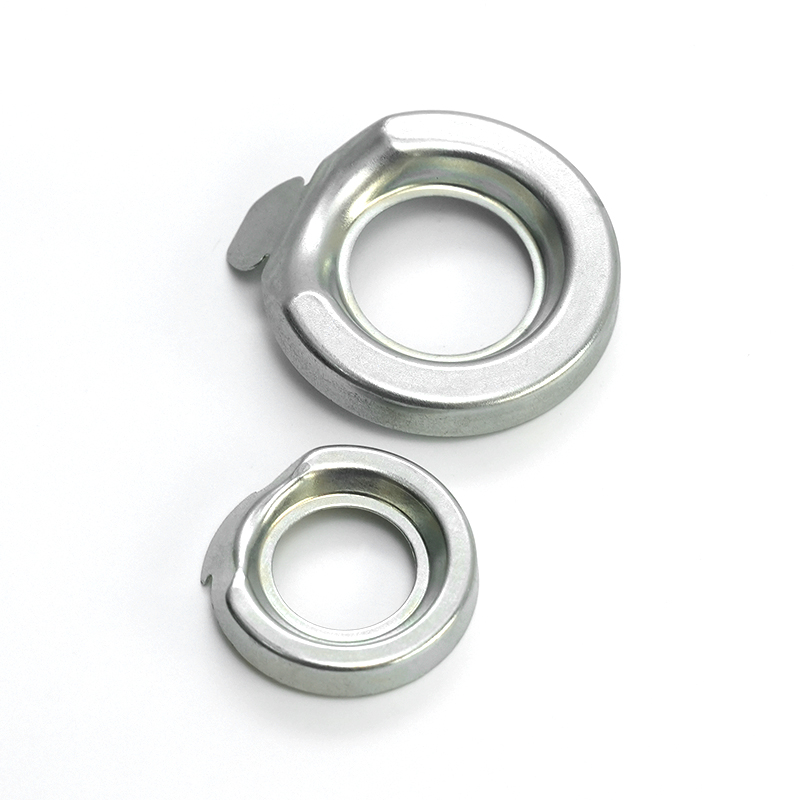
The Stamped Iron Oil Baffle is a critical component in engine and transmission systems, designed to manage and control the flow of oil within mechanical assemblies. Produced using precision metal stam...
See Details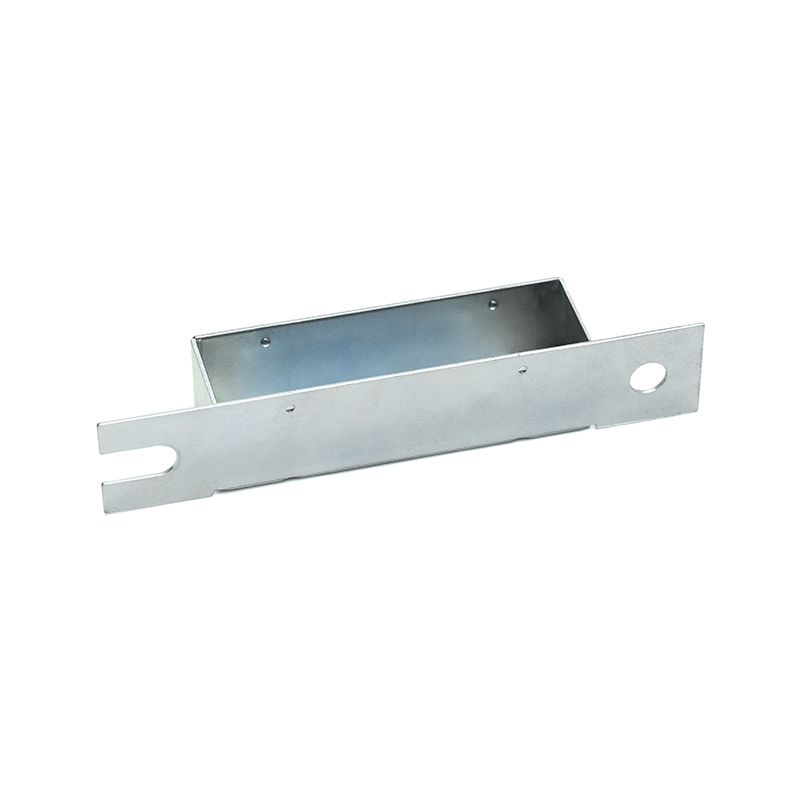
The Iron Capacitor Sealing Housing is a precision stamped metal component designed to encase and protect capacitors, ensuring their long-term performance and reliability. Manufactured using advanced s...
See Details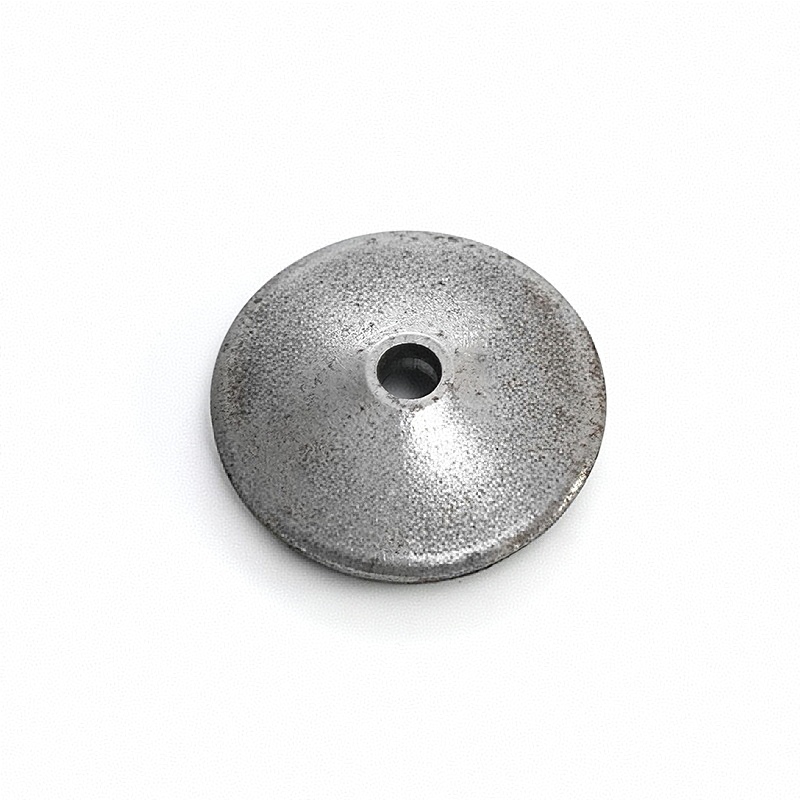
Our iron gasket is a high-performance sealing solution designed to provide durable and reliable performance in a wide range of industrial applications. Manufactured from high-quality iron materials, t...
See Details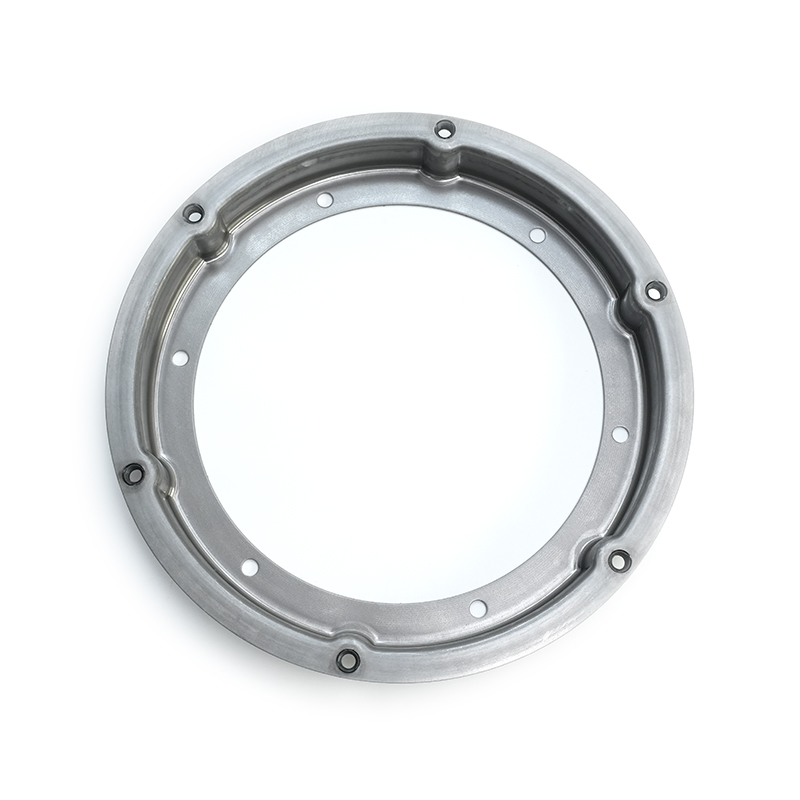
The Iron Engine Torque Converter Component Stamping Parts are precision-engineered components specifically designed for torque converters in automotive powertrain systems. Manufactured using high-stre...
See Details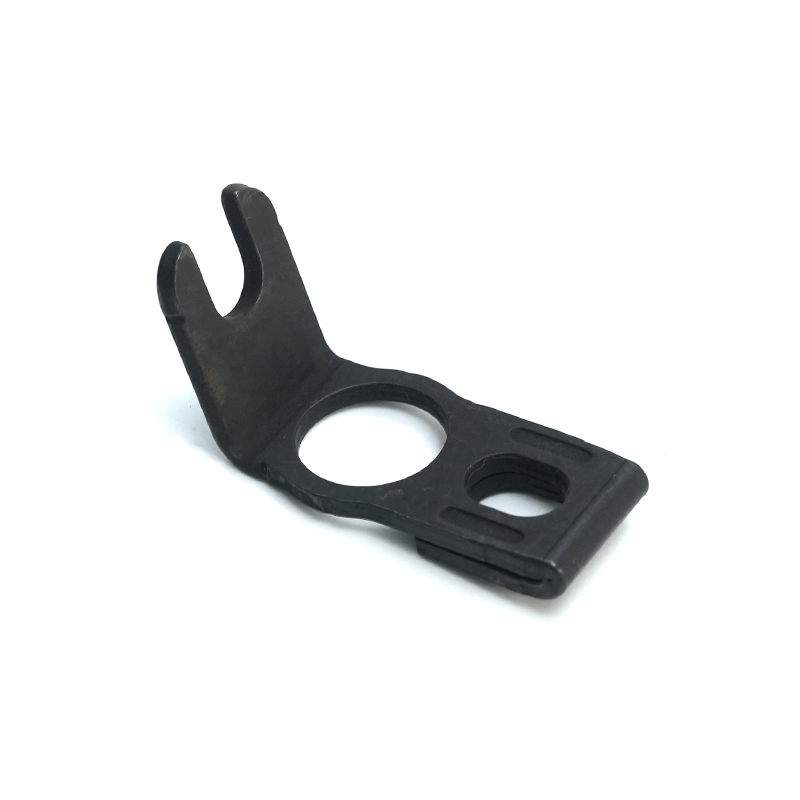
The iron gear engagement bracket is a robust, precision-engineered component designed to ensure the secure and efficient engagement of gears in various mechanical systems. Constructed from high-qualit...
See Details
Brass bearing dust caps are essential components designed to protect bearings and other mechanical parts from dirt, dust, moisture, and contaminants that can cause premature wear and damage. These dus...
See Details
The copper tinned solenoid valve pin needle assembly is a precision-engineered component designed to enhance the performance and reliability of solenoid valves used in various industrial applications....
See Details
The Stamped Copper Silver-Plated New Energy Charging Pile Plug is a high-performance connector specially designed for new energy electric vehicle charging stations. Made from high-quality copper mater...
See Details
The pure zinc plate shock absorber is a high-performance, durable solution designed to enhance the functionality and longevity of various machinery and equipment. Constructed from pure zinc material, ...
See Detailscontact details
Address: No.6 Qiasheng North Road,Caoqiao Industrial Park,Xueyan Town,Wujin District,Changzhou City,Jiangsu Province
TEL: 86-15050692548
If You Are Interested In Our Products, Please Consult Us
 Ferrous & Non-Ferrous Metal Stampings Manufacturers