简体中文
简体中文
 English
 عربى
عربى
NEWS
Home / News / Industry News / A Practical Guide to Iron Stamping Parts: Materials, Process, and Supplier Selection
Content
When a stamped iron bracket arrives at a production line, the first thing an experienced inspector checks is not the printed dimension. It is the edge quality, the flatness across the surface, and whether the bend is true. All three tell you whether the supplier understood the part as an assembly component, not just a flat shape. In our stamping shop, we have seen many drawings that look simple but require material knowledge and die experience to make correctly.
The performance of an iron stamping part depends on material grade, die design, and process control. That combination decides whether the part survives vibration, pressure, and temperature in the application. If your supplier gets only one of those factors right, the part will fail in a way that is difficult to detect until it is already installed.
An iron stamping part is a component produced by feeding flat coil or sheet metal into a stamping press, where a die set cuts, bends, or forms the material. In industrial conversations, the category usually covers low-carbon steel, carbon steel, spring steel, and sometimes stainless steel. The process produces simple washers, mounting brackets, gaskets, and mechanical housings, as well as complex shapes with tight dimensional requirements.
What separates iron stamping from general sheet metal fabrication is repeatability. Once the die is proven, every stroke produces the same cross-section with minimal variation. That consistency is why automotive, electronics, and medical equipment makers use stamped parts for large production volumes. For a broader explanation of the process and its benefits, see our overview of iron stamping parts uses and manufacturing process.
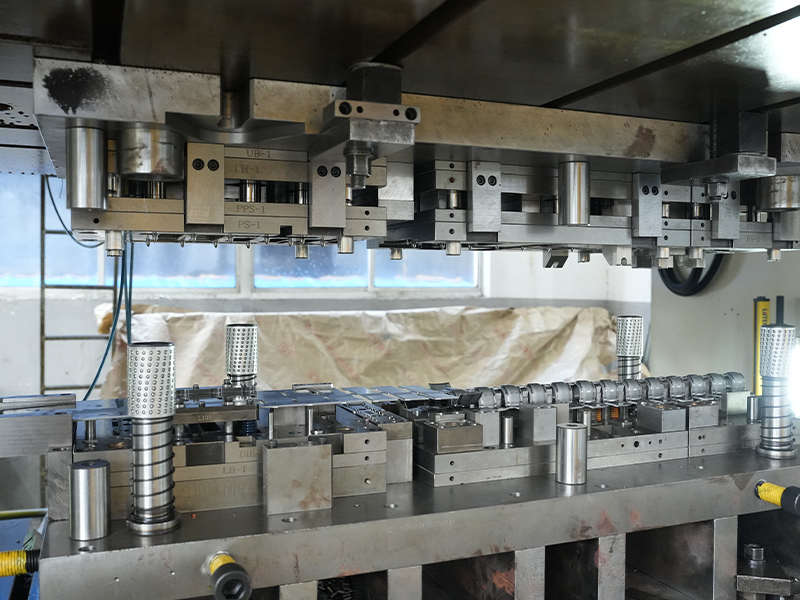
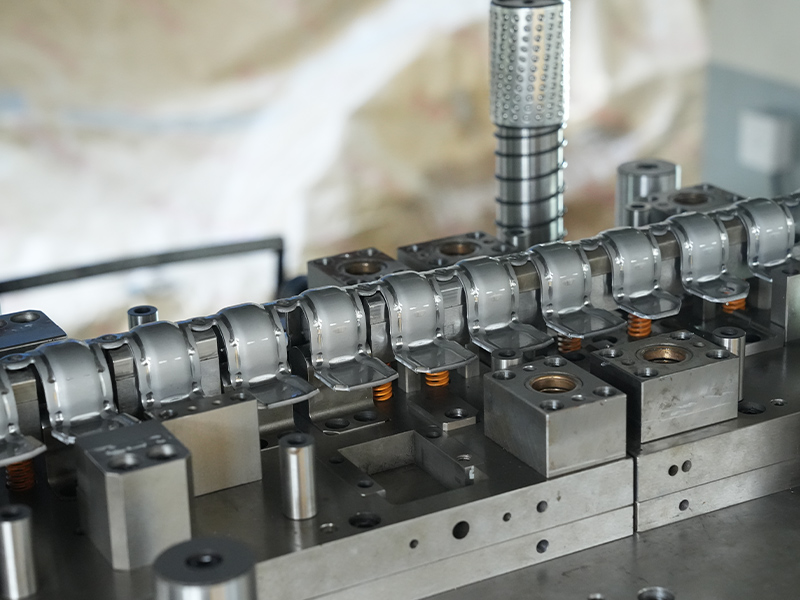
The sequence starts with a coil or blank, and each operation happens in the die. Blanking and piercing remove the outer profile and internal holes. Bending and drawing reshape the metal. A simple die performs one operation; a progressive die carries the strip through several stations and forms the complete part in a single press cycle.
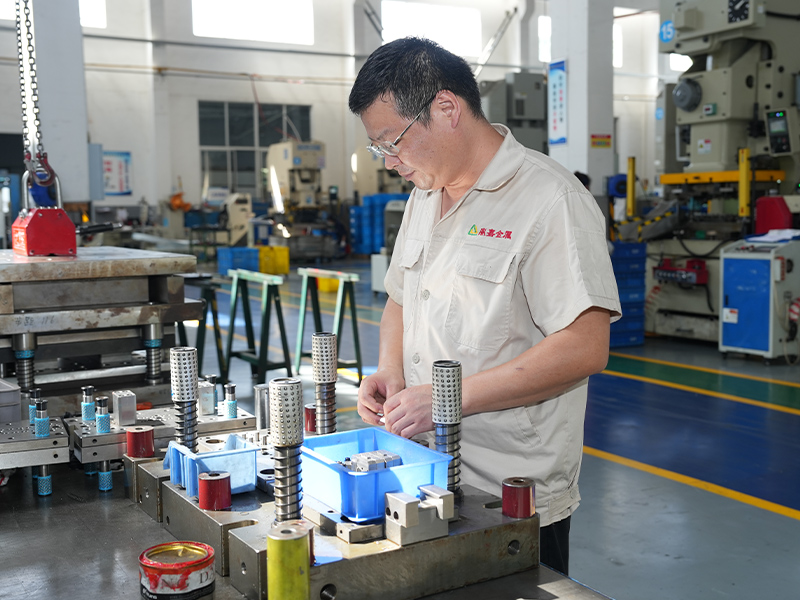
Die design is where stamping cost and quality are actually decided. An experienced manufacturer can adjust the bending allowance, move a pilot hole, or redesign the strip layout before any steel is cut. At Changzhou Dingjia Metal Technology, we design, build, and maintain our own dies. That keeps modification cycles short and helps the production team understand exactly why a feature must be controlled.
Our press room has 24 presses and can handle stampings that require up to 500 tons of force. The factory occupies 5,400 square meters, and we added another 1,500 square meters in 2024 to expand secondary operations. This scale is useful for customers who need more than a single prototype; it lets us run progressive tooling at production speeds while still keeping room for small-batch runs.
The most common excuse for a failed stamped part is "we asked for iron." Without a material grade, a stamping supplier cannot predict bendability, edge quality, or whether the part will survive its load. The table below compares the main iron-based families used in stamping.
| Material family | Typical grades | What to expect | Common stamped parts |
|---|---|---|---|
| Low-carbon steel | DC01, SPCC, Q195 | Good formability, low cost, easy to plate; lower strength than higher-carbon grades. | Brackets, mounting plates, covers, enclosures. |
| Carbon steel | Q235B, S275JR | Higher strength and stiffness; less forgiving in tight bends than low-carbon steel. | Load-bearing brackets, frames, flange components. |
| Spring steel | 65Mn, Ck67 | Hardness, elasticity, and fatigue resistance after heat treatment. | Clips, springs, seat adjuster plates, stamped metal shrapnel. |
| Stainless steel | 304, 316, 410 | Corrosion and heat resistance; strength with thinner wall sections. | Gaskets, heat shields, turbo sealing rings, brackets. |
If the part will be zinc plated or phosphated, pay attention to the base surface. Scale, oil residue, or blemishes in the raw coil will show up after plating. The grade also affects the amount of springback: a high-strength material may require a slight die compensation, and the thickness must stay within tolerance for the die to work correctly. Consider grain direction as well; bending parallel to the rolling direction can crack on a sharp radius, so a good supplier will adjust the feed orientation when possible.
The largest users of iron stamping parts are automotive, electronics, industrial equipment, and medical device manufacturers. The reason is simple: stamping provides the dimensional consistency that assembly lines rely on, at a cost per part that machining cannot match for high volumes.
Brackets, seat adjuster plates, torque converter components, turbo sealing gaskets, and heat shields are typical stamped parts. A stamped iron gasket in a valve or pump must sit flat and compress evenly; any waviness creates a leak path. For a closer look at common designs, our product page for a stamped iron gasket shows what a production-ready part looks like.
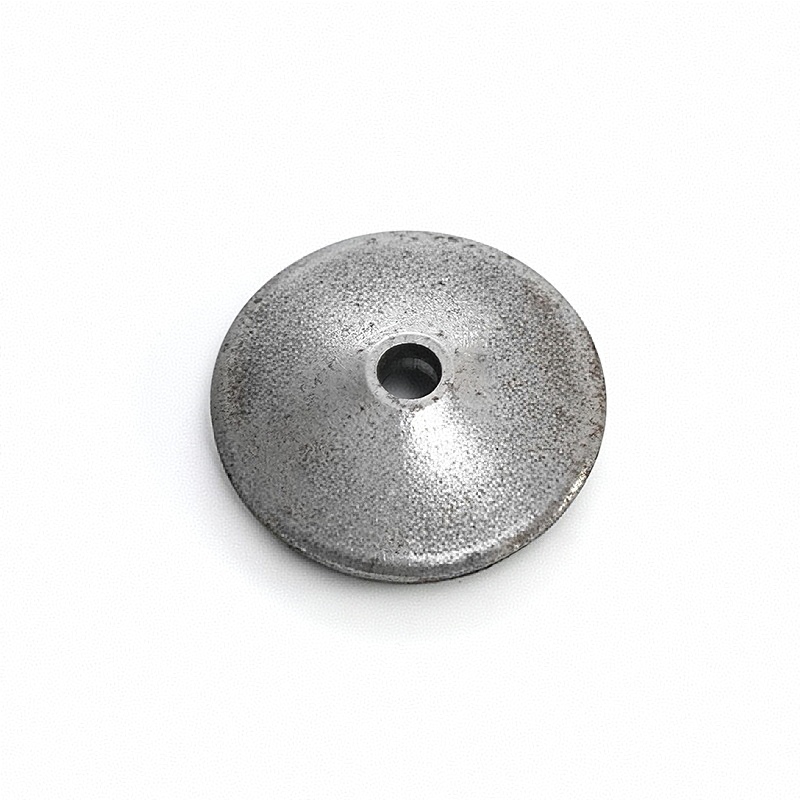 Custom Stamped Iron Gasket Suppliers, CompanyChangzhou Dingjia Metal Technology Co., Ltd. is China Custom Stamped Iron Gasket Suppliers and Stamped Iron Gasket Company, Our iron gask...View Product →
Smaller stamped parts often go into solenoid housings, capacitor sealing housings, pins, and connectors. When a component needs ferromagnetic properties, iron-based material is the natural choice. A solenoid valve housing, for example, concentrates the magnetic field while keeping the assembly compact. We produce stamped iron solenoid valve housings for fluid-control and electromechanical systems, with features checked against the customer's functional requirements.
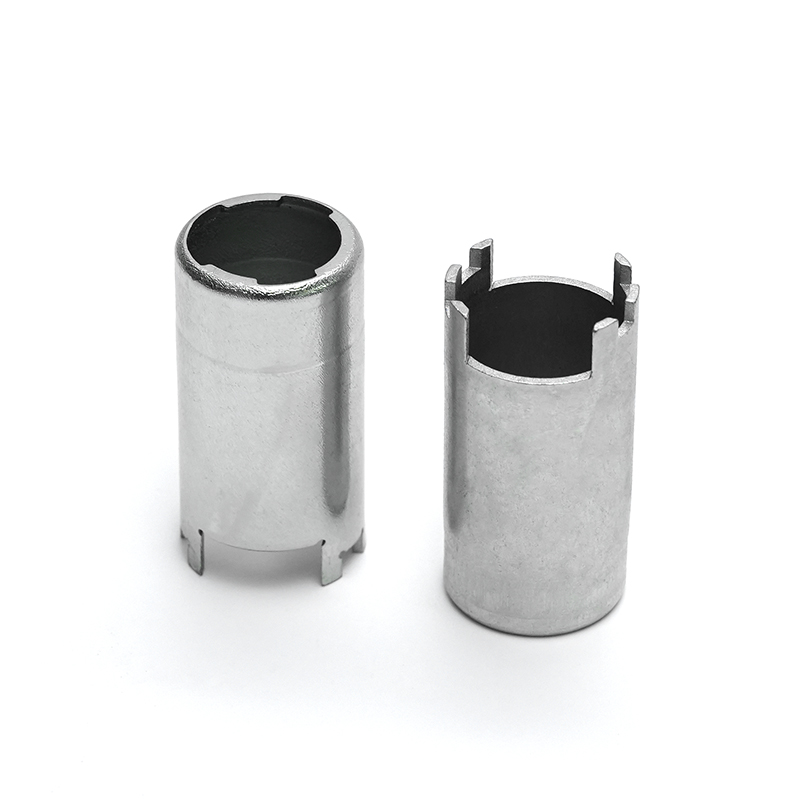 Custom Stamped Iron Solenoid Valve Housing Suppliers, CompanyChangzhou Dingjia Metal Technology Co., Ltd. is China Custom Stamped Iron Solenoid Valve Housing Suppliers and Stamped Iron Solenoid Valv...View Product →
Friction plates, gear engagement brackets, valve core assemblies, and oil baffles are stamped because the process can hold flatness and hole position without expensive machining. An oil baffle inside a gearbox prevents oil from splashing where it creates drag; a progressive die keeps the bent tabs and holes consistent at volume. For more detail, see our stamped iron oil baffle, which is designed for oil-control applications.
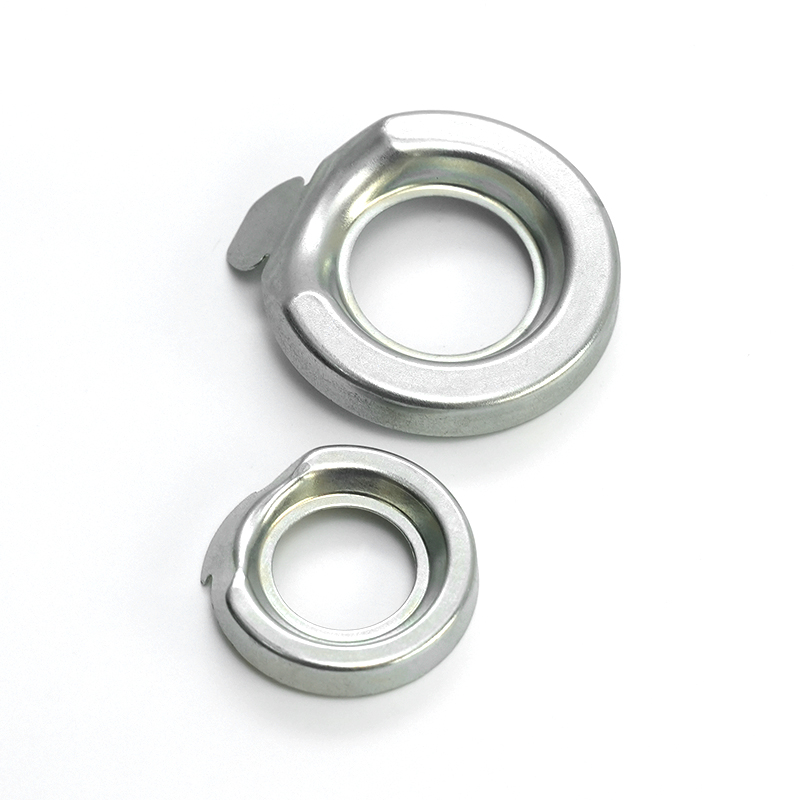 Custom Stamped Iron Oil Baffle Suppliers, CompanyChangzhou Dingjia Metal Technology Co., Ltd. is China Custom Stamped Iron Oil Baffle Suppliers and Stamped Iron Oil Baffle Company, The S...View Product →
A complete request for quotation includes the drawing, the material grade, the surface finish, and the critical functions. If you name a base material but leave out the edge condition, the supplier will make assumptions that may or may not match your assembly.
For general tolerances, many buyers reference ISO 2768-1. Automotive projects often add PPAP documentation, first-article inspection, and material certificates. A good supplier will ask for these details before quoting, not after the die is built.
A competent supplier reviews the drawing for manufacturability before quoting. They should point out if a hole is too close to a bend, if a tight radius will crack the material, or if the tolerance is tighter than the process can hold. If a supplier only quotes your drawing without asking questions, the production risk stays on your side.
At our plant, die review, first-article inspection, and in-process checks are part of our standard workflow. We also keep die maintenance in-house, which is important for long production runs. Press capacity matters less than the ability to match the die design to the part function and volume.
Before you send a request for quotation, make sure the drawing states the material standard, the critical surfaces, and the expected annual volume. Those three details allow a stamping supplier to propose the right die type and a realistic cost structure. If you are unsure whether an iron stamping part can replace a machined or fabricated component, send the drawing and let a manufacturing engineer review it early. Our team handles die design, sample development, and production runs; we are ready to answer design questions before the quoting stage, because that is where the real cost of an iron stamping part is decided. To discuss a specific part, contact our engineering team.
Stainless Steel Stamping Parts: A Buyer's Guide to Grades, Tolerances & Applications
2026-08-07Progressive Die Design: Process, Strip Layout, Tolerances, and Tooling Costs
2026-08-21Your email address will not be published. Required fields are marked *
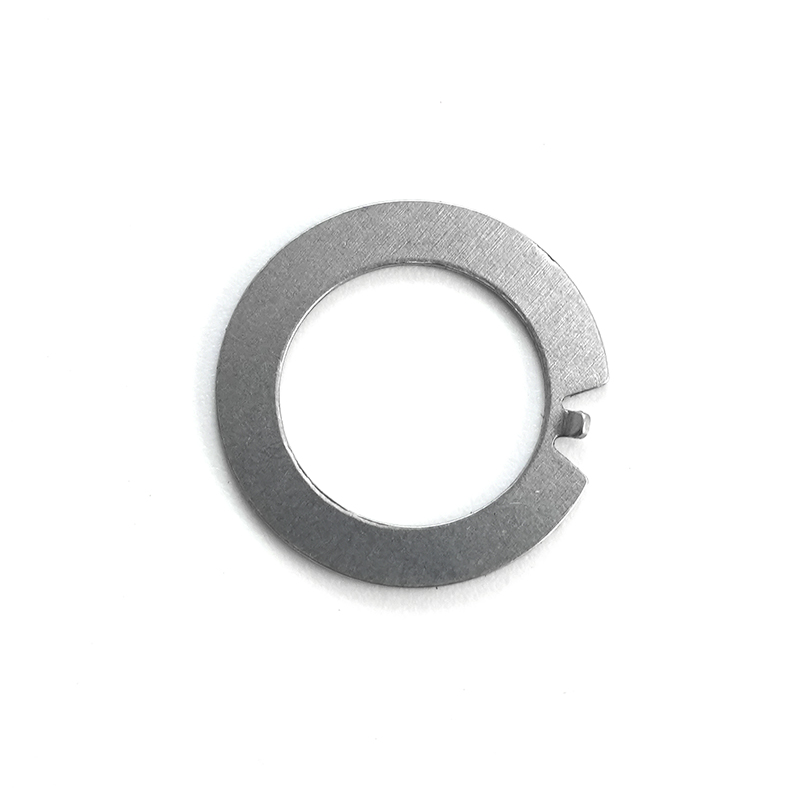
Our high temperature-resistant stainless steel car gasket is engineered for performance in automotive applications that require durability under heat and pressure conditions. Manufactured from premium...
See Details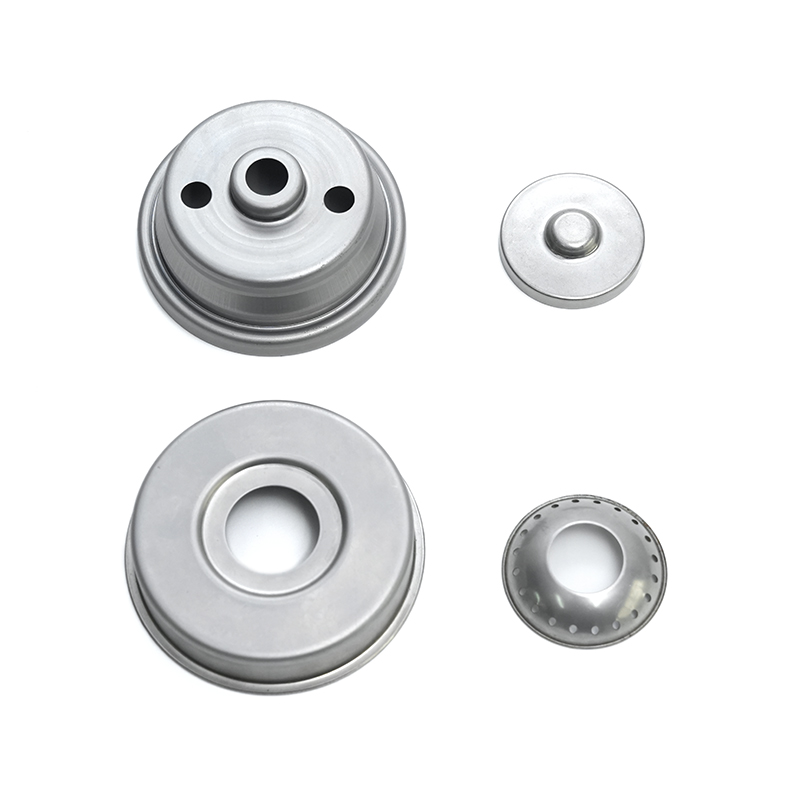
The Stamped Stainless Steel Heat Shield is a precision-formed automotive component designed to protect critical systems from excessive heat. Manufactured using advanced stamping technology, this heat ...
See Details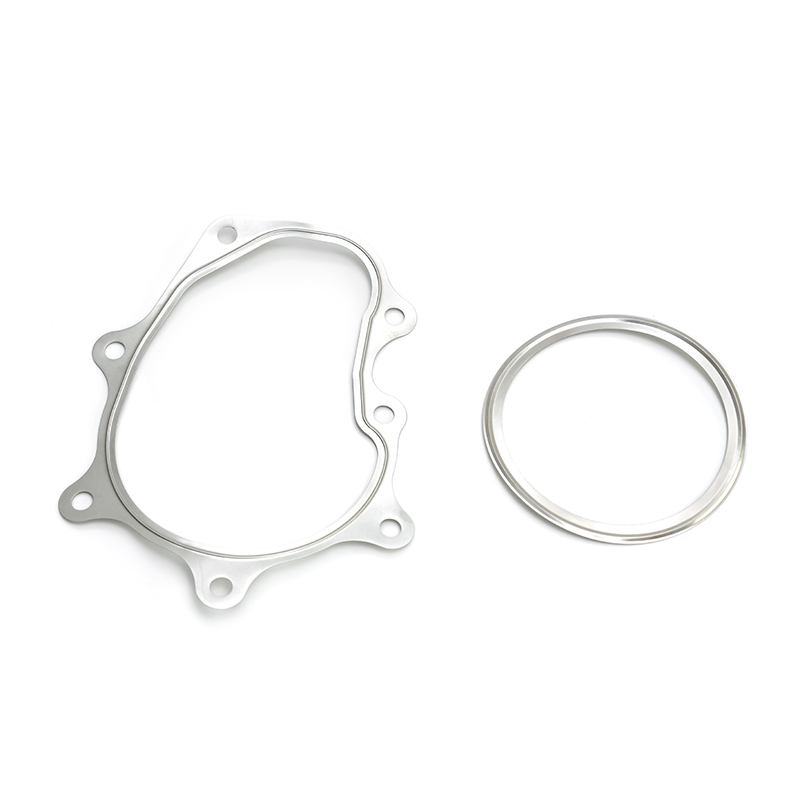
Our Stainless Steel Turbo Sealing Gasket is engineered for high-performance applications in turbocharged engines, providing a robust, reliable seal to prevent leakage of exhaust gases and boost pressu...
See Details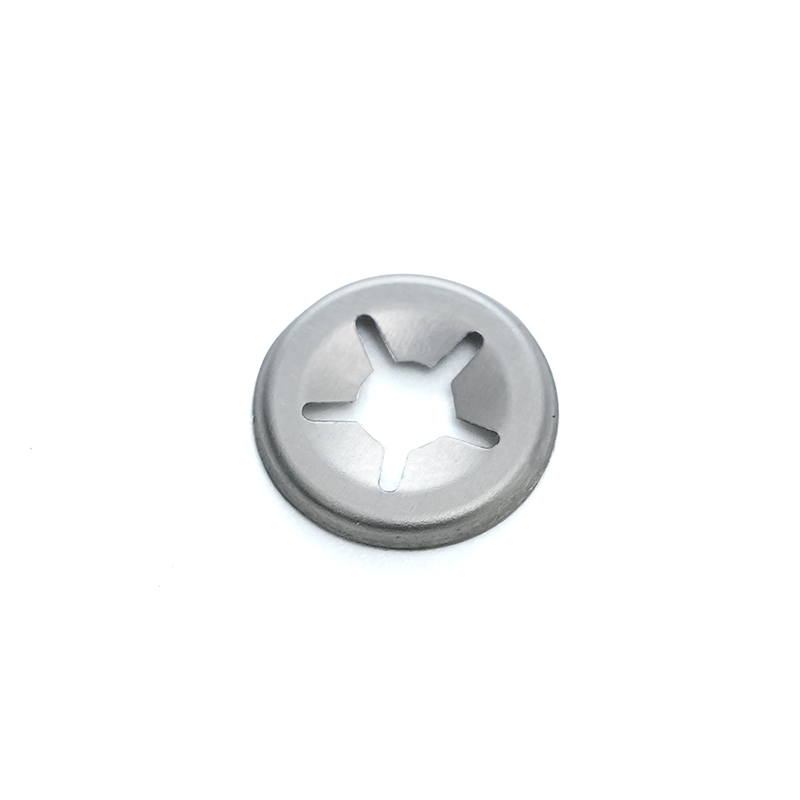
The Stainless Steel Starlock Washer Fasteners are specialized retaining components designed to securely hold parts in place within water valve assemblies. Manufactured from high-quality stainless stee...
See Details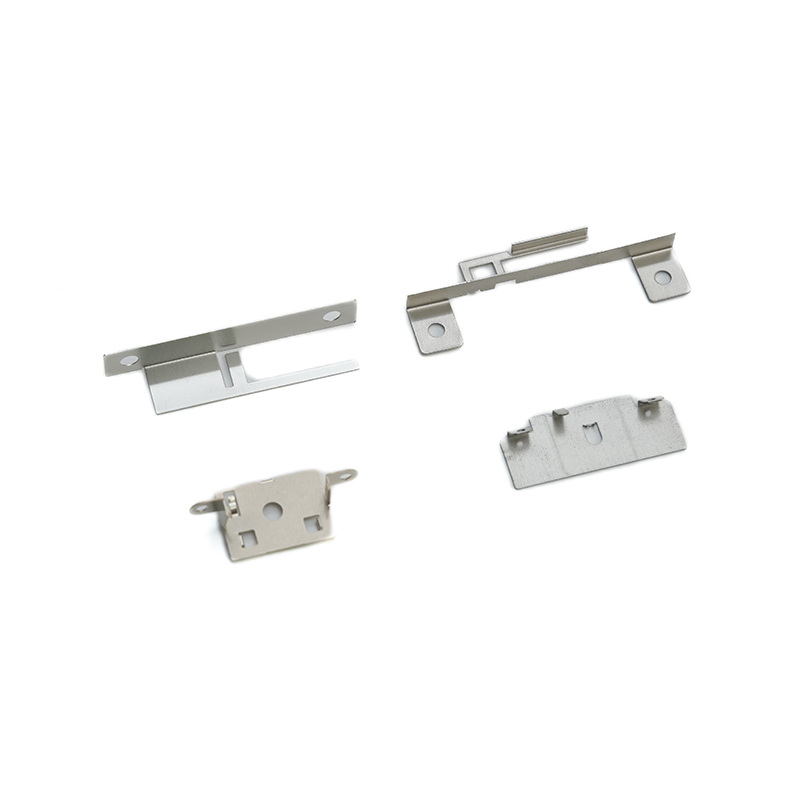
Our high pressure resistant stainless steel bracket is a robust, durable, and reliable solution for securing equipment in demanding environments where pressure and structural integrity are critical. M...
See Details
Our iron gasket is a high-performance sealing solution designed to provide durable and reliable performance in a wide range of industrial applications. Manufactured from high-quality iron materials, t...
See Details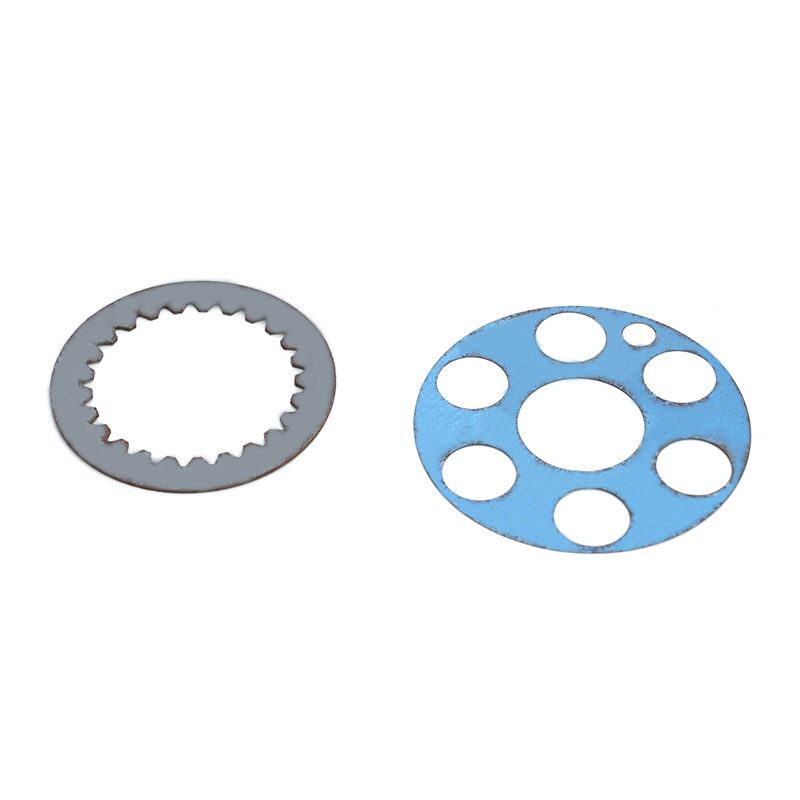
Our iron friction plate is a high-quality, durable component designed for use in a variety of mechanical systems requiring efficient energy transfer and heat resistance. Manufactured using premium-gra...
See Details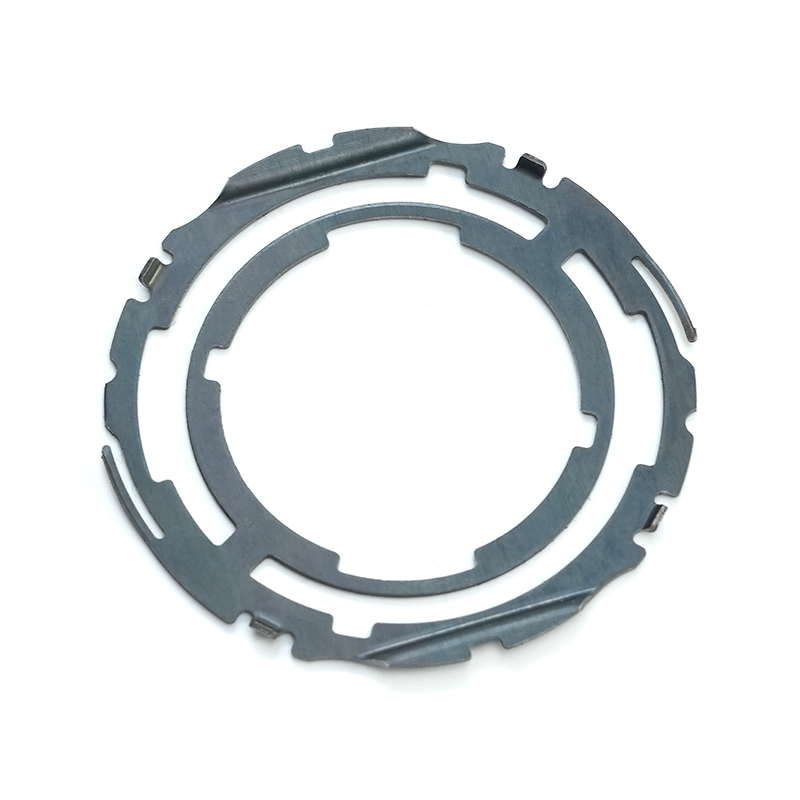
The 65Mn Iron Stamped Seat Adjuster Plate is a precision-engineered metal stamping component made from high-carbon steel (65Mn), a material known for its hardness, tensile strength, and wear resistanc...
See Details
Our corrosion-resistant automotive steel bracket is engineered for durability and performance in demanding automotive applications. Crafted from high-quality, corrosion-resistant steel, this bracket o...
See Details
The Stamped Aluminum Fan Heat Plate for New Energy Charging Pile Plug is a key component manufactured from aluminum alloy using stamping technology, widely used in the plug section of new energy vehic...
See Details
Our Iron + Aluminum Silence Cover is a high-performance, durable solution designed to effectively reduce noise and vibration in a wide range of industrial and mechanical applications. Combining the st...
See Details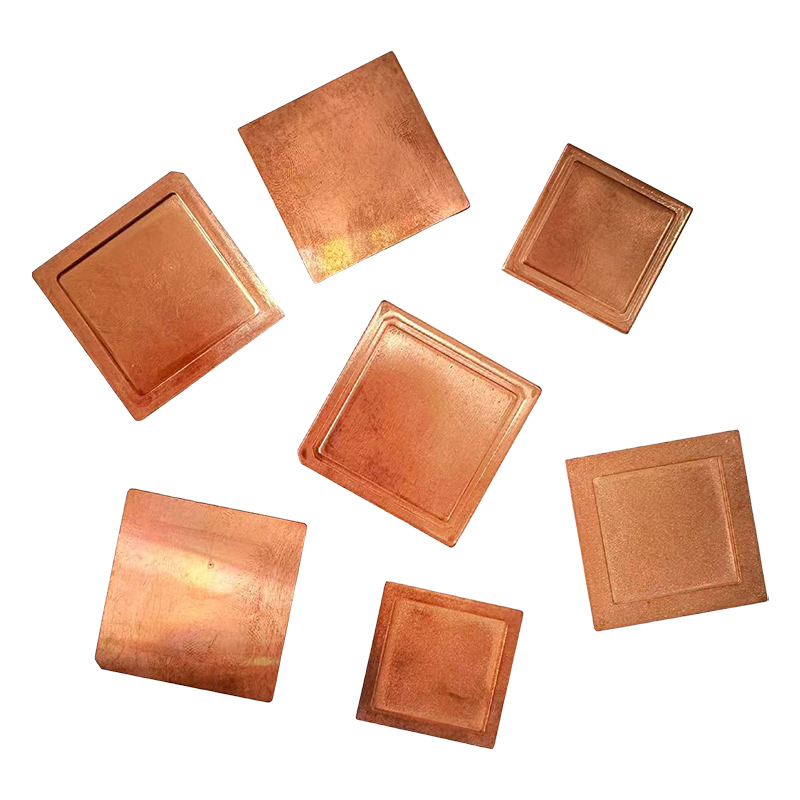
This CPU heat sink is engineered with high-purity copper as its core thermal conduction base, featuring a precision CNC-machined and mirror-polished contact surface that ensures gap-free contact with ...
See Detailscontact details
Address: No.6 Qiasheng North Road,Caoqiao Industrial Park,Xueyan Town,Wujin District,Changzhou City,Jiangsu Province
TEL: 86-15050692548
If You Are Interested In Our Products, Please Consult Us
 Ferrous & Non-Ferrous Metal Stampings Manufacturers