Content
Most connector failures aren't caused by poor design — they're caused by the wrong material. Phosphor bronze has been the go-to alloy for precision electrical connectors in demanding industries for decades, and for good reason. Understanding exactly what makes it perform will help you specify it correctly and avoid costly substitutions.
What Phosphor Bronze Actually Is
Phosphor bronze is a copper alloy combining copper, tin (typically 4–9%), and a small amount of phosphorus (0.01–0.35%). The tin increases hardness and corrosion resistance. The phosphorus acts as a deoxidizer during casting and, critically, refines the grain structure — giving the alloy its signature fatigue strength and spring properties.
The resulting material delivers tensile strength from 400 to 1,000 MPa depending on temper, and electrical conductivity in the range of 15–25% IACS. That's lower than pure copper, but the tradeoff is a material that maintains its shape under repeated stress — something pure copper cannot do reliably.
Common UNS grades include C51000 (5% Sn), C51900 (6% Sn), and C52100 (8% Sn). Higher tin content raises strength and corrosion resistance but slightly reduces conductivity. Connector designers select grade based on the stress level and environment the part will face. The material is governed by ASTM B103/B103M, the industry standard specification for phosphor bronze sheet and strip, which defines the chemical composition, temper conditions, and mechanical property requirements for stamped connector applications.
Four Properties That Set It Apart
Fatigue resistance. A connector that flexes thousands of times — during mating cycles, vibration, or thermal expansion — needs a material that won't crack or lose its spring force. Phosphor bronze's fine grain structure gives it outstanding cyclic fatigue life. This is why it's standard in automotive connectors and aerospace terminals where vibration is constant.
Corrosion resistance. The tin content creates a passive oxide layer that protects the alloy in humid, salty, and chemically active environments. Unlike bare copper, a precision-stamped phosphor bronze connector resists oxidation on its surface over years of service — critical for outdoor power distribution and marine electronics.
Spring-back retention. Contact force in a connector degrades over time as the material creeps under pressure. Phosphor bronze's high elastic limit means it holds contact pressure longer than brass, making it the preferred choice where high-reliability electrical contact is non-negotiable.
Temperature stability. Performance remains consistent from sub-zero conditions up to around 125°C. For automotive underhood electronics or industrial control panels that experience wide temperature swings, this stability prevents intermittent contact failures that are notoriously difficult to diagnose.
Where Phosphor Bronze Connectors Are Used
The applications map directly to environments where at least two of the above properties must coexist — conductivity plus fatigue resistance, or corrosion resistance plus spring retention:
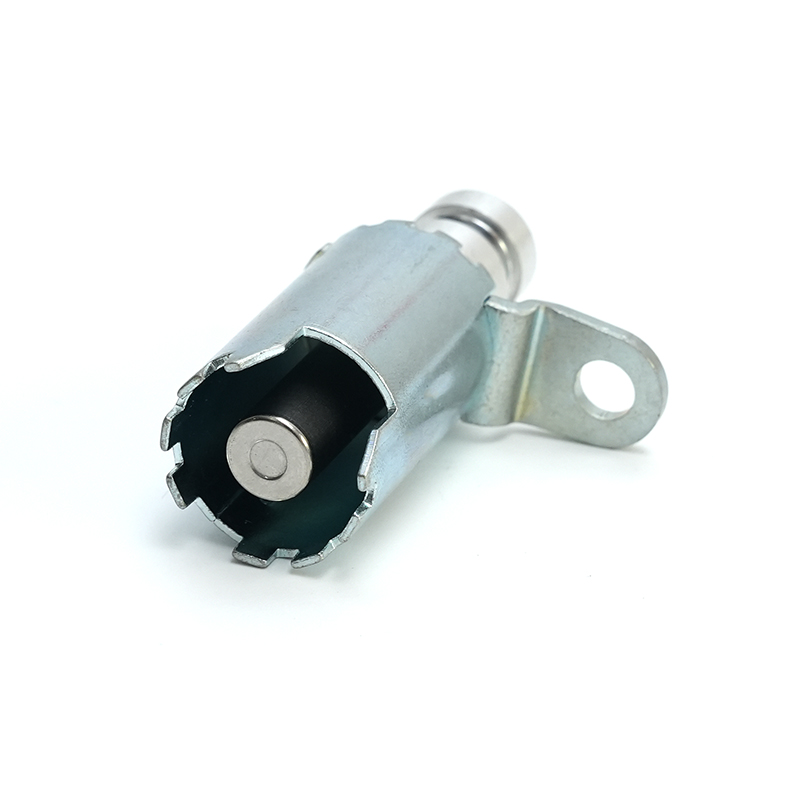
- Automotive systems: Sensor connectors, ECU terminals, solenoid valve pins, and power distribution blocks. Vibration and thermal cycling are the dominant stressors.
- Telecommunications: Coaxial connector contacts, SIM card trays, and board-to-board connectors where millions of mating cycles are expected.
- Industrial electronics: Relay contacts, terminal blocks, switch springs, and fuse clips in control panels exposed to moisture and temperature variation.
- EV charging infrastructure: High-current plug contacts and charging pile connectors where both conductivity and long service life under repeated connection cycles are required.
- Aerospace: Avionics connectors and instrument contacts where weight is managed but fatigue failure is unacceptable.
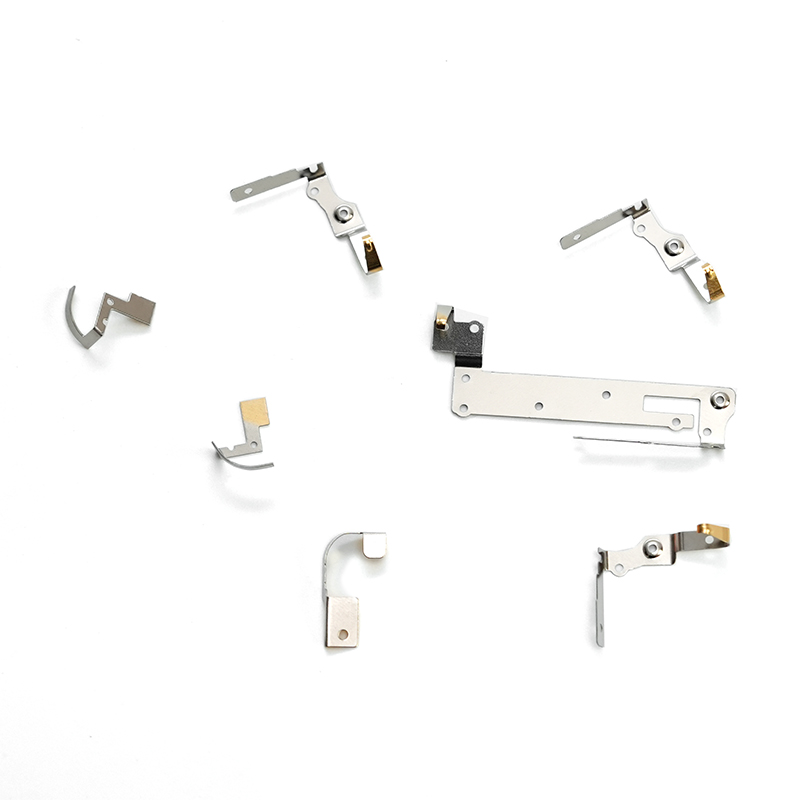
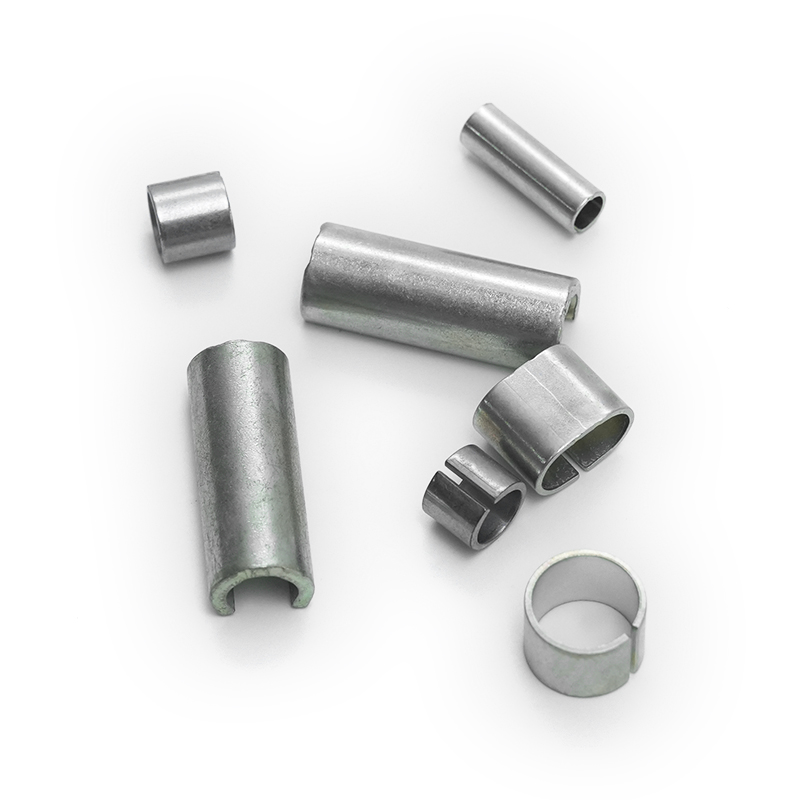
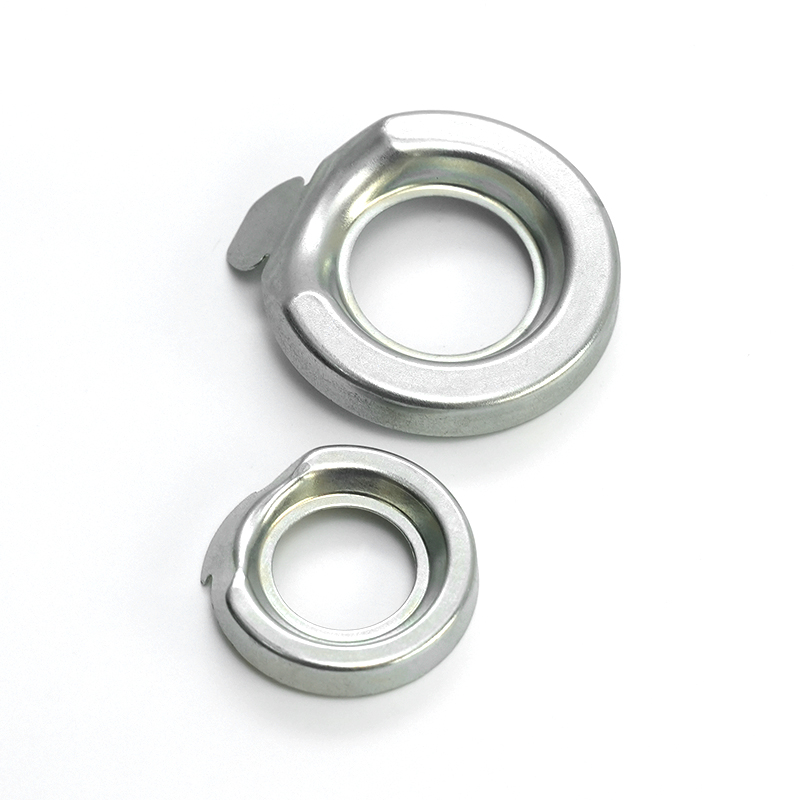
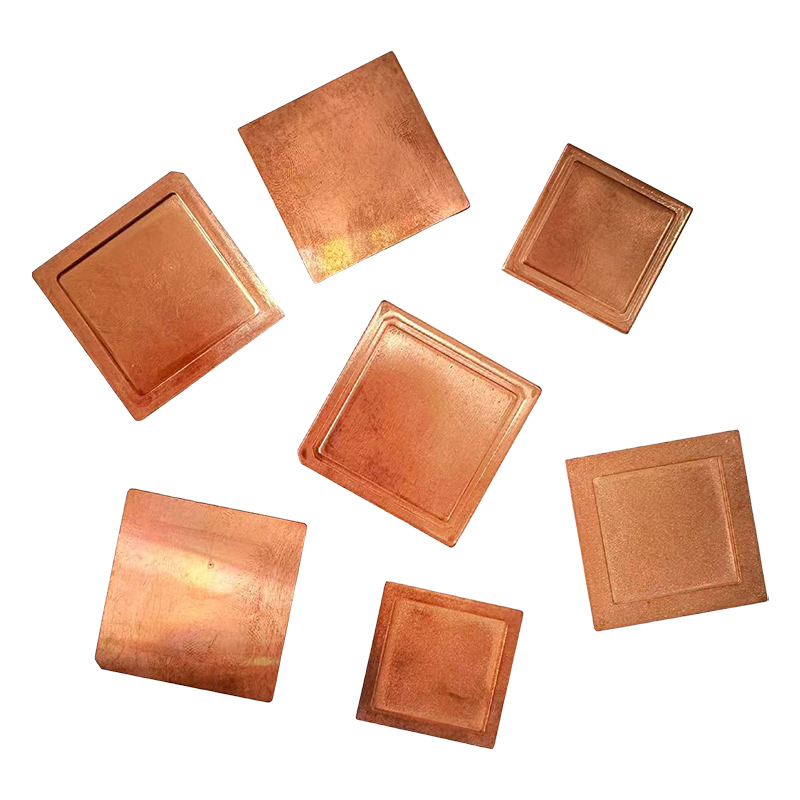
A broader look at copper-based plated stamping parts for electrical and industrial use shows how surface treatments — tin plating, silver plating, gold flash — are layered onto the phosphor bronze substrate to further enhance solderability, reduce contact resistance, and meet specific mating requirements.
Phosphor Bronze vs. Brass: Choosing Correctly
Brass (C28000) offers ~25% IACS conductivity and tensile strength around 450 MPa — adequate for standard connectors. But it falls short in stress relaxation resistance. Over time, brass connectors in high-pressure or vibrating assemblies lose contact force and generate heat from increased resistance.
| Property | Phosphor Bronze (C52100) | Brass (C28000) |
|---|---|---|
| Electrical Conductivity | 15–20% IACS | ~25% IACS |
| Tensile Strength | Up to 1,000 MPa | ~450 MPa |
| Fatigue Resistance | Excellent | Moderate |
| Stress Relaxation | Low (stable) | Higher (degrades) |
| Corrosion Resistance | High | Moderate |
| Best For | High-reliability, high-cycle | Standard connectors |
Choose phosphor bronze when the connector will face vibration, repeated mating cycles, elevated temperature, or corrosive exposure. Use brass only when cost is the primary driver and operating conditions are benign.
What to Verify Before Sourcing
Not all phosphor bronze connectors are manufactured to the same precision. Before placing an order, confirm these four points with your supplier:
- Alloy grade and UNS designation — ask for mill certificates showing actual Sn and P content, not just a generic "phosphor bronze" label.
- Temper condition — spring temper (H08) delivers the highest fatigue resistance; quarter-hard (H01) is more formable but softer. Match temper to your mating force requirements.
- Surface treatment — bare phosphor bronze oxidizes over time. Tin or silver plating protects the contact surface and maintains low contact resistance over service life.
- Dimensional tolerance — connector reliability is a function of consistent contact geometry. Stamping precision directly determines insertion force consistency and electrical continuity.
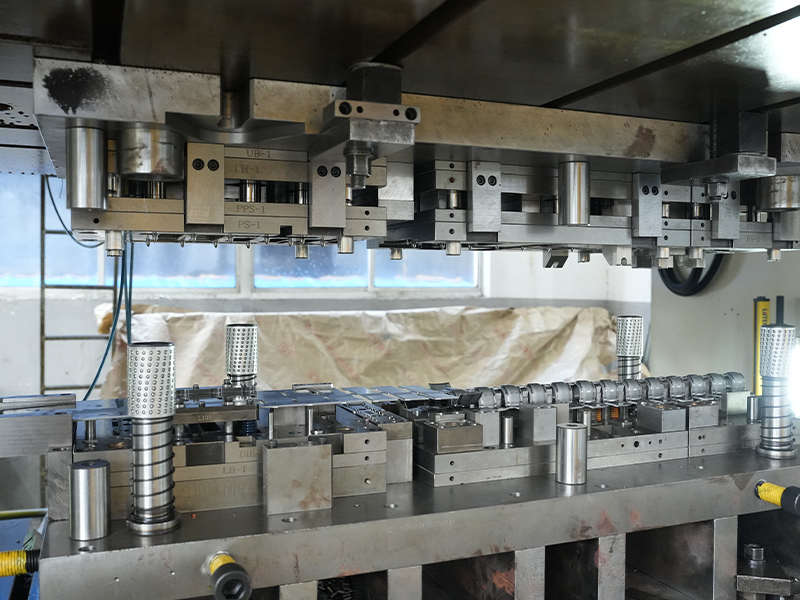
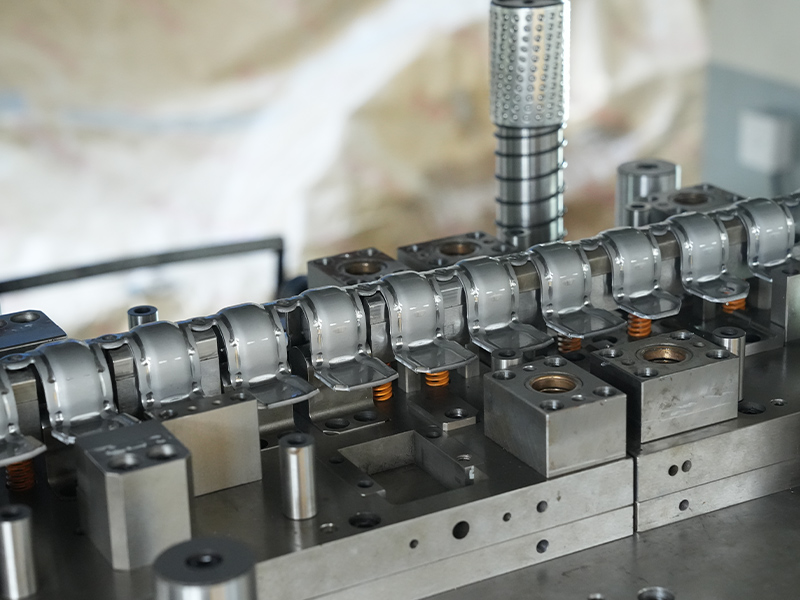
Working with a manufacturer that controls the full stamping process — from strip selection through progressive die stamping to surface plating — eliminates the tolerance stack-ups that cause field failures. Learn more about precision copper stamping capabilities for connector and terminal production.
The Bottom Line
Phosphor bronze earns its place in critical connector applications because it balances competing demands that no single-property material can satisfy. It is strong enough to hold spring force, conductive enough to pass signal and power reliably, and resistant enough to survive in real-world environments. Specifying the right grade and temper — and sourcing from a manufacturer with tight stamping tolerances — is the difference between a connector that lasts the product's lifetime and one that fails in the field.