Content
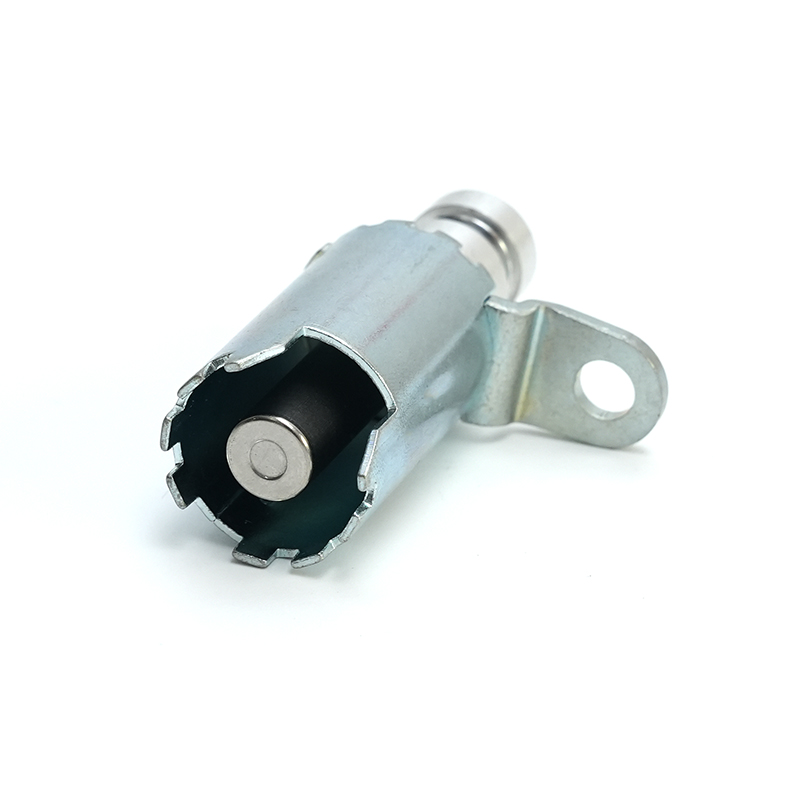
Most shock absorbers don't fail because of poor design — they fail because the material wasn't built for the environment. Salt air, industrial chemicals, and constant humidity are silent killers of suspension components. That's exactly why pure zinc plate shock absorbers have become the go-to choice for engineers who need reliable vibration control in demanding conditions.
What Makes Pure Zinc the Right Material?
Zinc is one of the few metals that actively protects itself. When exposed to moisture and air, it forms a stable zinc carbonate layer on its surface — a self-sealing barrier that slows further corrosion. Unlike steel, which rusts progressively once the surface is scratched, zinc's sacrificial protection continues to work even when the surface is damaged.
According to the International Zinc Association's technical data on zinc coatings, zinc-based materials can provide outdoor corrosion protection ranging from 20 years in industrial sites to over a century in rural environments. For shock absorber plates, this translates to extended service life with minimal surface degradation.
Pure zinc material also delivers a favorable strength-to-weight ratio. It's rigid enough to withstand repeated impact cycles while remaining light enough to reduce unsprung mass in vehicle suspension systems — a factor that directly affects handling precision and ride quality.
Key Advantages Over Conventional Shock Absorber Materials
Choosing the wrong plate material is an expensive mistake that shows up in maintenance logs months later. Here's how pure zinc compares across the performance factors that actually matter in the field:
| Performance Factor | Pure Zinc Plate | Standard Steel Plate | Aluminum Plate |
|---|---|---|---|
| Corrosion Resistance | Excellent (self-protecting layer) | Moderate (requires coating) | Good (oxide layer) |
| Maintenance Frequency | Low | High (coating upkeep) | Low to Moderate |
| Performance in Humid/Saline Environments | High | Low without treatment | Moderate |
| Environmental Impact | Non-toxic, recyclable | Moderate | Recyclable |
| Wide Temperature Range Suitability | Yes | Yes | Limited at extremes |
The low maintenance profile stands out in high-volume operations. Equipment downtime for corrosion treatment or part replacement is a direct cost — reducing that frequency with a material that manages its own surface condition is a straightforward operational advantage.
Where Pure Zinc Plate Shock Absorbers Are Used
The applications share one common thread: environments where conventional materials degrade quickly.
- Automotive suspension systems — Particularly in commercial vehicles and those operating in coastal or high-humidity regions, where road salt and moisture exposure are constant. The plate absorbs vibration from the shock absorber mount while resisting the underbody environment.
- Industrial machinery — Conveyor systems, presses, and heavy production equipment generate continuous vibration cycles. Zinc plates handle the repetitive impact loads without surface deterioration that would compromise fit and function over time.
- Construction and heavy equipment — Excavators, loaders, and site machinery face both mechanical stress and outdoor exposure simultaneously. A zinc shock absorber plate delivers consistent performance across seasons without requiring protective re-coating between service intervals.
- Coastal and high-humidity installations — Any application near the ocean or in tropical climates where salt-laden air accelerates corrosion on unprotected metals. Pure zinc's sacrificial layer makes it specifically suited to these environments.
The breadth of these use cases reflects zinc's flexibility as a structural material — it isn't a specialized solution for a single industry, but a practical choice that solves a recurring problem across sectors.
What to Look For When Sourcing Zinc Plate Shock Absorbers
Material purity matters. Impurities in zinc can reduce corrosion resistance and compromise structural integrity under cyclic loading. Verify that the supplier works with documented material grades and maintains traceability through production.
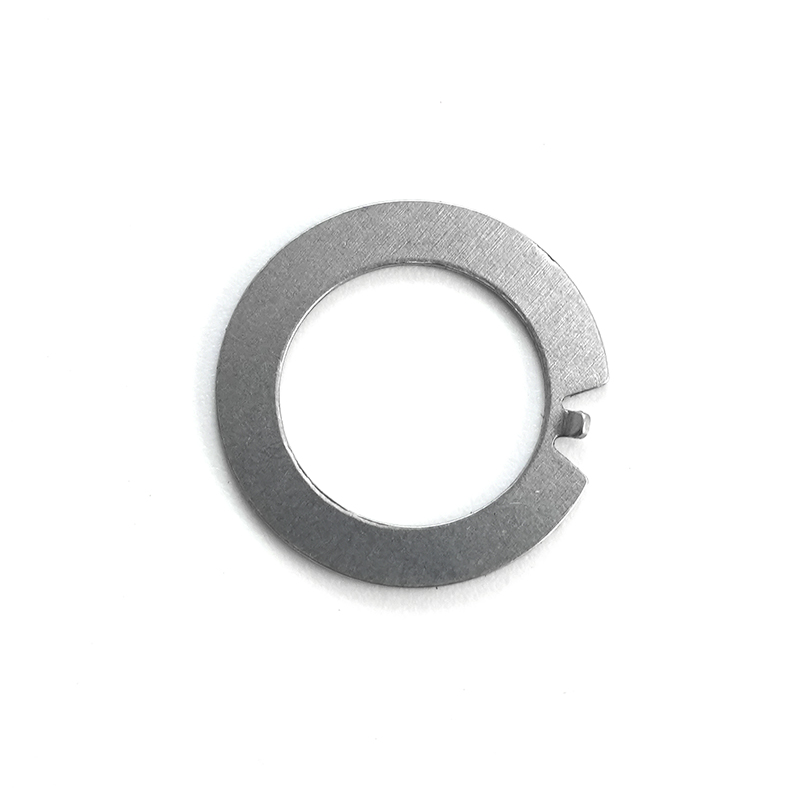
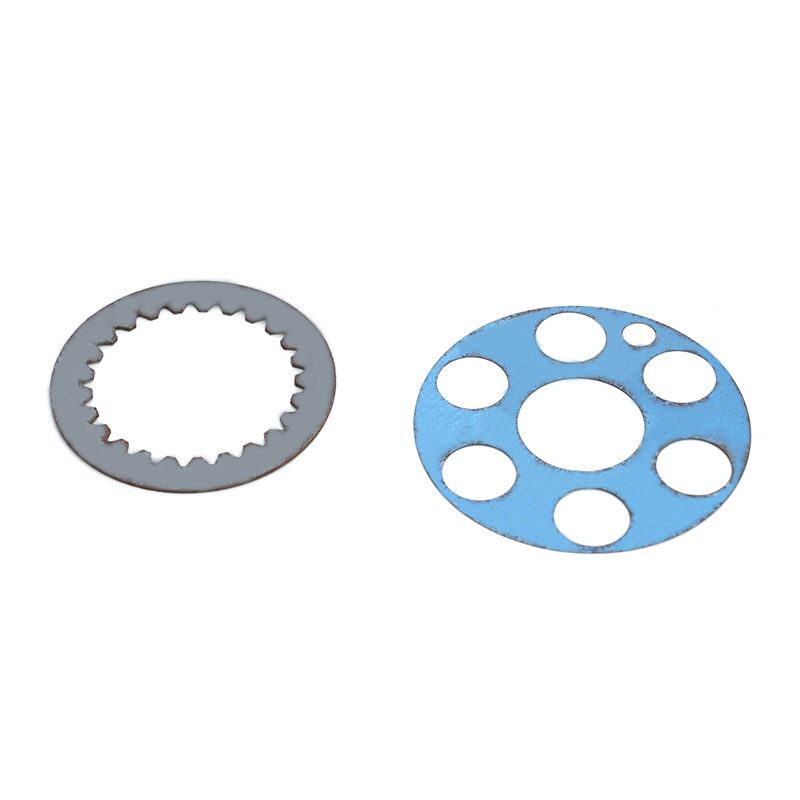
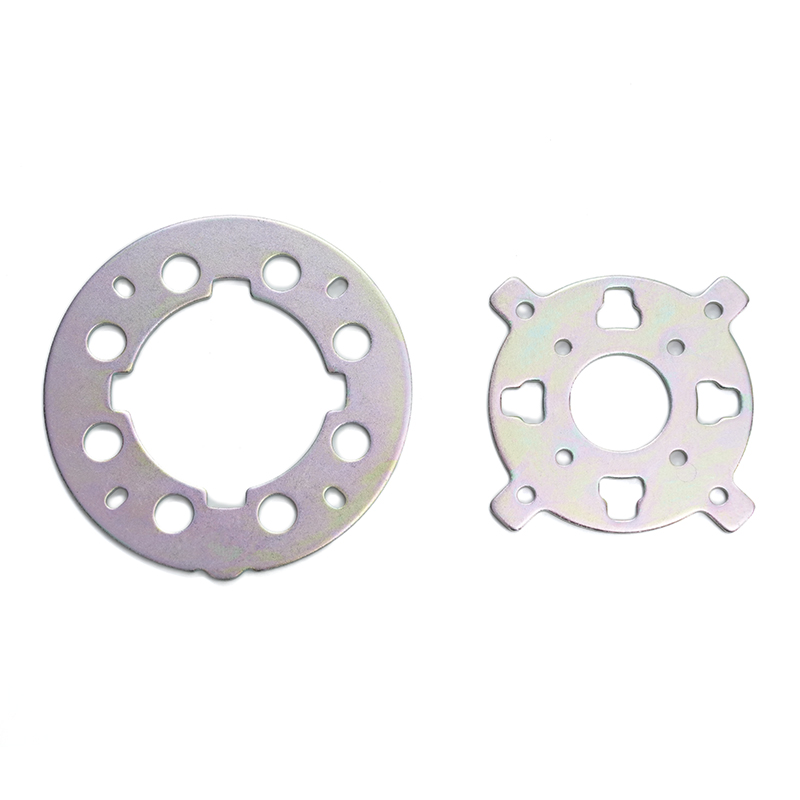
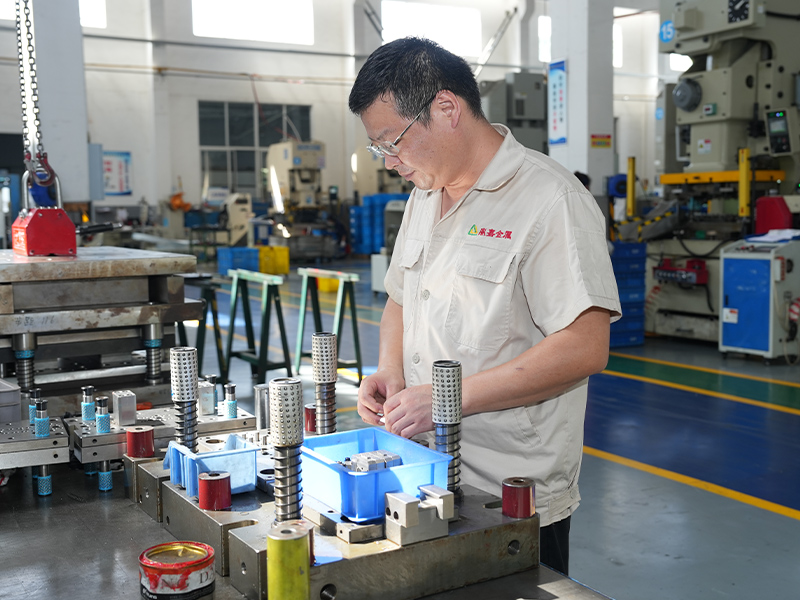
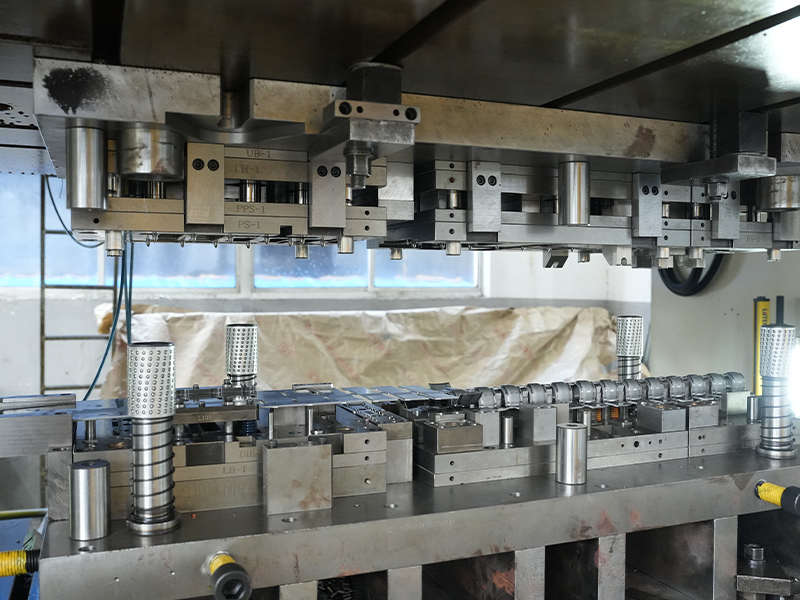
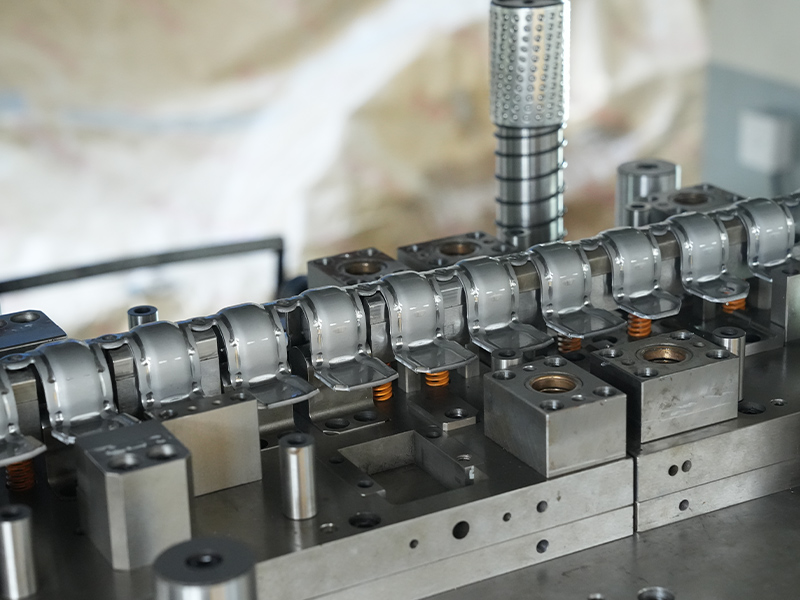
Dimensional precision is equally critical. A shock absorber plate that doesn't match the mounting hole pattern or sits at an incorrect thickness will create stress concentrations regardless of material quality. Look for manufacturers using precision stamping processes with tight dimensional tolerances — typically within ±0.1mm for automotive-grade applications.
Surface finish consistency also signals production quality. Uniform zinc surfaces distribute contact stresses evenly and ensure the corrosion barrier forms correctly across the entire part. Irregular surfaces or visible voids in the material are indicators of process control issues that will surface as premature failures.
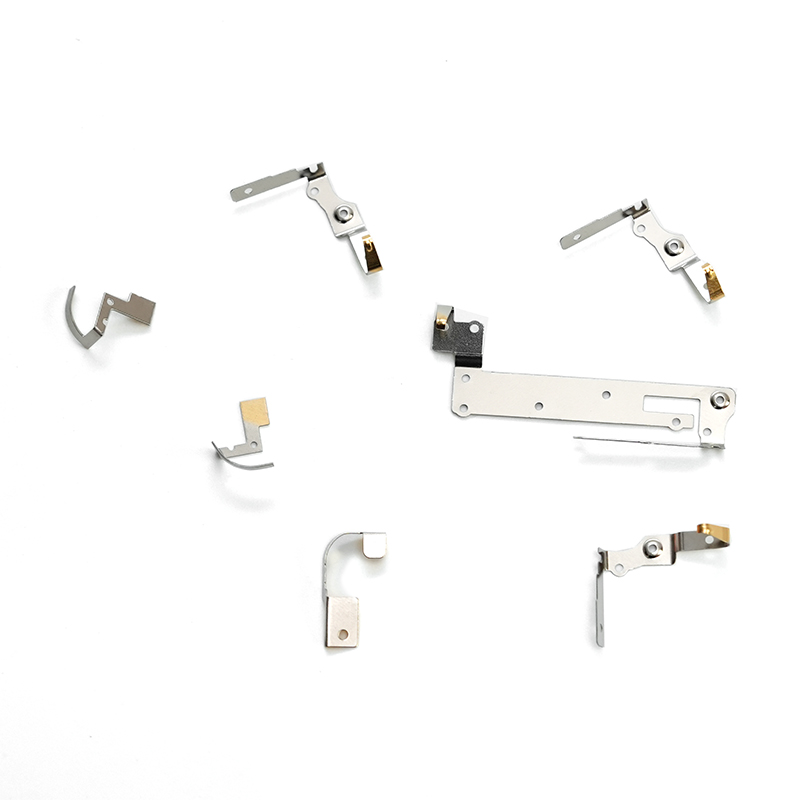
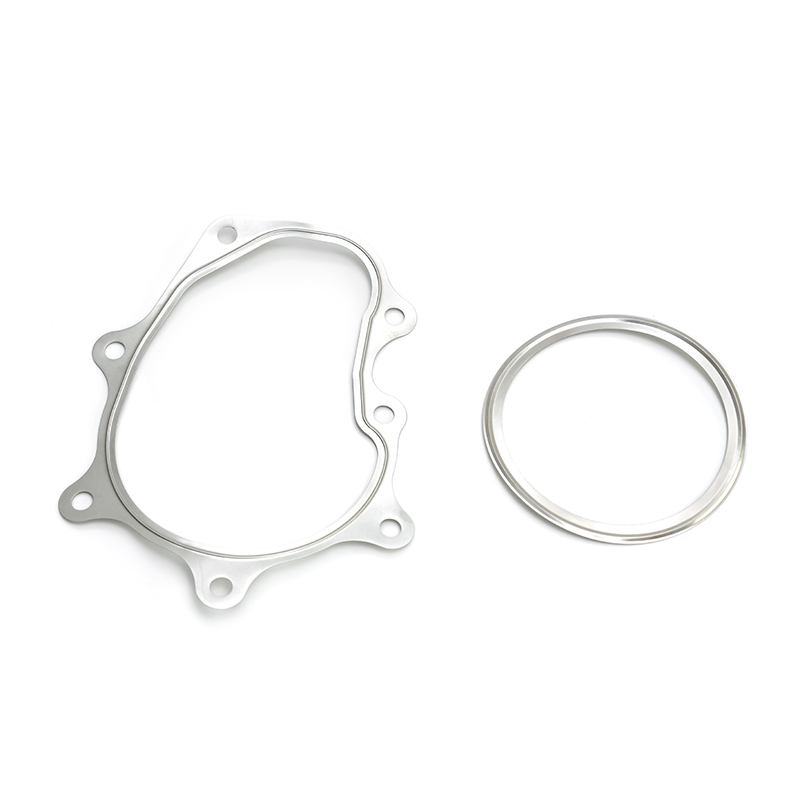
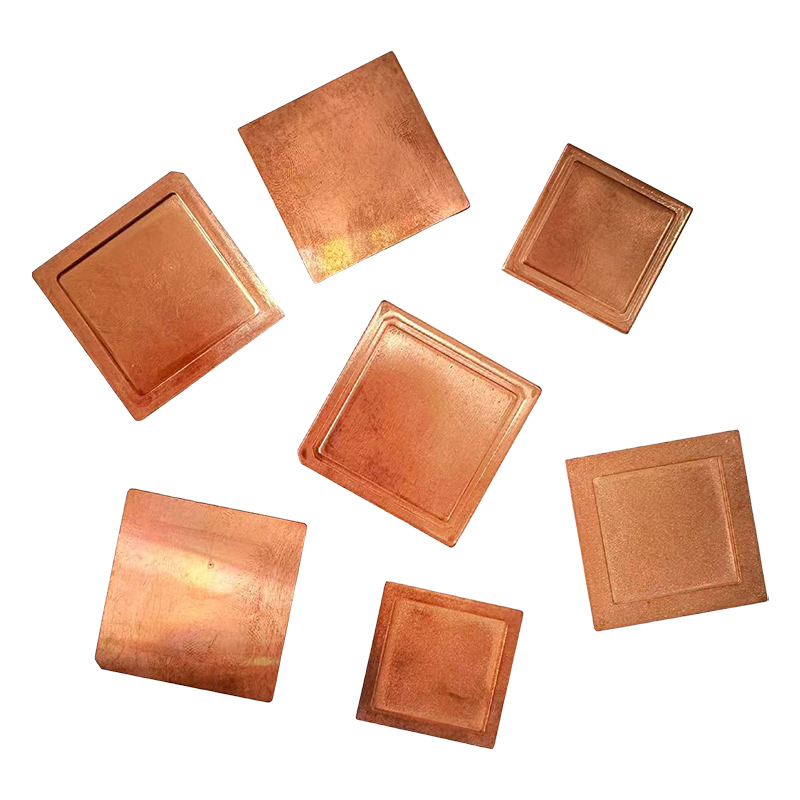
Explore the full range of zinc and zinc alloy stamping part options to find the right configuration for your specific load requirements and mounting dimensions. For applications that involve mixed-material assemblies, the broader non-ferrous metal stamping parts catalog covers complementary components in aluminum, copper, and copper-plated materials.
The Maintenance Argument in Plain Terms
Zinc's corrosion resistance isn't just a materials science advantage — it's a cost argument. Every unplanned maintenance event on a production line or vehicle fleet carries labor costs, downtime, and potential secondary damage from component failure. Specifying parts that resist degradation in their operating environment removes a category of failure from the maintenance schedule entirely.
For procurement engineers and maintenance planners comparing options, the lower lifetime cost of a zinc shock absorber plate — even at a modestly higher upfront price point — typically justifies itself within one or two replacement cycles when compared against unprotected steel alternatives in the same environment.
If your application involves consistent exposure to moisture, salt, chemicals, or temperature cycling, a closer look at the corrosion resistance advantages of pure zinc plate components will provide additional technical detail on why this material performs where others don't.