简体中文
简体中文
 English
 عربى
عربى
Content
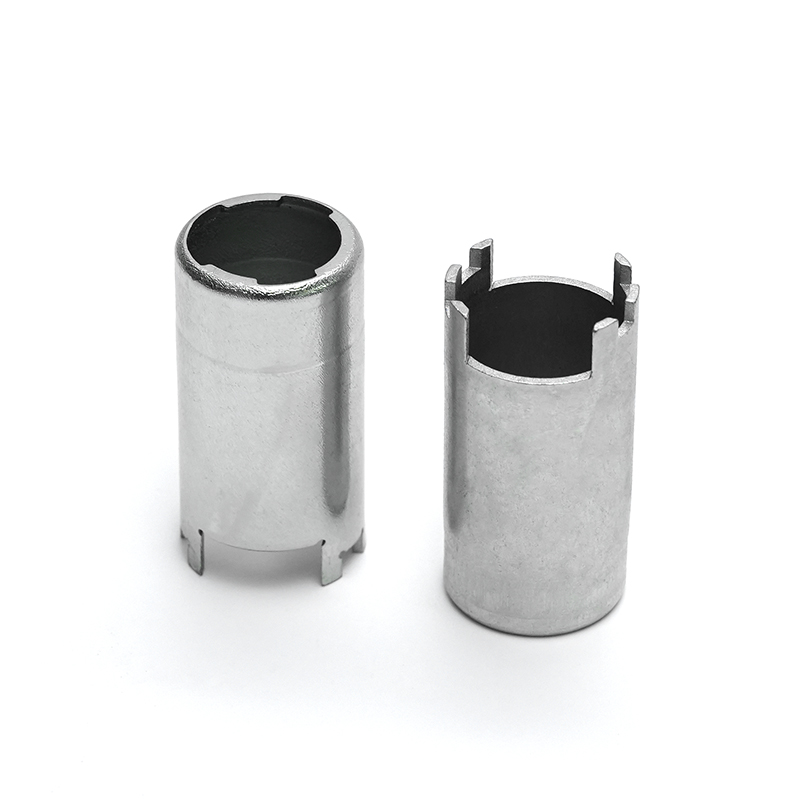
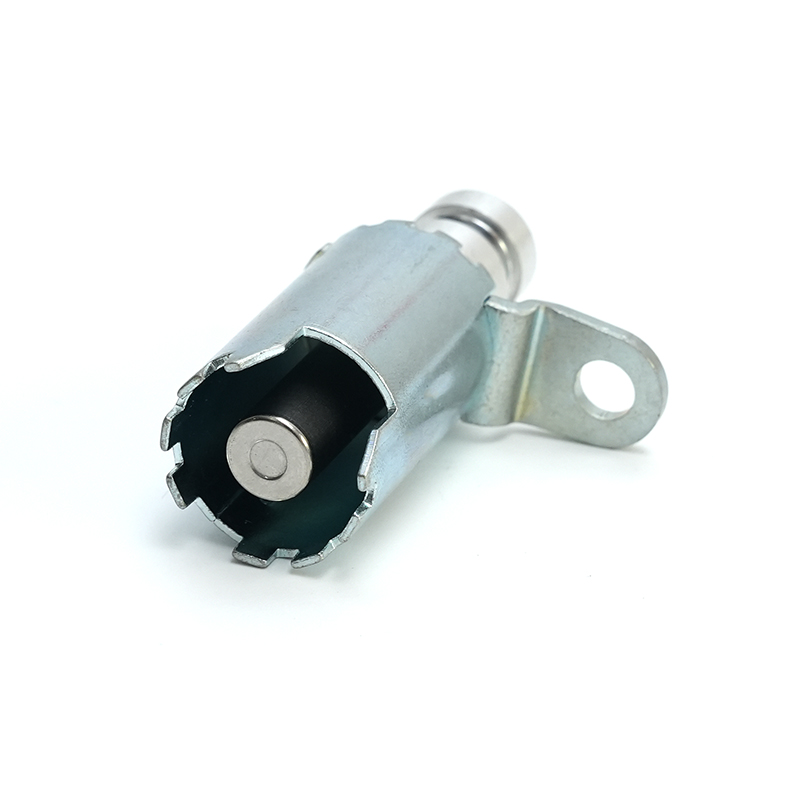
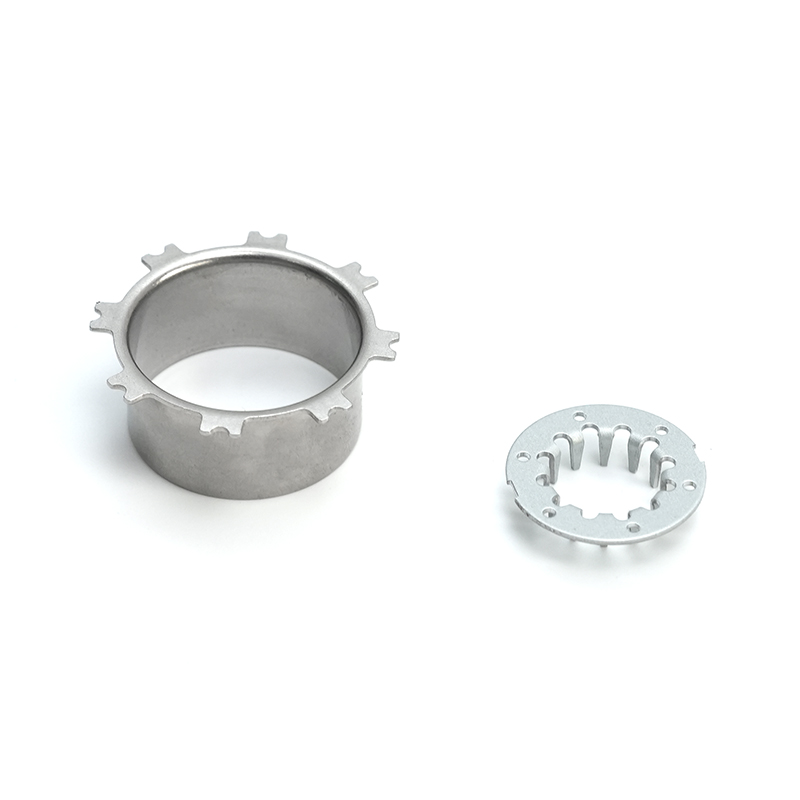
Effective oil management is a decisive factor in the performance and lifespan of modern powertrains. A stamped iron oil baffle serves as a precision-engineered barrier that channels lubrication exactly where it is needed while blocking unwanted fluid movement. Through advanced metal stamping techniques, these baffles deliver consistent oil distribution, reduce aeration, and prevent oil starvation under dynamic operating conditions. Selecting a skilled manufacturing partner with deep expertise in metal forming ensures that every stamped iron oil baffle meets rigorous performance specifications, contributing directly to system reliability and extended service life.
Precision Stamping Processes
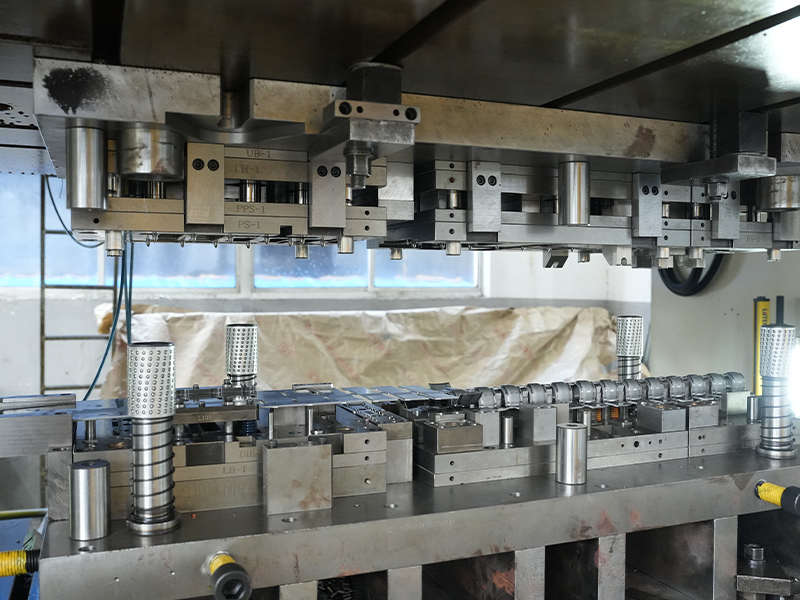
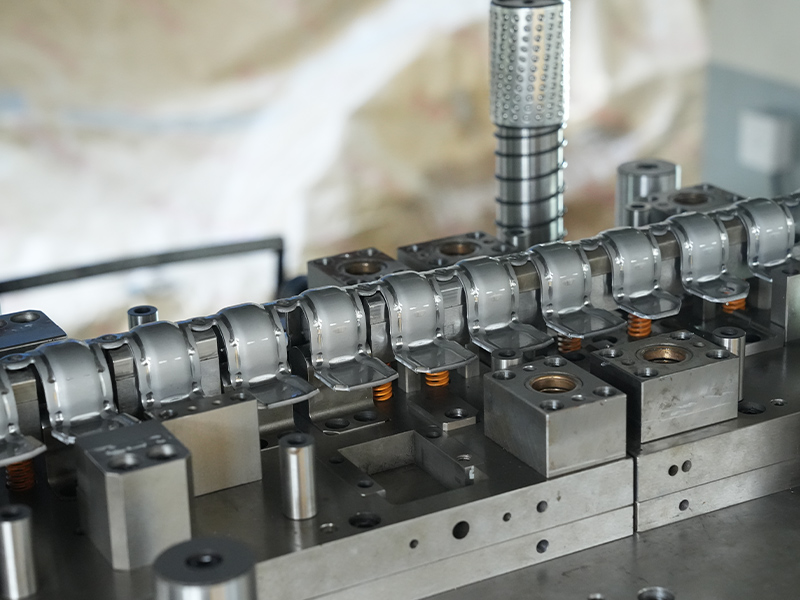
The production of a stamped iron oil baffle relies on a sequence of carefully controlled metal forming operations. High-strength iron sheet is transformed through deep drawing, bending, and precision cutting, which together enable the creation of complex three-dimensional geometries with tight dimensional tolerances. Deep drawing shapes the flat blank into a contoured profile without compromising material integrity. Bending operations form flanges, ribs, and mounting features that secure the baffle within an engine or transmission housing. Precision cutting trims the perimeter and punches holes for oil passages and fasteners, ensuring a drop‑in fit during assembly.
Metal stamping offers high‑speed, cost‑effective production while maintaining exceptional consistency across large volumes. The table below summarizes the core processes and their roles.
| Process | Function | Typical Tolerance Achieved |
|---|---|---|
| Deep Drawing | Forms oil pockets and recesses | ±0.1 mm |
| Bending | Creates mounting flanges and guide edges | ±0.15 mm |
| Precision Cutting | Trims contour and punches oil slots | ±0.05 mm |
Oil Control and System Protection
A stamped iron oil baffle plays a central role in maintaining a stable oil reservoir. In wet‑sump engines, for example, it prevents oil from climbing the crankcase walls during hard cornering or sudden acceleration, which could momentarily expose the oil pickup to air and cause pressure loss. By restricting surge, the baffle helps sustain continuous lubrication to bearings and valvetrain components even under extreme driving conditions. In transmission systems, the baffle directs fluid away from rotating gears to minimize churning losses and foaming, preserving shift quality and thermal stability.
The shape and placement of louvers, slots, and trap doors are engineered using computational fluid dynamics to match the oil return path of a specific engine or gearbox. This tailored design reduces windage, cuts parasitic drag, and can contribute to a measurable improvement in fuel efficiency and component life.
Material Integrity and Quality Management
The demanding environment inside an engine requires iron sheet with high tensile strength and excellent fatigue resistance. The stamped iron oil baffle is produced from carefully selected cold‑rolled steel grades that withstand sustained vibration and thermal cycling without cracking. To guarantee part integrity, manufacturers implement a complete quality management system that covers incoming material inspection, in‑process dimensional checks, and final surface finish verification.
A facility such as Changzhou Dingjia Metal Technology Co., Ltd. demonstrates this commitment with a plant area of 5400 m², expanded by an additional 1500 m² in 2024, and a registered capital of 19 million yuan. The company’s quality system has earned broad industry recognition, ensuring that every stamped iron oil baffle leaving the production line delivers the required structural integrity and dimensional accuracy.
Custom Engineering and Supplier Expertise
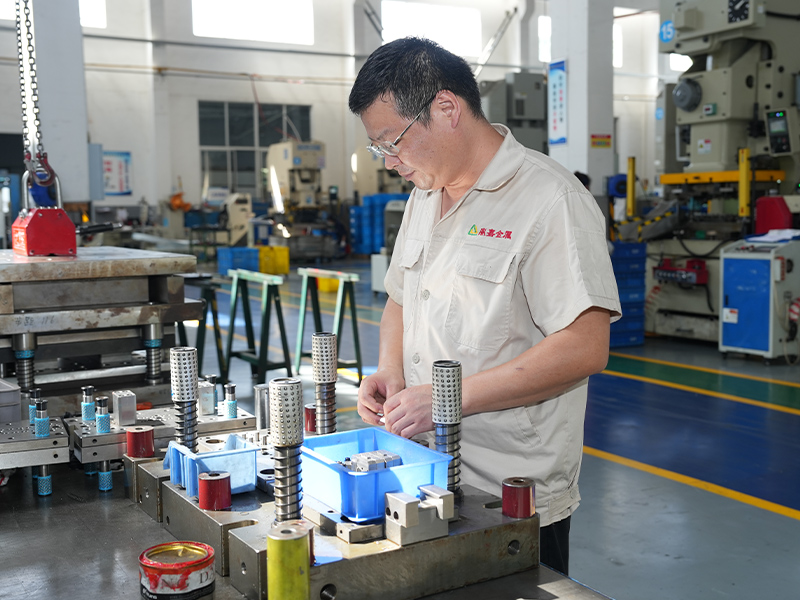
Off‑the‑shelf baffles rarely satisfy the space and performance constraints of a unique powertrain layout. Custom stamped iron oil baffle solutions begin with collaborative design review and rapid tooling development. Changzhou Dingjia Metal Technology Co., Ltd. specializes in the design, assembly, and maintenance of precision metal molds, providing a vertically integrated path from concept to series production. Their engineering team works with complex deep‑draw geometries and multi‑stage progressive dies to produce baffles that match exact installation envelopes and oil flow targets.
The company’s location in Xueyan Town, Wujin District, Changzhou City—adjacent to Taihu Lake, approximately 59 km from Changzhou Benniu International Airport and 220 km from Shanghai Pudong Airport—enables efficient logistics for both domestic and international clients. With a track record of partnering with many well‑known enterprises in the automotive, electronics, and medical machinery sectors, the supplier combines technical depth with reliable delivery performance.
Applications Across Key Industries
While the stamped iron oil baffle is most closely associated with automotive engines and transmissions, its utility extends into other fields where controlled fluid distribution is critical. In high‑voltage electronic enclosures, iron baffles separate cooling oil compartments and direct dielectric fluid flow to prevent hotspots. In medical machinery, similar stamped baffles manage lubricant circulation in precision pumps and compressors, supporting hygienic and maintenance‑friendly designs. The common thread across all applications is the need for consistent, burr‑free stamped parts that perform without failure over millions of cycles.
Long‑Term Value of Precision‑Stamped Iron Baffles
Investing in a high‑quality stamped iron oil baffle pays dividends through reduced warranty claims, fewer oil‑related failures, and lower assembly line reject rates. The repeatability of the metal stamping process eliminates part‑to‑part variation, while the inherent strength of iron provides a robust frame that resists deformation under pressure pulses. When manufactured by a supplier with a proven quality management framework and in‑house mold design capability, the stamped iron oil baffle becomes a cornerstone of dependable oil system performance.