简体中文
简体中文
 English
 عربى
عربى
Content
Starting with a Peculiar Structure
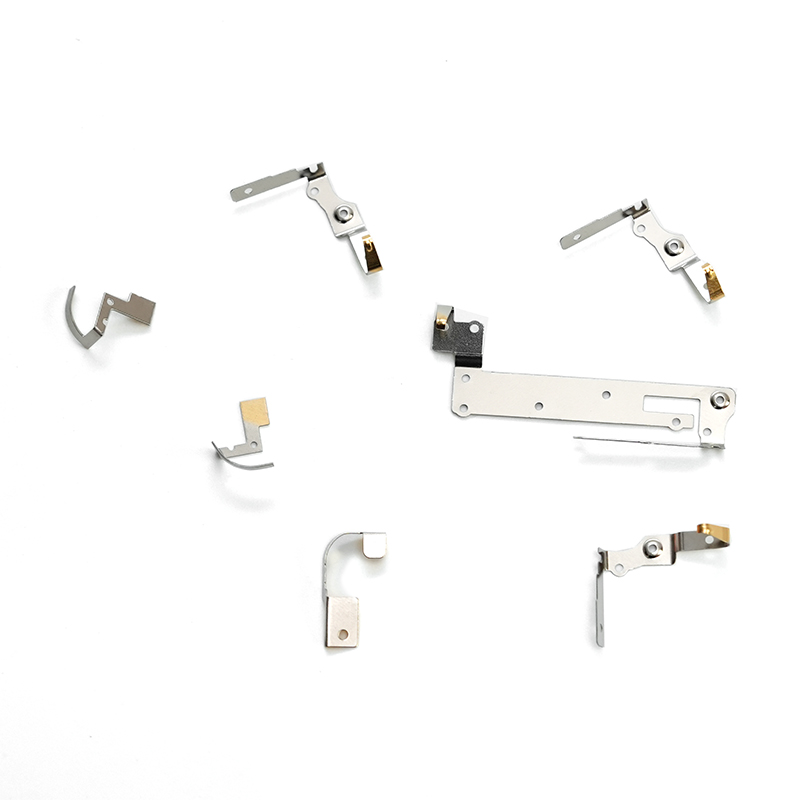
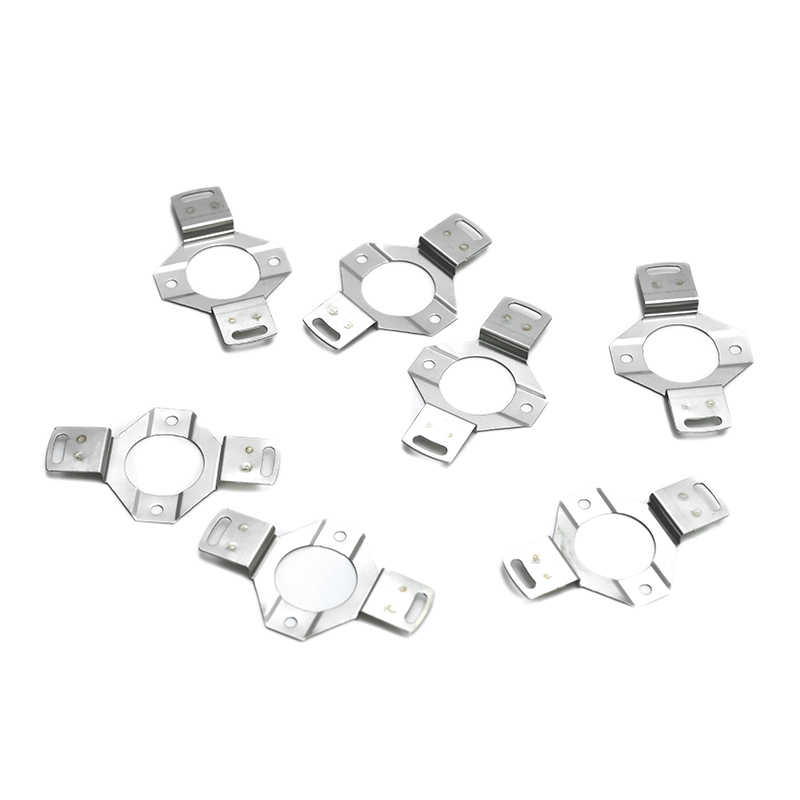
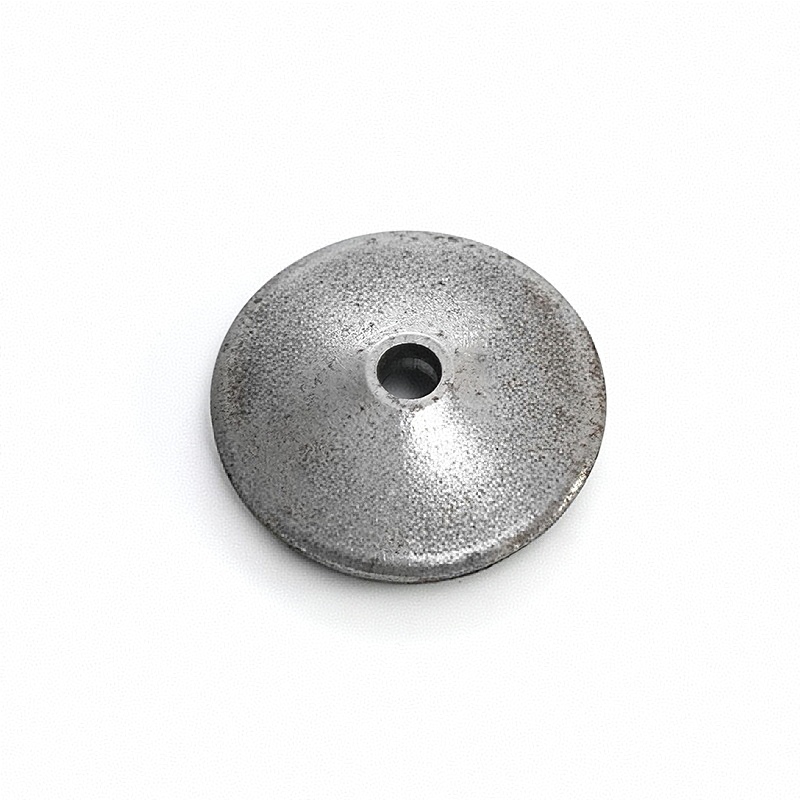
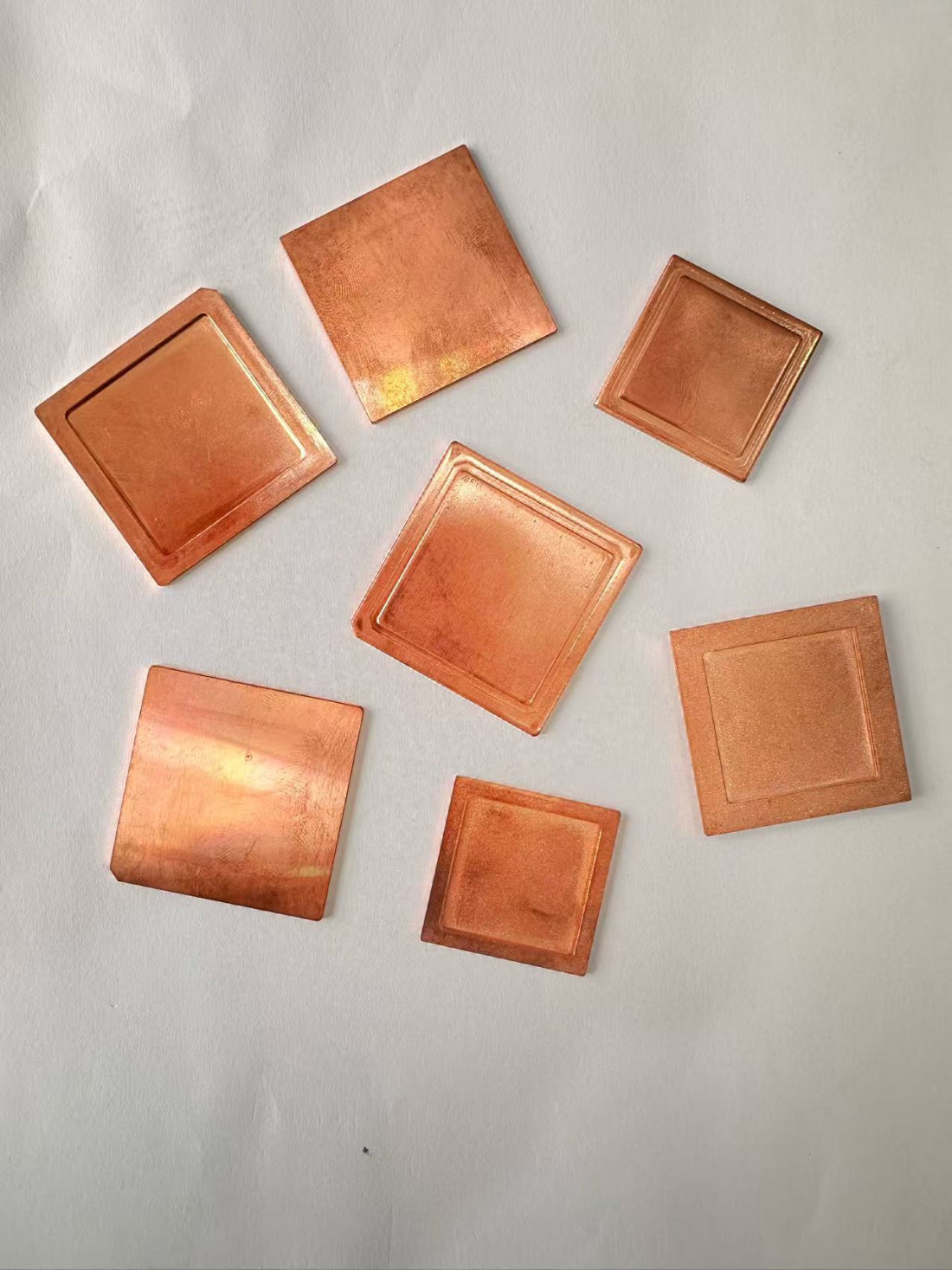
If you were to open up a smartphone or laptop and look closely at the motherboard, you would likely spot a curious metal component: recessed in the middle, flat around the edges, clamped tightly over a specific area of the circuit board — almost like a custom-fitted "cap" placed over a tiny chip. This unassuming metal cover is known as an CPU Heat Sink.
Its shape is anything but arbitrary. The recessed center provides space for the chip itself along with the surrounding discrete components (resistors, capacitors, inductors, etc.), while the flat surrounding edge is designed to mate tightly with a pre-installed shielding fence on the circuit board — through soldering or clip-fitting — forming a nearly sealed metal "enclosure" around that specific region.
Why Shielding Cans Are Needed: The Invisible Threat of Electromagnetic Interference
Modern electronic devices pack in an ever-growing number of high-frequency, high-speed circuits — RF modules, Wi-Fi/Bluetooth chips, GPS modules, 5G communication units, and more. These components emit electromagnetic waves during operation and are also vulnerable to interference from external electromagnetic waves — a phenomenon known as Electromagnetic Interference (EMI).
EMI creates problems in two main directions:
• Outward radiation: High-frequency chips emit electromagnetic waves during operation, which can interfere with other sensitive circuits within the same device (such as camera modules, microphones, or display driver circuits), and may also cause the device's overall electromagnetic emissions to exceed regulatory limits, preventing it from passing mandatory certifications like FCC or CE.
• Inward susceptibility: Signals from RF modules and GPS modules are inherently weak, making them easily overwhelmed by electromagnetic noise generated externally or by other components within the device — leading to signal distortion, packet loss, inaccurate positioning, or degraded call quality.
On the densely packed motherboards of smartphones and tablets, where chips are crammed close together, the risk of signal crosstalk is further amplified. The shielding can exists precisely to resolve this conflict.
Why Copper: Conductivity Is the Core Factor
The shielding effectiveness of a shielding can fundamentally depends on the material's ability to reflect and absorb electromagnetic waves — both of which are closely tied to the material's electrical conductivity. According to electromagnetic shielding theory, the higher a material's conductivity, the greater its reflection loss against electromagnetic waves (especially at high frequencies), resulting in better shielding effectiveness.
Copper is among the most electrically conductive engineering metals available, with its conductivity defined as 100% under the International Annealed Copper Standard (IACS) — the industry-recognized benchmark for conductivity. By comparison:
• Aluminum has a conductivity of roughly 61% IACS
• Stainless steel typically falls below 3% IACS
For this reason, copper alloys (such as phosphor bronze, brass, and beryllium copper) have become the material of choice for high-performance CPU Heat Sinks. Copper also offers excellent ductility, making it suitable for forming complex recessed geometries through stamping and drawing processes. In addition, copper surfaces can be treated with nickel or tin plating to further enhance corrosion resistance and solderability.

Working Principle: An Electromagnetic Wall
The shielding mechanism of an EMI can be broken down into three layers of action:
1. Reflection loss: When electromagnetic waves reach the surface of a highly conductive metal shield, the large mismatch between the metal's wave impedance and that of free space causes most of the wave energy to be reflected away, preventing penetration.
2. Absorption loss: The small portion of electromagnetic energy that does penetrate the metal induces eddy currents within the conductor. The heat generated by these eddy currents — a result of the skin effect — dissipates the remaining wave energy.
3. Multiple-reflection loss: For thinner shielding materials, electromagnetic waves may bounce back and forth between the two interfaces of the shield multiple times, further attenuating the signal.
Together, these three mechanisms ensure that the chip inside the shielding can is protected from external electromagnetic interference, while the electromagnetic waves it generates are contained within the enclosure, preventing them from leaking out and disturbing neighboring circuits.
Typical Applications
Thanks to their thin, highly integrated design, CPU Heat Sinks have become a standard component across consumer electronics and communication equipment, widely used in:
• Smartphones and tablets: Used to shield RF modules, Wi-Fi/Bluetooth chips, and power management ICs — a key factor in ensuring stable call quality and wireless transmission.
• Laptops: Shields wireless network card modules and high-frequency motherboard circuits, reducing interference with nearby displays and camera modules.
• GPS and navigation devices: Since GPS signals are inherently extremely weak, shielding cans effectively prevent noise from other circuits from degrading positioning accuracy.
• 5G base stations and network equipment: The high-frequency (millimeter-wave) bands used in 5G are especially sensitive to electromagnetic interference, so RF front-end modules in base stations commonly rely on high-performance shielding cans to preserve signal integrity.
• Automotive electronics: With the growing adoption of ADAS (Advanced Driver Assistance Systems), onboard radar, and autonomous driving control units, electromagnetic compatibility (EMC) requirements in automotive systems have risen sharply — driving broader use of shielding cans in millimeter-wave radar modules and domain controllers.
• Wearables and IoT devices: Smartwatches, TWS earbuds, and other compact devices also rely on shielding cans to maintain stable Bluetooth connectivity.
Key Considerations in Design and Manufacturing
Though small, shielding cans involve a number of important engineering trade-offs in their design and production:
• One-piece vs. two-piece construction: One-piece shielding cans are formed as a single unit, offering better shielding performance but making repairs difficult. Two-piece designs (a fixed shielding fence plus a removable cover) allow for easier rework and testing, and are the more common choice on smartphone motherboards today.
• Grounding and bonding: The shielding can must maintain a solid, continuous electrical connection to the circuit board's ground layer. Any gap or poor contact becomes a potential leak point for electromagnetic energy.
• Ventilation and thermal design: Some shielding cans require ventilation holes or thermally conductive materials to balance shielding effectiveness with the chip's heat dissipation needs.
• The trend toward ultra-thin designs: As devices like smartphones continue to get thinner, shielding cans must also shrink in thickness — placing higher demands on material strength and stamping precision.
Conclusion
The CPU Heat Sink may be an unassuming metal component on a circuit board, but it plays a critical, behind-the-scenes role in keeping modern electronic devices' signals clean and communications stable. From its clever recessed-and-flat structure to the deliberate choice of copper for its superior conductivity, every design detail serves a single purpose: building a reliable electromagnetic defense wall around sensitive chips in a very small space. As demands for electromagnetic compatibility continue to grow across 5G, automotive electronics, and IoT, shielding can technology will keep evolving toward thinner, lighter designs with ever-greater shielding effectiveness.