Content
Salt spray, road moisture, engine heat cycles — most automotive brackets fail not because they bend, but because they rust. A structural crack you can see is caught quickly. Corrosion that spreads quietly under a coating is another matter entirely. That's why the choice of bracket material is one of the most consequential decisions in both OEM production and aftermarket sourcing.
This guide covers what makes an automotive steel bracket genuinely corrosion-resistant, where these components are most critical, and what specifications actually matter when you're comparing suppliers.
What "Corrosion-Resistant" Actually Means in Automotive Steel
Not all anti-corrosion claims are equal. The term covers everything from a thin zinc electroplate to multi-layer phosphate treatments that bond at the molecular level with the steel substrate. The difference in service life between these approaches is measured in years, not months.
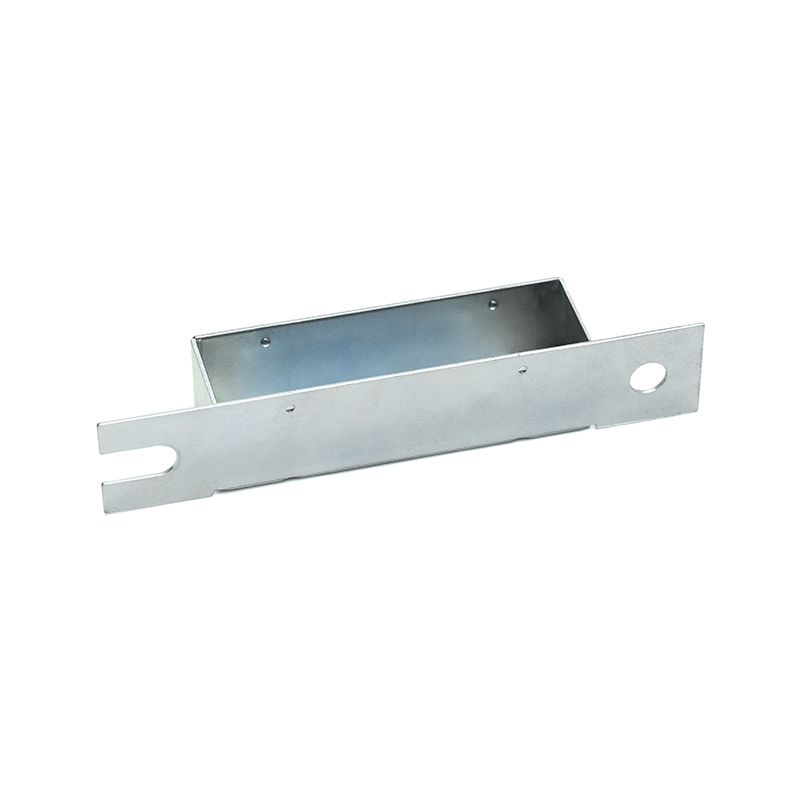
Automotive-grade corrosion-resistant steel brackets are typically built on a high-strength steel base and treated with a specialized anti-corrosion coating that must withstand both oxidation from moisture and chemical attack from road salts and exhaust gases. The coating's job isn't just cosmetic — it preserves the bracket's load-bearing geometry over the component's full service life.
A corrosion-resistant automotive steel bracket engineered for demanding applications needs to pass salt-spray chamber testing that simulates years of real-world exposure. Research comparing cataphoretic coatings, hot-dip zinc, and thermo-diffusion zinc on automotive steel components confirms that zinc-based coatings consistently outperform paint systems by a significant margin in salt-chamber corrosion resistance — a critical data point when specifying under-body and exhaust-adjacent parts.
The Bracket Locations Where Corrosion Strikes Hardest
Not every bracket faces the same environment. Understanding exposure zones helps you prioritize specification requirements:
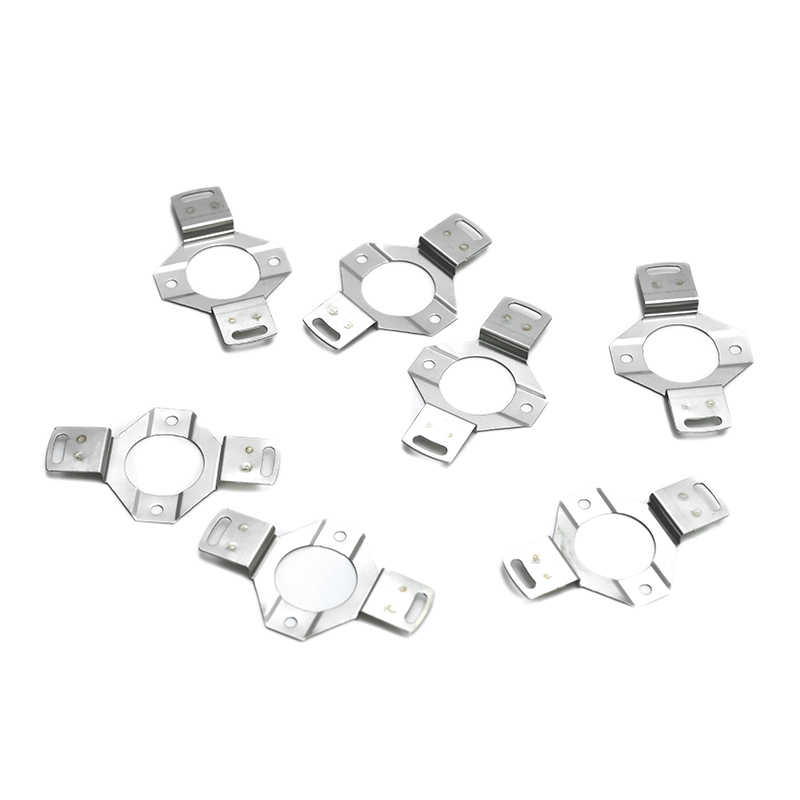
- Underbody and suspension frames — direct exposure to road spray, de-icing salts, and standing water. Brackets here need maximum coating integrity and high base-metal tensile strength to handle combined corrosive and mechanical stress.
- Exhaust system brackets — thermal cycling creates micro-expansion and contraction that can crack weaker coatings. The bracket material must maintain dimensional stability across temperature ranges that can swing from −30°C to over 400°C near catalytic converter housings.
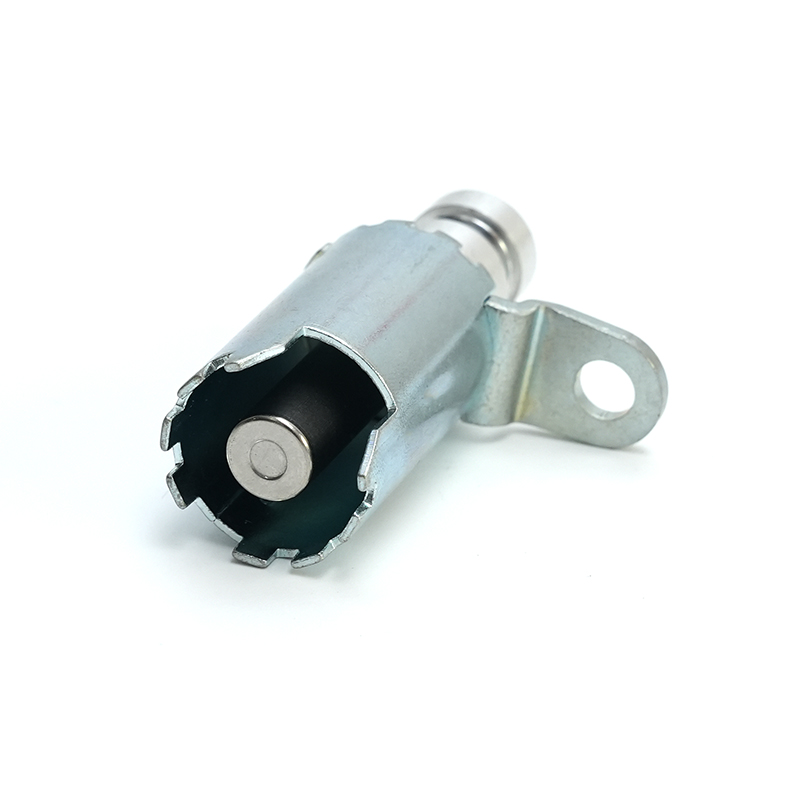
- Engine compartment mounting brackets — exposure to oil mist, coolant splash, and vibration. The bracket's fatigue resistance under continuous vibration is just as important as its surface protection.
- Door and body structure brackets — lower thermal stress but long-term humidity exposure; coating adhesion to the steel substrate determines whether surface rust starts within 2 years or 15 years.
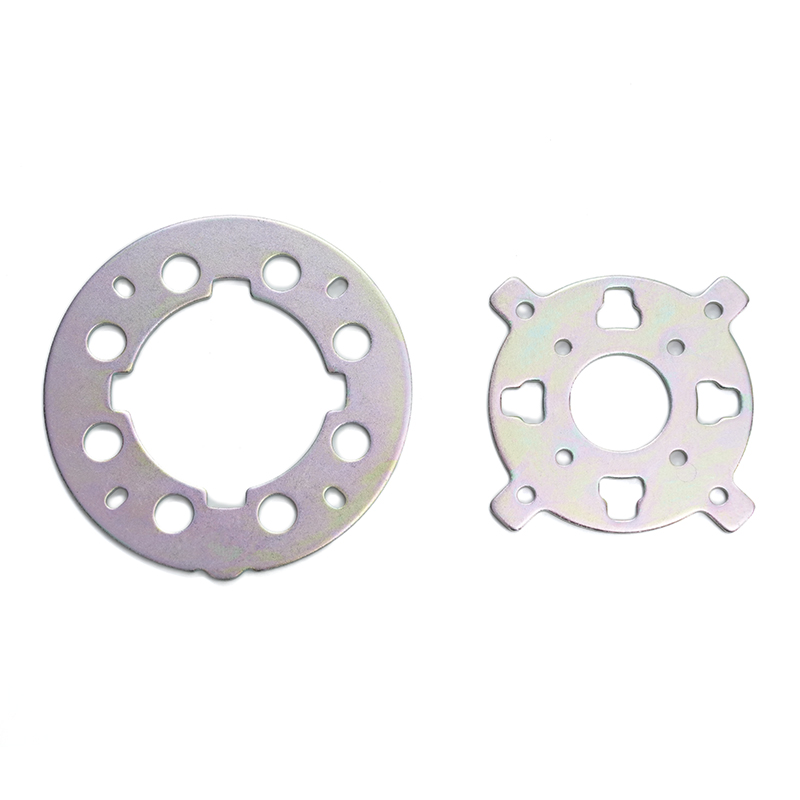
For a broader look at how automotive steel stamping parts support vehicle structural systems, including chassis and drivetrain applications, the engineering considerations extend well beyond bracket selection alone.
Key Specifications to Verify Before You Order
When reviewing a supplier's bracket specifications, four parameters separate a durable component from one that looks acceptable on paper but fails prematurely in the field:
- Salt spray hours — ASTM B117 testing to 500 hours minimum for under-body applications; 1,000+ hours for marine-adjacent environments. Ask for the test report, not just the claim.
- Coating thickness and adhesion method — electroplated zinc typically reaches 5–12 µm; hot-dip galvanizing achieves 45–85 µm. The bonding mechanism (mechanical vs. metallurgical) determines how well the coating holds under flex and impact.
- Base steel grade and tensile strength — high-strength low-alloy (HSLA) steels used in automotive applications typically offer yield strengths between 350–700 MPa, allowing thinner wall sections without sacrificing load capacity.
- Dimensional tolerance — precision stamping should hold tolerances to ±0.1 mm or tighter for mounting-critical geometry. Brackets that drift in dimension cause misalignment stress that accelerates coating failure at contact points.
Understanding how automotive steel stamping parts function within chassis and structural systems provides useful context for specifying the right strength grade and geometry for each mounting location.
OEM vs. Aftermarket: Does the Application Change the Specification?
For OEM production runs, the priority is consistency — identical parts stamped to the same tolerance across thousands of units, with documentation that supports automotive supplier audits. Anti-corrosion treatment must be verified batch by batch, not assumed.
For aftermarket replacement, the calculus shifts slightly. The replacement bracket must match the original mounting geometry precisely, but there's often an opportunity to upgrade the corrosion protection beyond the original specification — particularly on older vehicle platforms designed before modern coating technology was standard.
Either way, the fundamental requirement is the same: a bracket that doesn't corrode doesn't just last longer — it doesn't silently become a structural liability. Rust that compromises a suspension mounting point or exhaust hanger is a safety issue, not a cosmetic one.
What to Look for in a Stamping Supplier
Custom stamped brackets involve three variables: material selection, tooling precision, and surface treatment. A supplier that excels at one but not the others will still deliver a part that underperforms. The strongest sourcing decisions come from evaluating all three together.
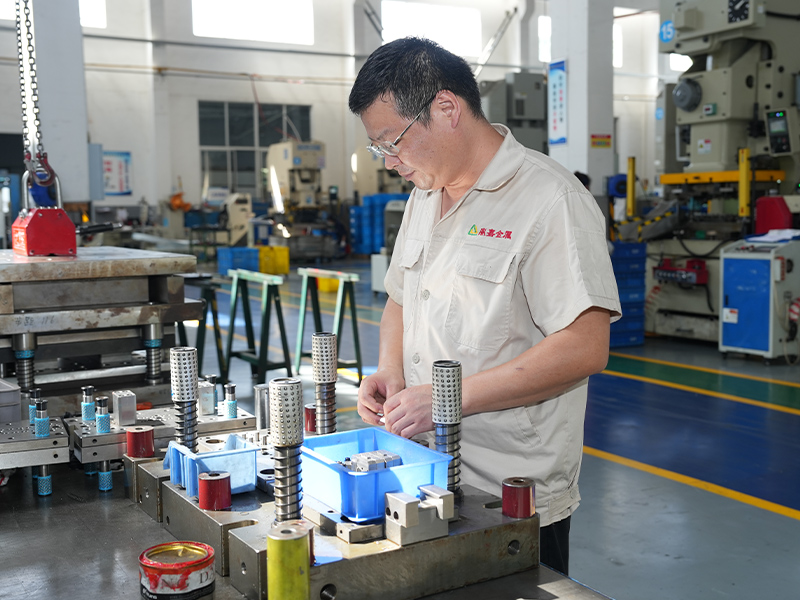
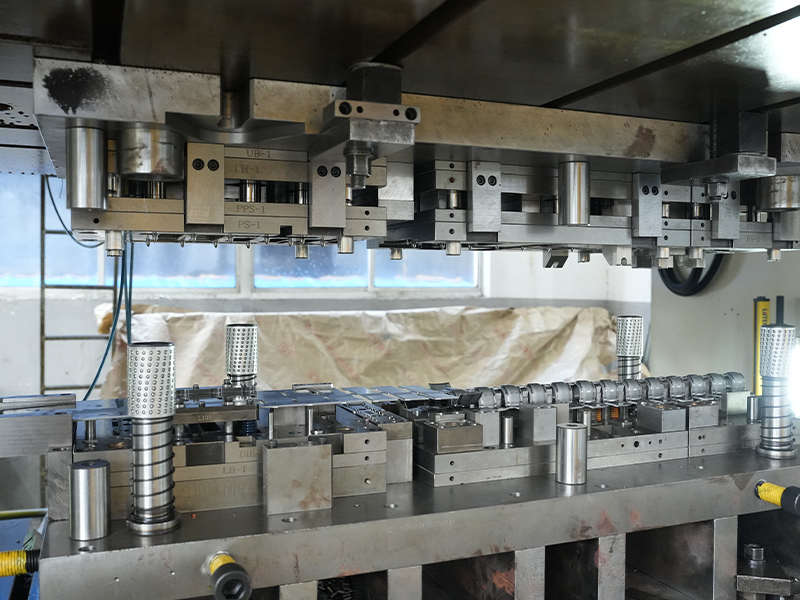
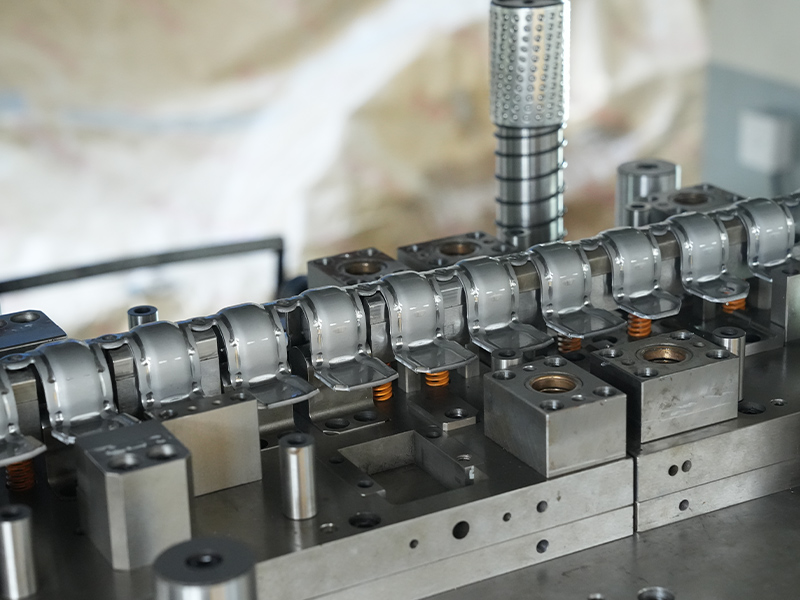
Look for manufacturers who use precision mold design and advanced stamping techniques that maintain dimensional accuracy across production volumes, apply corrosion coatings in-house or through verified partners with documented processes, and can provide test data — not just datasheets — for the specific coating system used on your part.
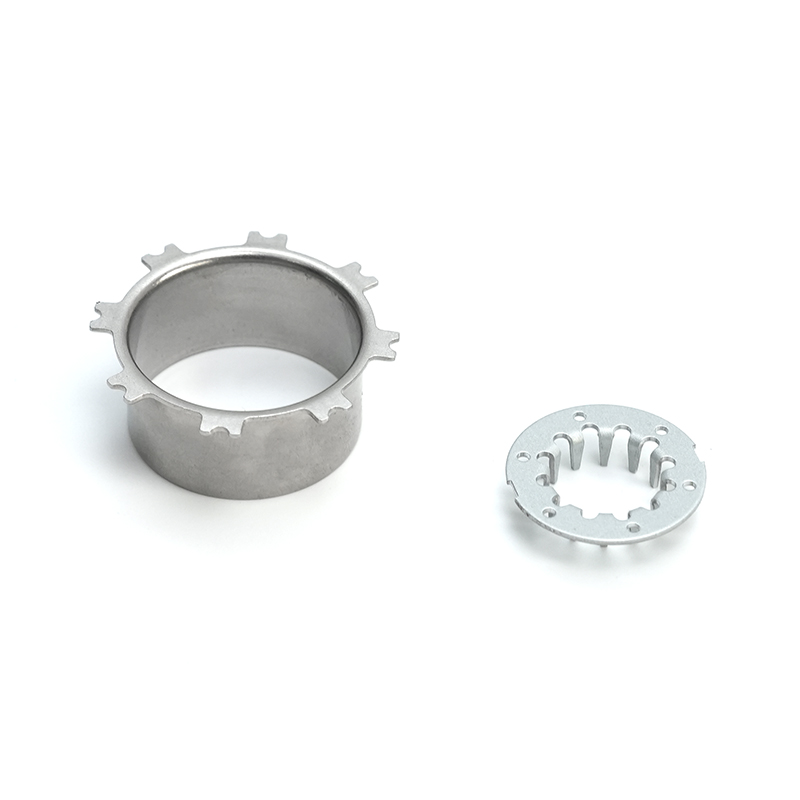
The range of stainless steel stamping parts for demanding automotive environments is also worth reviewing if your application requires inherent corrosion resistance at the base-metal level rather than relying entirely on surface treatment.
A bracket that holds its spec after a decade of road exposure is the one that justifies its cost. Anything less is just deferred maintenance.