Content
Copper conducts electricity at 100% IACS — the global benchmark every other metal is measured against. That single property explains why copper stamping parts show up in EV charging connectors, precision relays, solenoid valve pins, and bearing components across dozens of industries. If you're sourcing or specifying these parts, here's what actually matters.
What Are Copper Stamping Parts?
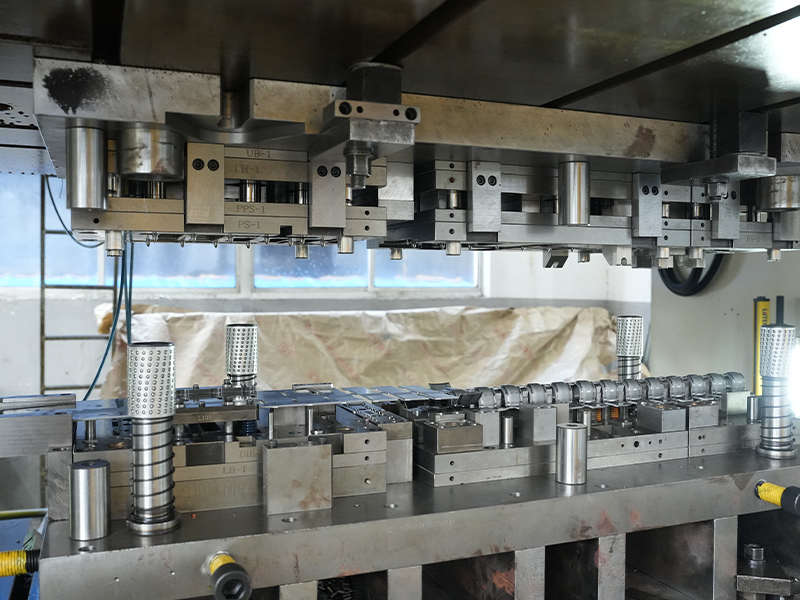
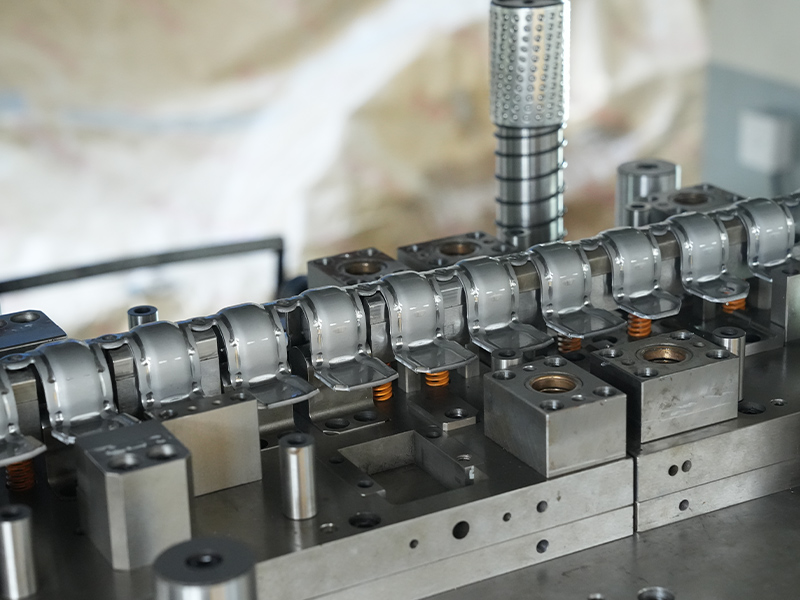
Copper stamping is a cold-working process: flat copper sheet or strip coil is fed into a press fitted with custom dies that blank, bend, pierce, coin, or draw the metal into finished components — all in a single or progressive sequence. The result is a high-precision part produced at scale, with tight dimensional tolerances and repeatable geometry that machining or casting can rarely match at the same cost per unit.
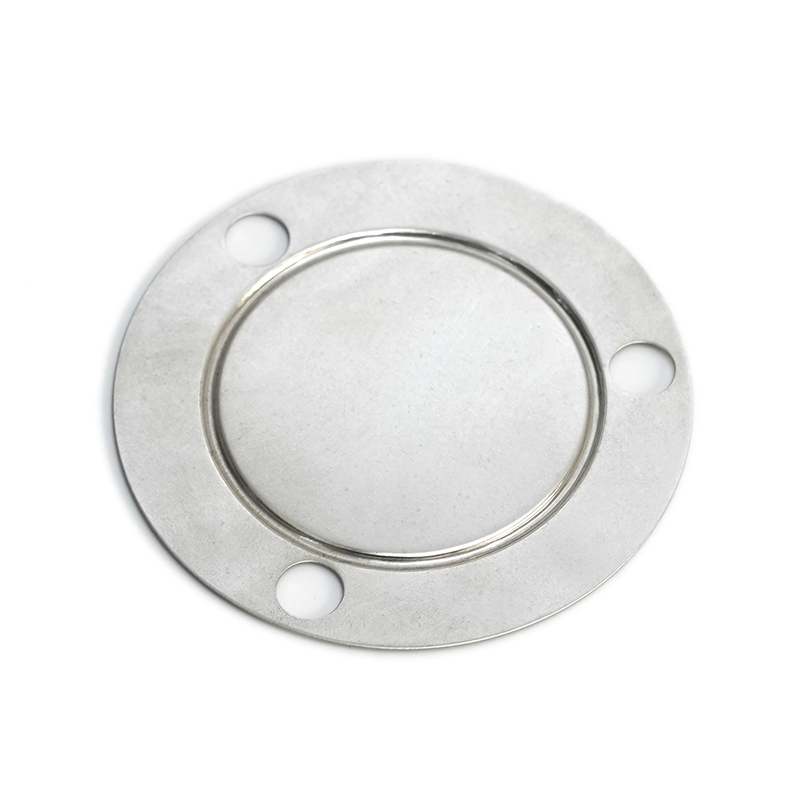
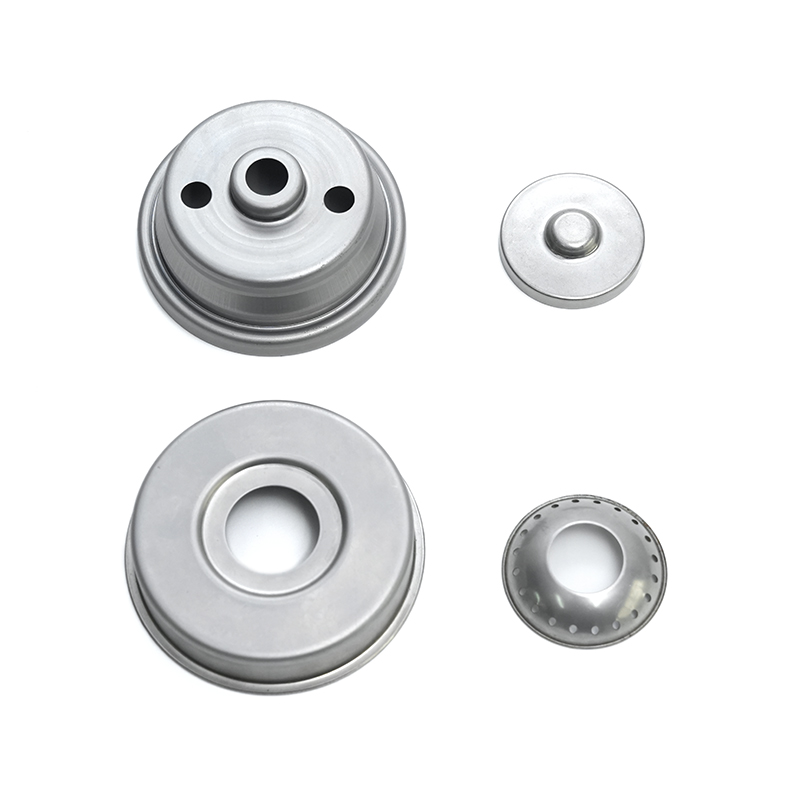
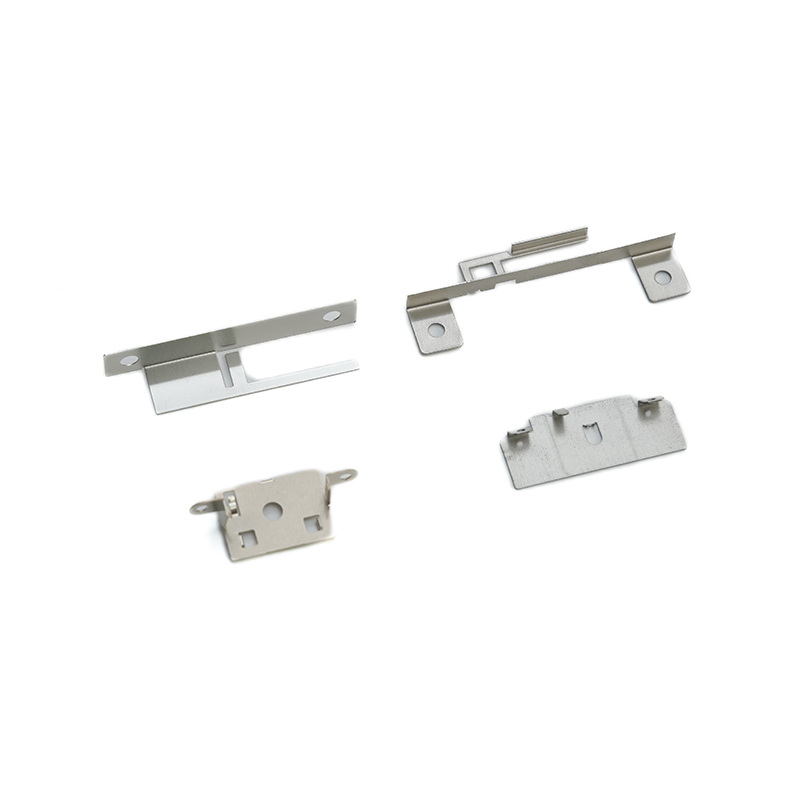
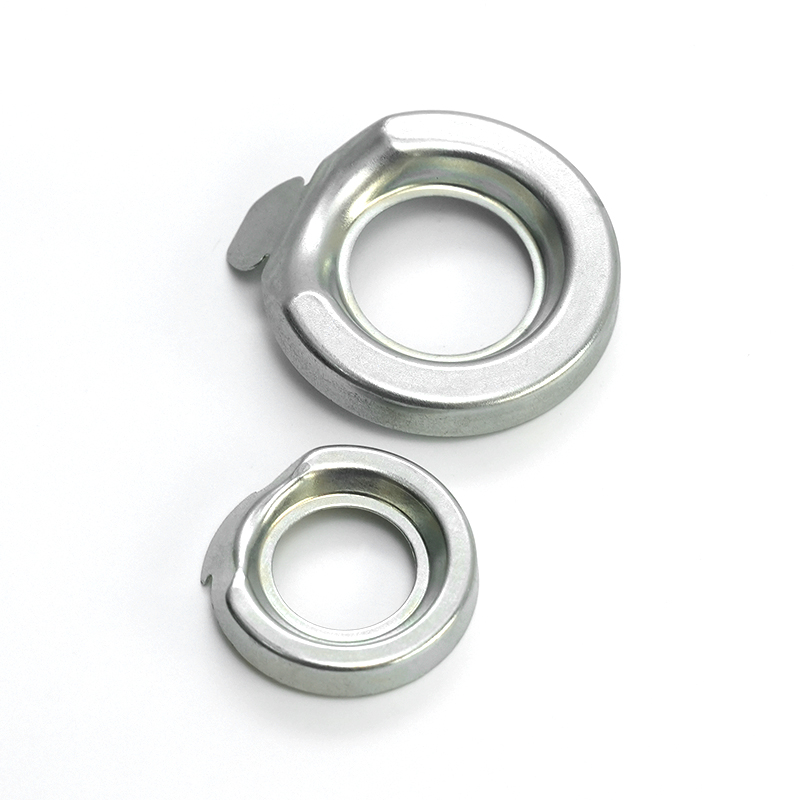
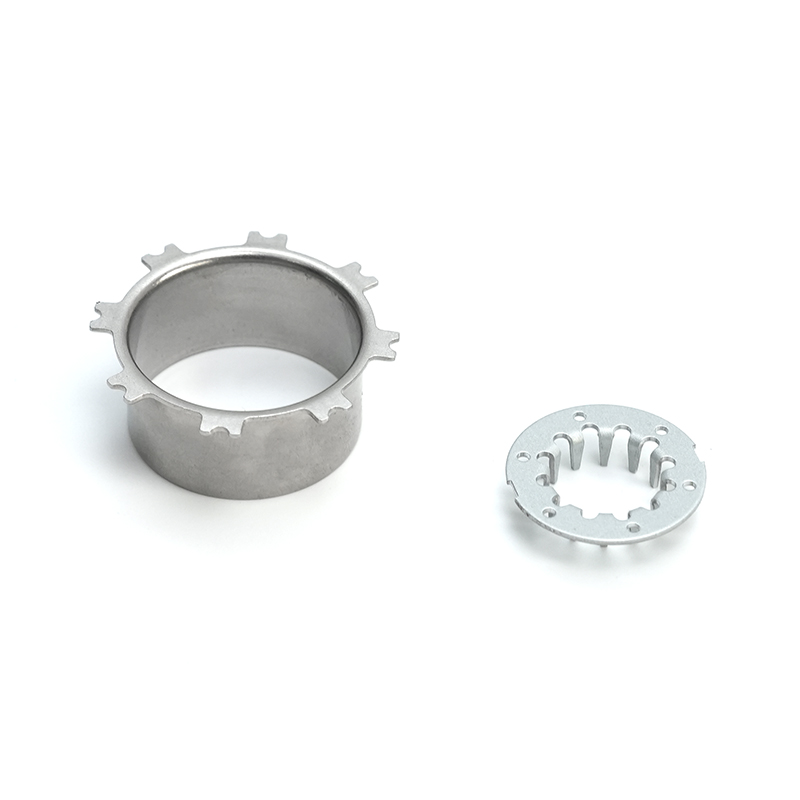
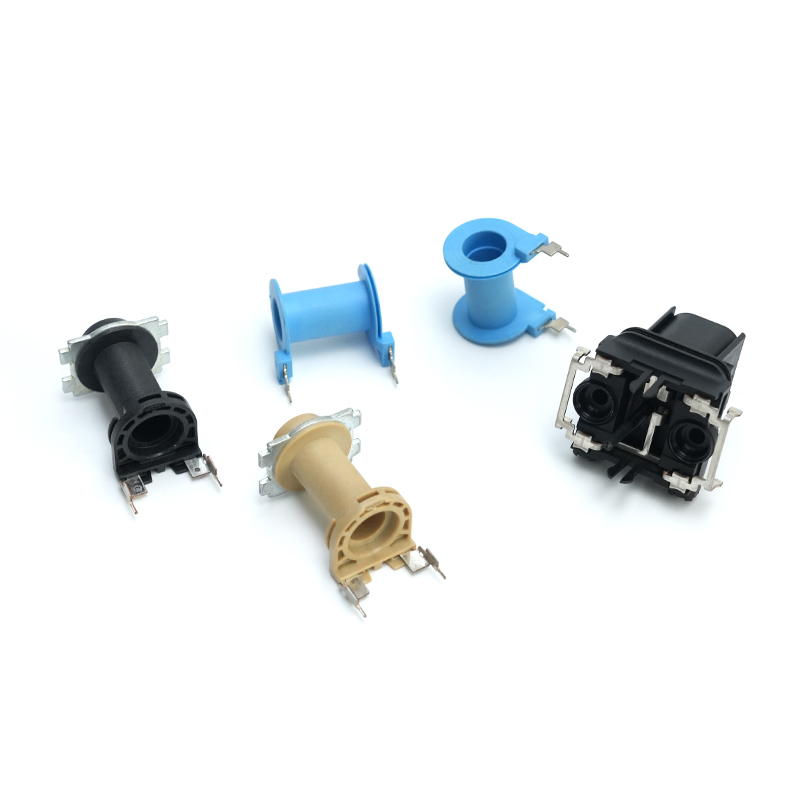
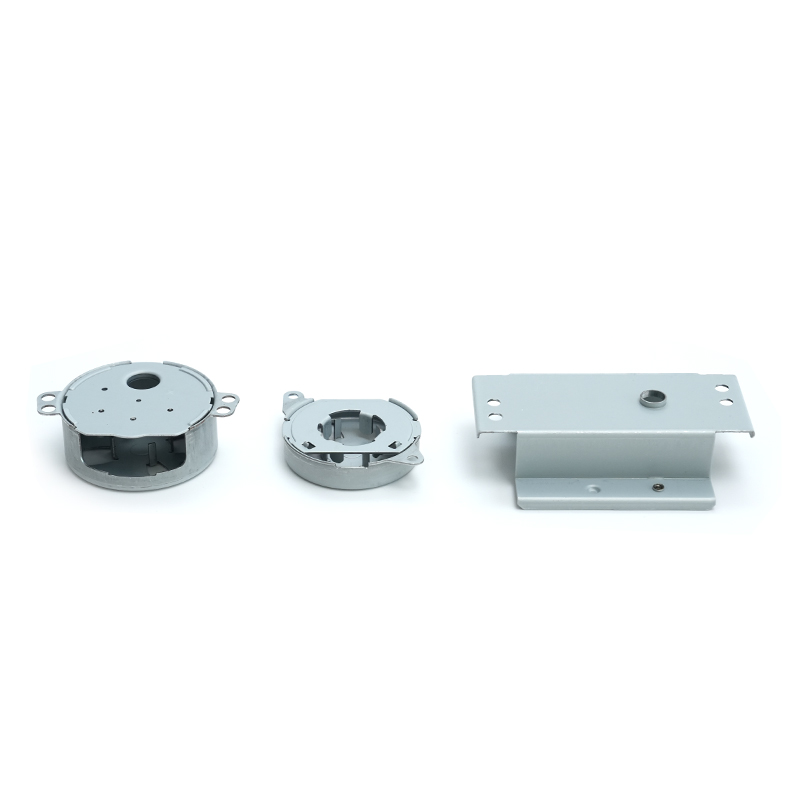
Common outputs include terminals, connectors, bearing cages, dust caps, bus bars, relay contacts, and plated pin assemblies. Because the process is largely automated, per-piece costs drop sharply as volumes climb — making stamping the default choice for production runs from tens of thousands to tens of millions.
Copper Alloy Selection: The Decision That Drives Everything
Not all copper stamping stock is the same. The alloy choice sets the ceiling on conductivity, springback behavior, corrosion resistance, and final cost. The four most common families:
| Alloy | Conductivity (% IACS) | Strength | Typical Applications |
|---|---|---|---|
| Pure Copper (C11000) | ≥ 100% | Low–Medium | Bus bars, grounding straps, EV connectors |
| Brass (C26000) | ~28% | Medium–High | Bearing dust caps, terminals, fastener components |
| Phosphor Bronze (C51000) | ~15–20% | High | Spring contacts, precision connectors, relay springs |
| Copper-Silver / Tinned Copper | 95–101% | Medium | Solenoid pins, EV charging plugs, tinned contact pins |
The rule of thumb: maximize conductivity only when it's the primary function. When mechanical load or spring retention matters — think connector housings or bearing retainers — trade some conductivity for a stronger alloy like phosphor bronze.
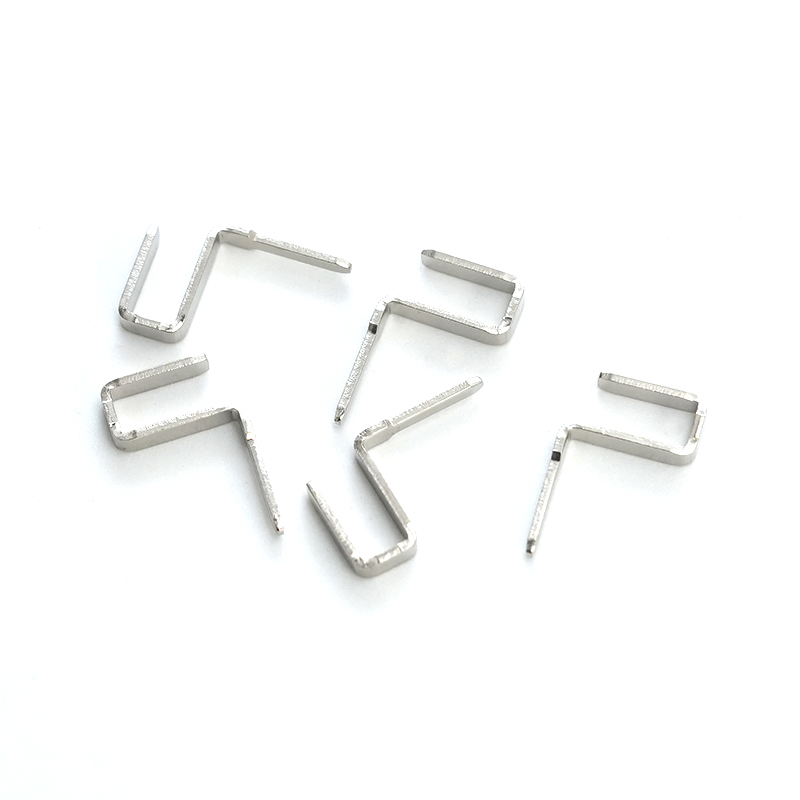
For example, precision brass bearing dust caps rely on brass's stiffness and corrosion resistance rather than its conductivity, while tinned copper solenoid valve pins pair near-pure conductivity with a tin surface layer for oxidation protection.
Surface Treatments: More Than a Finish
Raw copper oxidizes quickly. For most functional applications, a surface treatment is not cosmetic — it's structural. The three most common options:
- Tin plating — Blocks oxidation, preserves solderability, and is the go-to for electrical pin and connector assemblies operating in humid or corrosive environments.
- Silver plating — Pushes conductivity above bare copper and adds low contact resistance at elevated temperatures. Used in high-current EV charging plug applications and precision relay contacts.
- Nickel plating — Highest hardness and abrasion resistance. Chosen where wear matters more than conductivity — valve seats, bearing components, industrial connectors.
Copper-based plated stamping parts — including silver-plated EV charging connectors and tinned solenoid pin assemblies — represent a growing product category driven by electrification demand. The plating spec must be locked in at the design stage, since die geometry, blank thickness, and post-stamp annealing all interact with plating adhesion.
Key Design Rules to Avoid Scrap and Rework
Copper's softness makes it easy to form — but also easy to get wrong. A few rules experienced engineers follow:
- Minimum bend radius ≥ 1× material thickness for pure copper; tighter bends risk cracking and require annealing between passes.
- Avoid sharp internal corners on blanked features — corner radii of at least 0.3 mm reduce die wear and stress concentration in the part.
- Grain direction matters for spring-loaded contacts: bending parallel to the rolling direction weakens springback; 90° to grain is preferred for high-cycle flex applications.
- Scrap management is part of the cost model — copper prices fluctuate significantly, so progressive die layouts with tight nesting and clean carrier strips directly affect part cost.
For thin-walled structural components like copper thin-walled bearing cages, wall uniformity and circularity tolerances are especially critical — deviations affect bearing load distribution in service.
Industry Applications at a Glance
Electronics & Telecommunications: Terminals, lead frames, shielding clips, and press-fit pins dominate here. High-volume progressive die stamping makes per-piece costs viable even for sub-gram components.
Automotive & EV: Copper stamping is embedded throughout modern vehicles — from solenoid valve pins in transmission systems to silver-plated plugs in EV charging infrastructure. The shift to electrification is accelerating copper content per vehicle substantially.
HVAC & Industrial: Copper's thermal conductivity (~401 W/m·K) makes it a natural fit for heat exchanger components, valve internals, and pump pin assemblies where both heat dissipation and corrosion resistance are needed.
Renewable Energy: Bus bars and grounding components in solar inverters and wind turbine wiring rely on maximum-conductivity copper to minimize resistive losses at high currents.
What to Verify Before Placing an Order
A competent copper stamping supplier should be able to confirm five things upfront:
- Material certification — Mill test reports confirming alloy grade, temper, and conductivity value.
- Dimensional capability — Tolerance range achievable on your critical features (typically ±0.05 mm or tighter for precision electrical parts).
- Plating spec compliance — Plating thickness, adhesion testing method, and salt spray hours if corrosion resistance is a requirement.
- Die ownership and tooling lead time — Understand who owns the tooling and what modification rights you hold if you switch suppliers.
- Inspection documentation — PPAP, FAI, or equivalent first-article inspection report for critical dimensions.
Copper stamping is a mature, well-understood process. The gaps in quality almost always trace back to alloy substitution, plating shortcuts, or inadequate die maintenance — not the process itself. Ask for documentation on all three before committing to a production run.
For a broader view of nonferrous metal stamping part options — including aluminum and zinc alloy alternatives — it's worth comparing material properties against your specific load, conductivity, and budget requirements before locking in copper as the substrate.