Content
Why Aluminum Dominates Modern Stamping
Steel ruled stamping for decades. Then weight reduction became non-negotiable — in EVs, aerospace, and consumer electronics — and aluminum took over. At roughly one-third the density of steel, aluminum sheet metal can be stamped into brackets, housings, heat plates, and structural panels without the weight penalty. The result: parts that are lighter, corrosion-resistant, and ready for high-volume production at competitive cost.
The catch is that aluminum is not a single material. The alloy you choose determines whether your part holds its shape, survives the stamping die without cracking, and performs in the field for years. Getting that choice right is where most procurement decisions either succeed or fail.
Choosing the Right Alloy for Stamping Aluminum Sheet Metal
Three alloys cover the majority of industrial stamping projects. Here is how they compare:
| Alloy | Strength | Formability | Corrosion Resistance | Best For |
|---|---|---|---|---|
| 3003 | Low–Medium | Excellent | Good | Deep draw parts, heat exchangers, decorative components |
| 5052 | Medium | Good | Excellent (marine-grade) | Automotive panels, marine enclosures, electronics covers |
| 6061 | High | Limited (O-temper recommended) | Good | Structural brackets, aerospace parts, load-bearing components |
3003 is the default choice for deep drawing — its high elongation lets the sheet flow into dies without tearing, making it ideal for enclosures and cups. 5052 brings higher fatigue strength and genuine saltwater corrosion resistance, which is why automotive and marine applications favor it. 6061 is the structural workhorse, but it requires forming in O-temper condition and subsequent heat treatment to avoid cracking — something worth confirming with your manufacturer before committing to tooling.
For precision aluminum stamping parts used in EV charging systems and electronics, alloy selection directly affects thermal conductivity and surface finish after anodizing — two properties that are often overlooked until late in the design phase.
Key Stamping Processes and When to Use Each
Aluminum responds differently to stamping than steel. Its lower springback and softer surface require adjusted die clearances and lubrication strategies. The right process depends on part geometry and production volume:
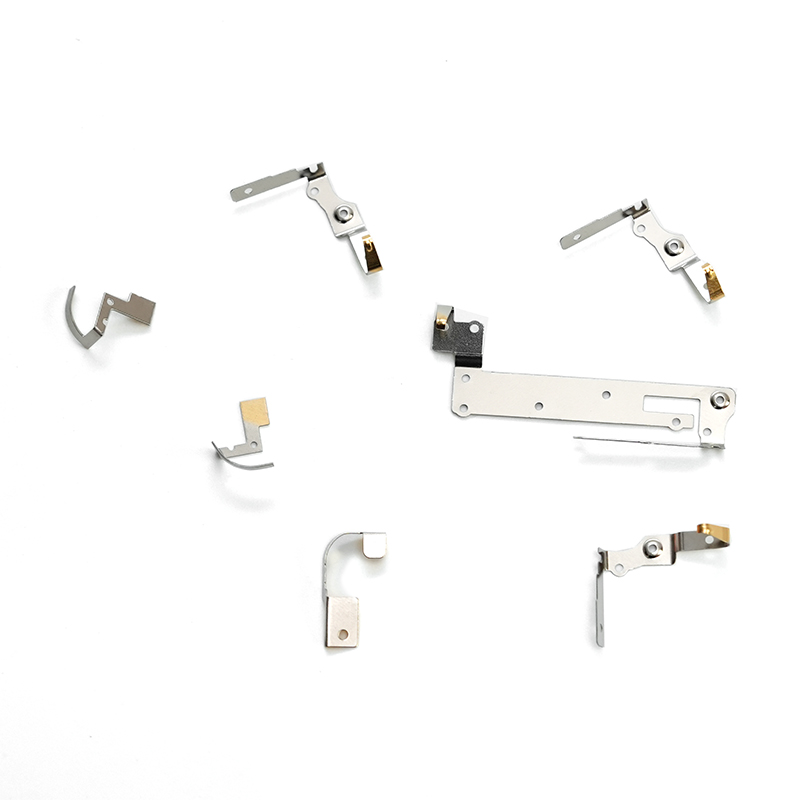
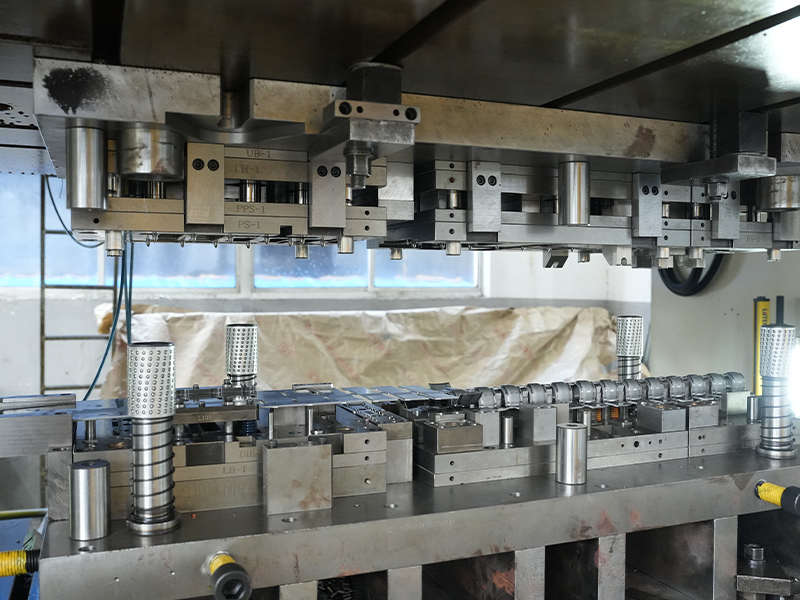
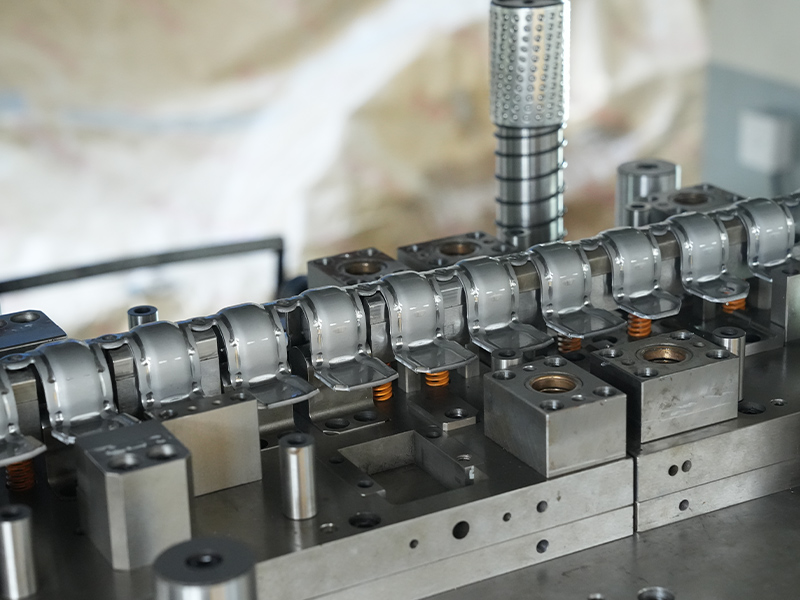
- Progressive die stamping — the sheet moves through multiple stations in a single press cycle, adding features at each step. Best for high-volume small parts where per-unit cost must be minimized.
- Deep draw stamping — pulls the sheet into a die cavity to create hollow forms with significant depth. Aluminum's flexibility makes it particularly well-suited here, especially with 3003 alloy.
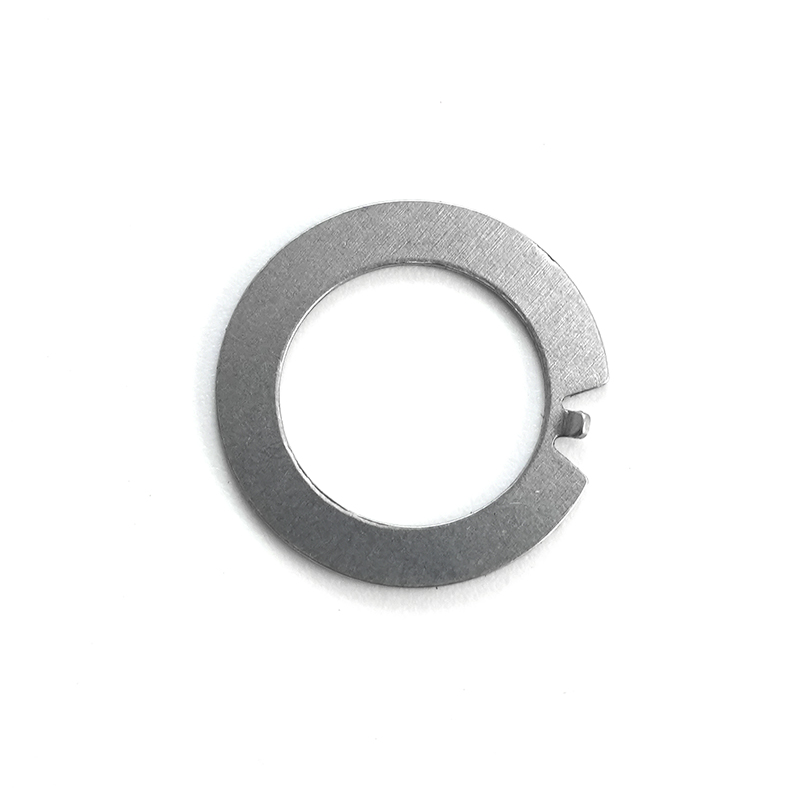
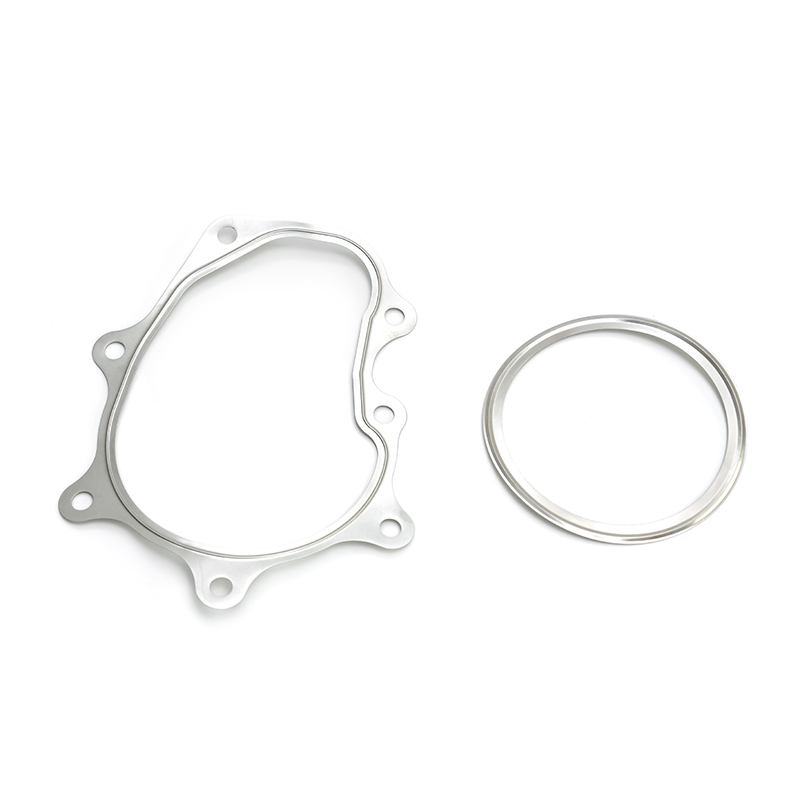
- Blanking and piercing — cuts flat shapes or punches holes with tight tolerances, typically ±0.05 mm or better. Used for connector housings, gaskets, and panel cutouts.
- Coining — applies high pressure to create sharp features and fine surface detail. Reduces springback and is often used in finishing stages for components with tight dimensional requirements.
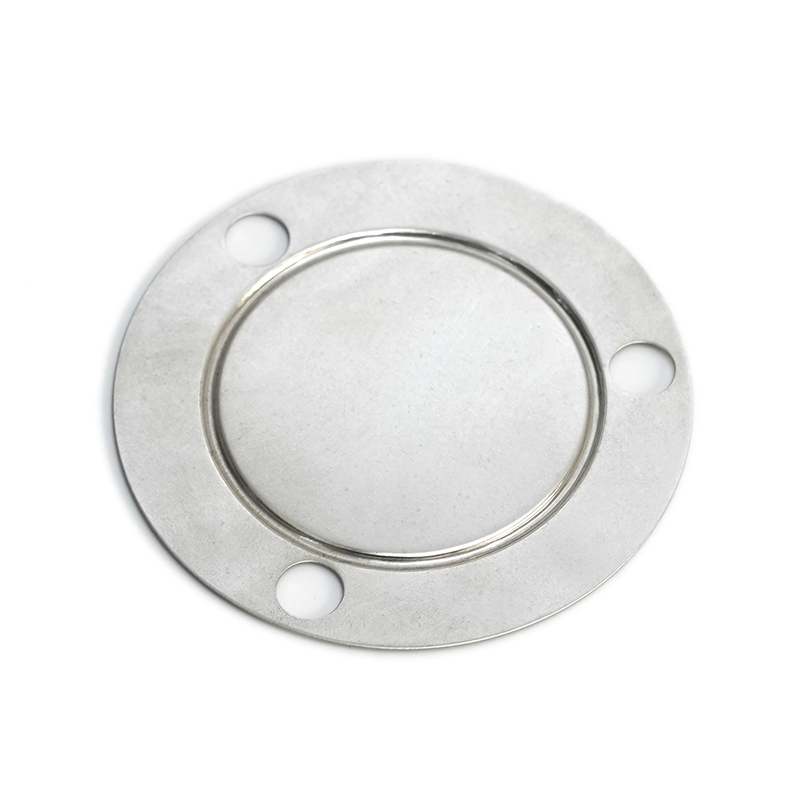
For complex assemblies, manufacturers often combine several of these operations in sequence. A stamped aluminum fan heat plate for EV charging plugs, for example, typically goes through blanking, forming, and surface treatment in a single production flow — with anodizing added to improve oxidation resistance under continuous thermal load.
Where Stamped Aluminum Parts Are Used
The industries below represent the highest-volume applications for stamped aluminum, and each has distinct requirements:
- Automotive and EV: Body brackets, heat shields, battery tray components, and charging pile plugs. Weight reduction here translates directly into driving range or fuel savings.
- Electronics: Connector housings, heat sinks, and EMI shielding covers. Dimensional consistency is critical — parts must fit assemblies that are often manufactured on a different continent.
- Aerospace: Structural frames, seat adjustment components, and interior panel supports. Tolerances are strict and material certifications are mandatory.
- Medical devices: Enclosures and mounting hardware where corrosion resistance and cleanability matter more than cost.
The aluminum alloy stamping parts used in these sectors often require secondary processes: deburring, anodizing, powder coating, or chromate conversion. These surface treatments are not cosmetic — they protect the part from galvanic corrosion when aluminum is fastened to steel or copper components.
What to Verify Before Placing an Order
Sourcing stamped aluminum parts from a new supplier carries real risk if you skip qualification. These are the four questions that matter most:
- Tolerances: Can the supplier hold ±0.05 mm on critical dimensions, and do they have measurement reports to prove it? Ask for a first article inspection (FAI) report on the first production run.
- Tooling ownership: Who owns the dies if you switch suppliers? Tooling costs for aluminum stamping range from a few thousand to tens of thousands of dollars depending on complexity — that investment should remain yours.
- Material certification: Request the mill certificate for the aluminum coil. Alloy substitution (3003 shipped as 5052, for example) is a common cost-cutting move that destroys part performance.
- Surface finish compatibility: If the part will be anodized, the alloy must be appropriate — 6063 and 5052 anodize cleanly; 6061 with high silicon content can produce mottled results.
Working with an established manufacturer who covers the full range of non-ferrous metal stamping — aluminum, copper, and zinc alloys — simplifies qualification because a single quality system governs all material types. It also reduces logistics complexity when a project calls for mixed-material assemblies.
The Bottom Line on Aluminum Stamping
Aluminum stamping is not inherently complicated, but the decisions made at the design stage — alloy, temper, process type, and surface treatment — determine whether the final part performs as intended or creates warranty issues down the line. Start with the alloy selection, match it to the forming process your geometry requires, and verify supplier capability with documented quality data before full production begins. That sequence rarely fails.