Understanding Stainless Steel Stamping Parts in Modern Manufacturing
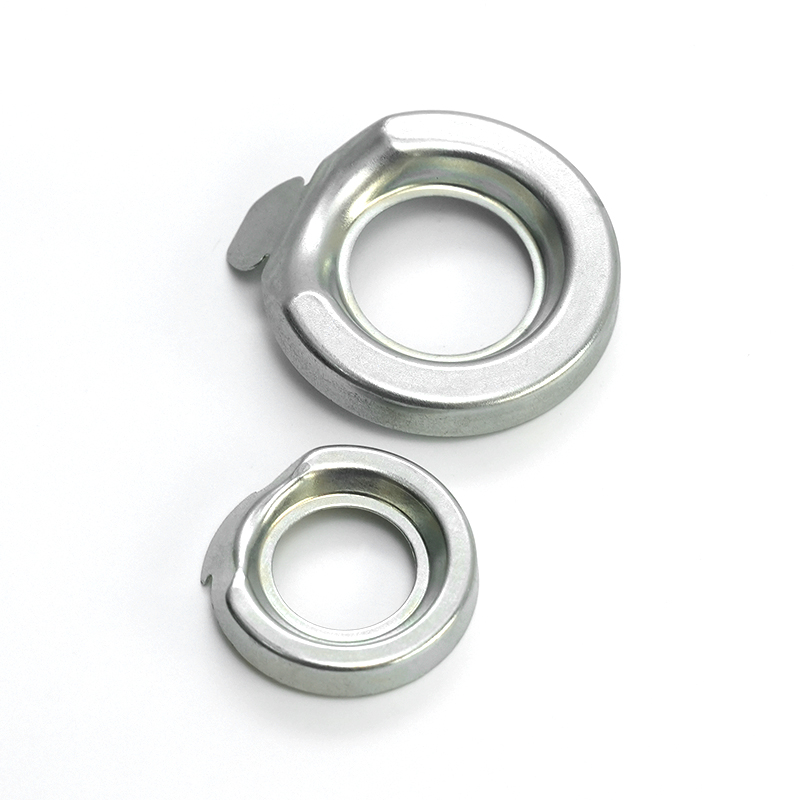
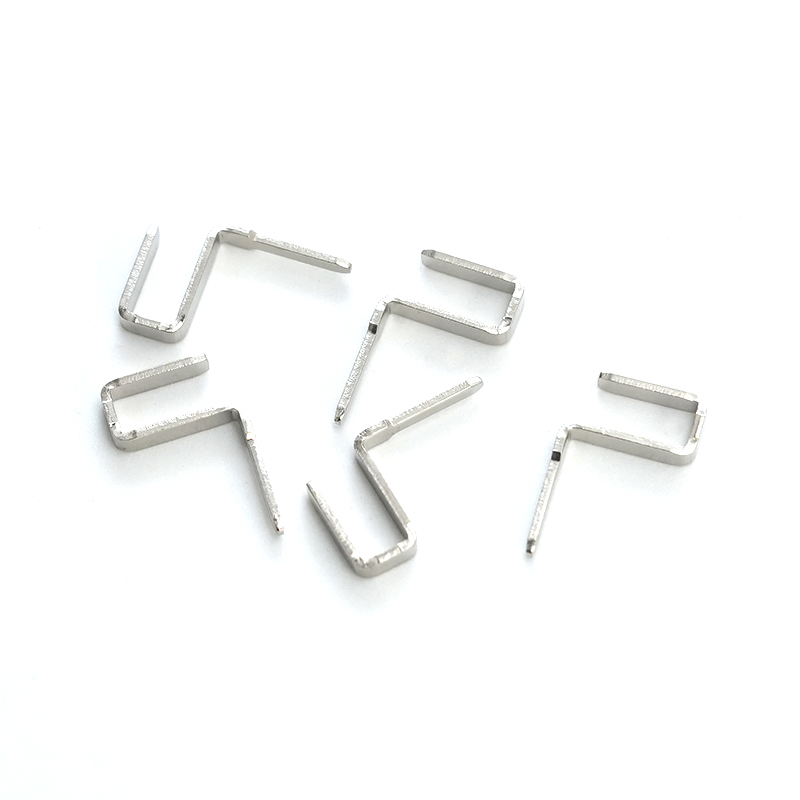
Stainless steel stamping parts are precision-formed components produced by shaping stainless steel sheets through mechanical presses and custom tooling. These parts are widely used in automotive, electronics, medical devices, industrial equipment, and consumer products due to their strength, corrosion resistance, and dimensional stability. Unlike generic metal forming, stainless steel stamping requires careful control of material properties, tooling design, and process parameters to achieve consistent quality at scale.
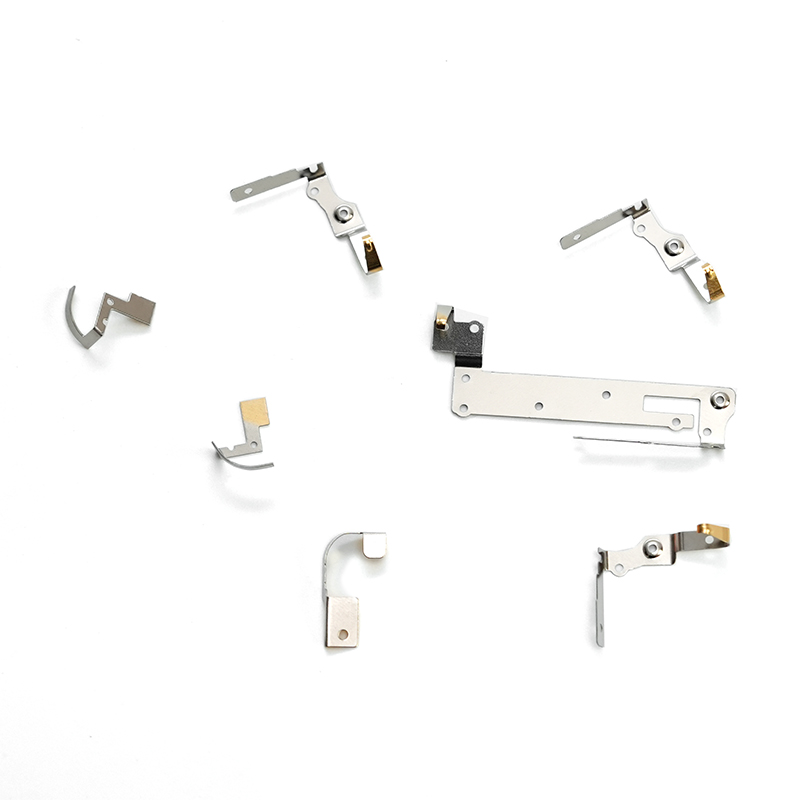
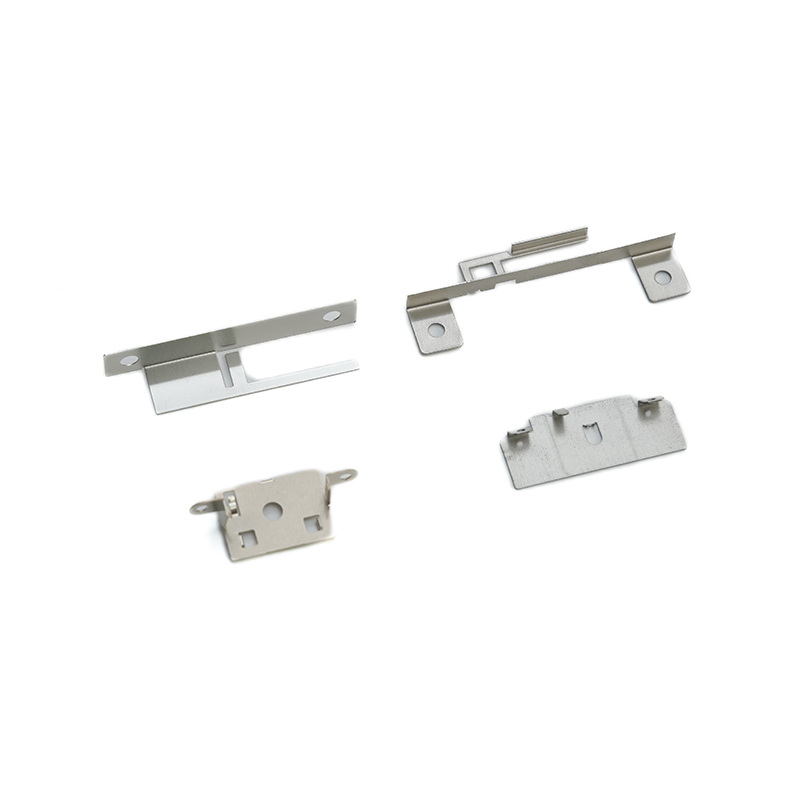
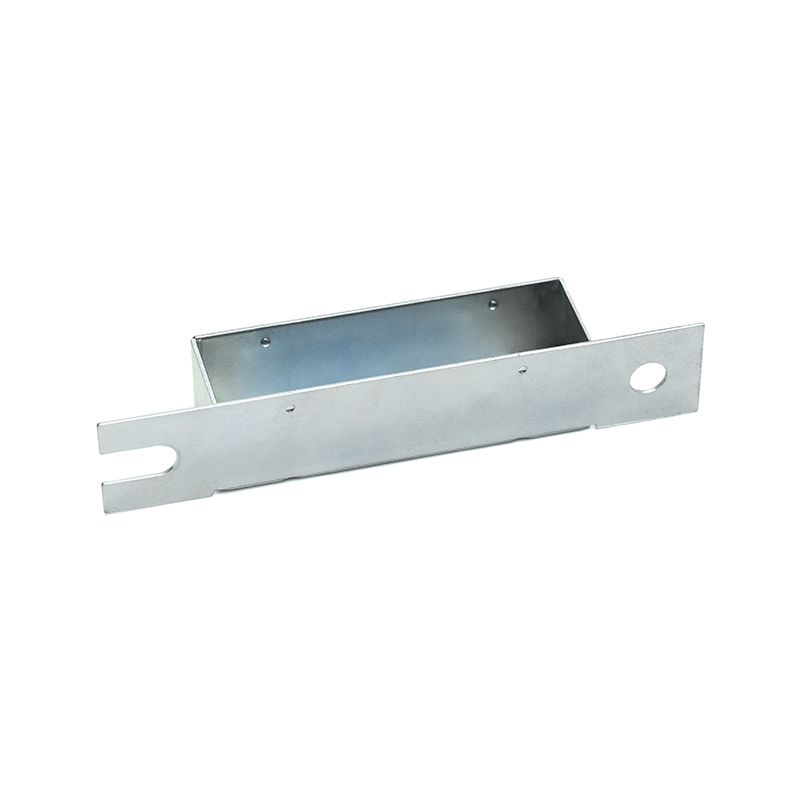
Manufacturers choose stainless steel stamping parts when they need high-volume production with tight tolerances, repeatability, and long service life. The process is well-suited for brackets, clips, enclosures, terminals, shielding components, and structural reinforcements that must withstand mechanical stress and environmental exposure.
Key Stainless Steel Grades Used for Stamping Applications
Selecting the right stainless steel grade is critical for successful stamping. Each grade offers different forming characteristics, corrosion resistance levels, and cost considerations. The most commonly used grades balance formability with mechanical performance.
- 304 stainless steel is the most popular choice for stainless steel stamping parts due to its excellent corrosion resistance, good ductility, and wide availability.
- 316 stainless steel offers enhanced resistance to chemicals and saltwater, making it suitable for marine, medical, and food-processing components.
- 430 stainless steel is a ferritic grade often used when magnetic properties and lower material costs are required.
Material thickness, grain direction, and surface finish also affect stamping performance. Thinner gauges improve formability, while consistent grain orientation reduces cracking and distortion during forming.
Core Stainless Steel Stamping Processes Explained
Stainless steel stamping parts are produced through several forming techniques, often combined in a single production line. The choice of process depends on part geometry, production volume, and tolerance requirements.
Progressive Die Stamping
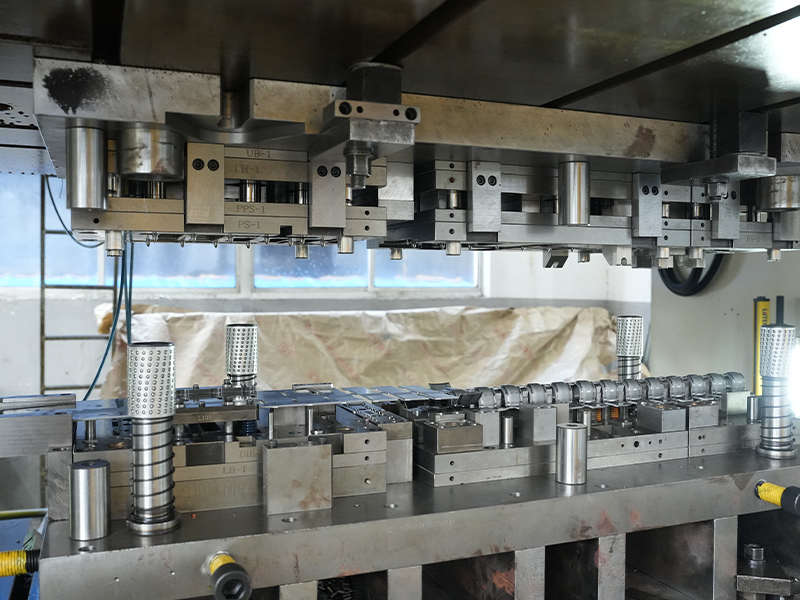
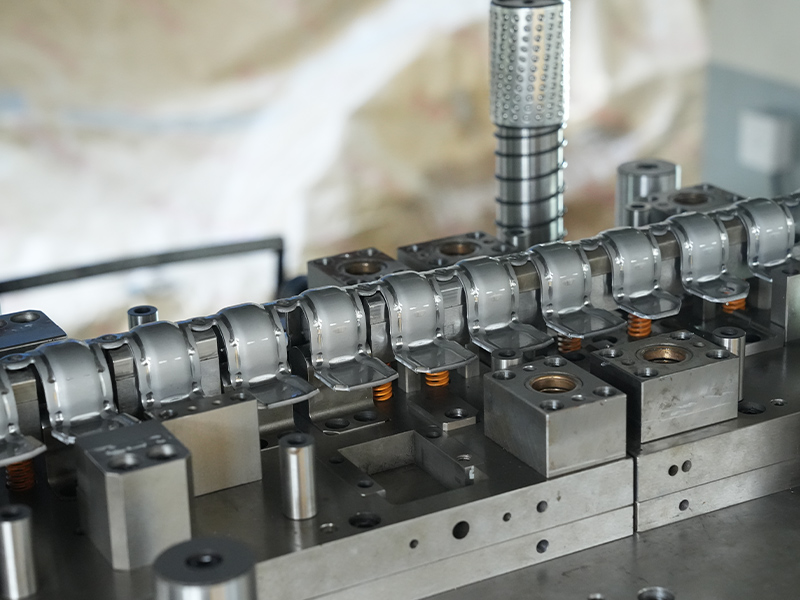
Progressive stamping uses a series of stations within a single die to perform multiple operations such as blanking, piercing, bending, and forming. This method is ideal for high-volume stainless steel stamping parts with complex shapes and tight tolerances. It minimizes handling, reduces cycle time, and ensures consistent part quality.
Deep Drawing
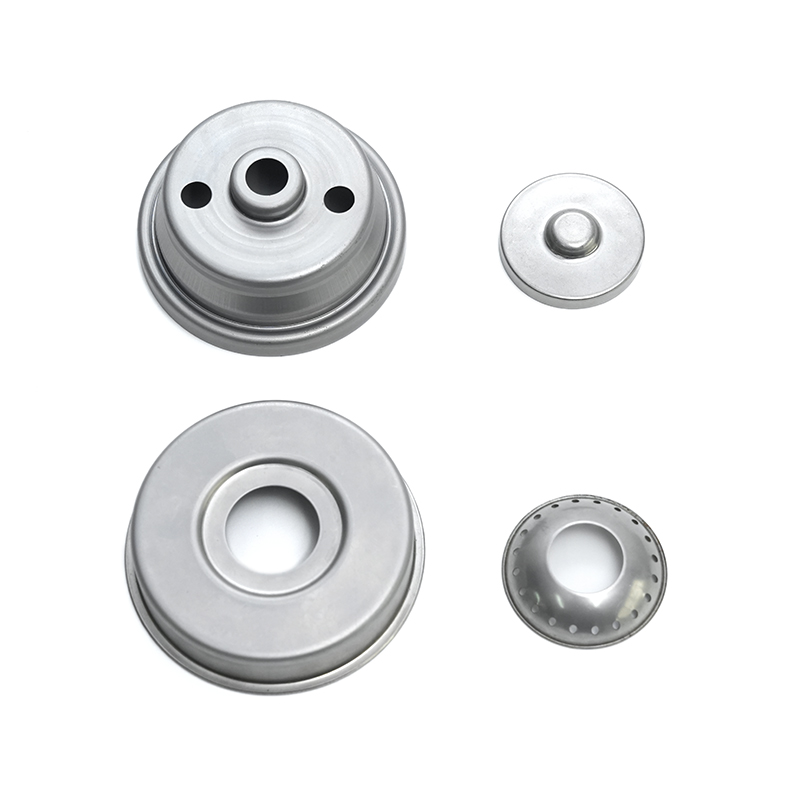
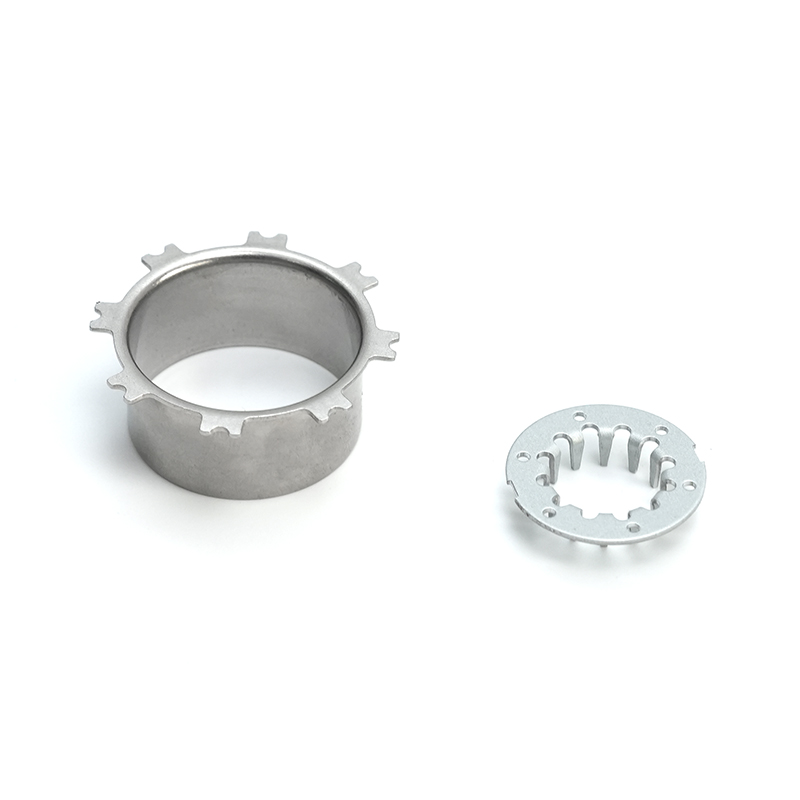
Deep drawing is used when stainless steel stamping parts require significant depth relative to their diameter, such as housings or cylindrical components. Proper lubrication, draw ratios, and material selection are essential to prevent tearing or wrinkling during the process.
Fine Blanking
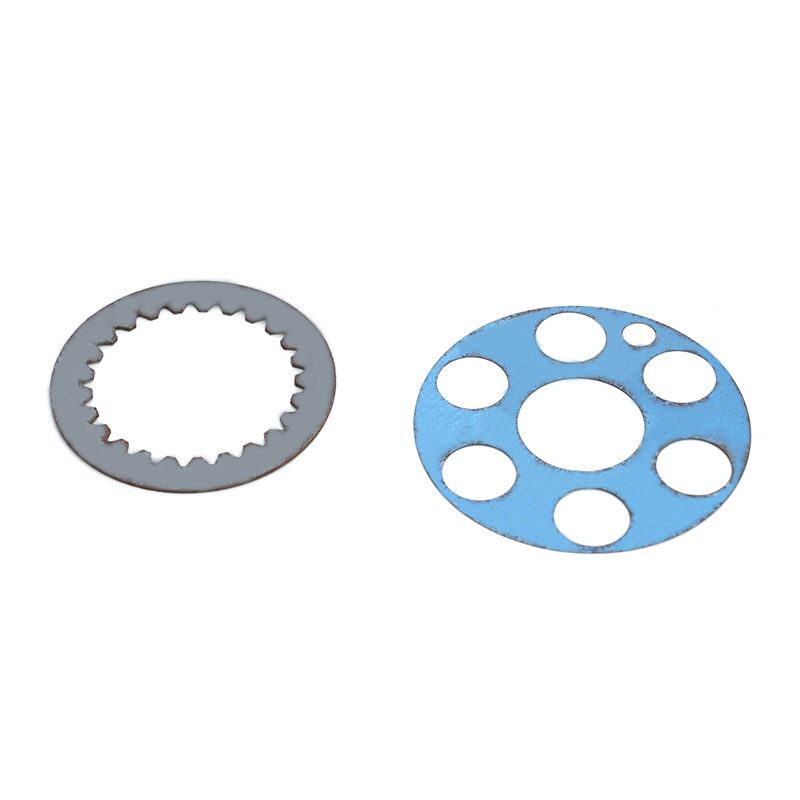
Fine blanking produces parts with smooth edges and minimal burrs, making it suitable for stainless steel components that require high precision and excellent edge quality. This process is often used for gears, locking mechanisms, and safety-critical parts.
Tooling Design Considerations for Stainless Steel Stamping
Tooling design directly impacts the efficiency, lifespan, and output quality of stainless steel stamping parts. Because stainless steel is harder and more abrasive than carbon steel, dies must be engineered for durability and precision.
- Die materials often include hardened tool steel or carbide inserts to resist wear and deformation.
- Proper clearance between punch and die is critical to reduce burr formation and tool stress.
- Stripping and guiding systems help maintain alignment and prevent material distortion.
Well-designed tooling reduces downtime, improves part consistency, and lowers long-term production costs for stainless steel stamping parts.
Tolerance Control and Precision in Stamping Parts
Precision is one of the main advantages of stainless steel stamping parts. Achieving tight tolerances requires coordination between material properties, press accuracy, and tooling quality. Typical tolerances range from ±0.05 mm to ±0.1 mm, depending on part complexity and thickness.
| Thickness Range | Achievable Tolerance | Typical Applications |
| 0.3–0.8 mm | ±0.05 mm | Electronics, terminals |
| 0.8–2.0 mm | ±0.1 mm | Automotive brackets |
Consistent tolerance control reduces assembly issues and improves interchangeability in mass production environments.
Surface Finishing Options for Stainless Steel Stamping Parts
After stamping, surface finishing enhances the appearance, corrosion resistance, and functionality of stainless steel stamping parts. The finishing method should align with the part’s end-use requirements.
- Deburring removes sharp edges and improves safety during handling and assembly.
- Polishing enhances surface smoothness and aesthetic appeal for visible components.
- Passivation improves corrosion resistance by removing surface contaminants.
Choosing the right finishing process can extend product lifespan and reduce maintenance requirements.
Quality Control Practices in Stainless Steel Stamping
Quality control is essential for maintaining consistency in stainless steel stamping parts, especially in regulated industries. Inspection methods are integrated throughout the production process rather than applied only at the final stage.
Common quality control practices include dimensional inspection using calipers or coordinate measuring machines, visual checks for surface defects, and material verification through certification records. Statistical process control is often applied to monitor trends and prevent deviations before defects occur.
Cost Factors and Design Optimization for Stamping Projects
The cost of stainless steel stamping parts depends on material grade, thickness, tooling complexity, and production volume. While tooling investment may be significant, unit costs decrease rapidly with higher volumes.
Design optimization plays a major role in cost reduction. Simplifying bends, maintaining uniform wall thickness, and minimizing secondary operations can significantly improve manufacturing efficiency without sacrificing performance.
Practical Applications Across Industries
Stainless steel stamping parts are used across diverse industries because they combine durability with production efficiency. In automotive manufacturing, they support structural integrity and safety systems. In electronics, they provide shielding, grounding, and precise connectivity. Medical and food-processing industries rely on stainless steel stamping parts for hygiene, corrosion resistance, and long-term reliability.
Understanding the technical and practical aspects of stainless steel stamping helps engineers and buyers make informed decisions, ensuring parts meet performance expectations while staying within budget and production timelines.