Understanding Copper Stamping Parts and Their Industry Uses
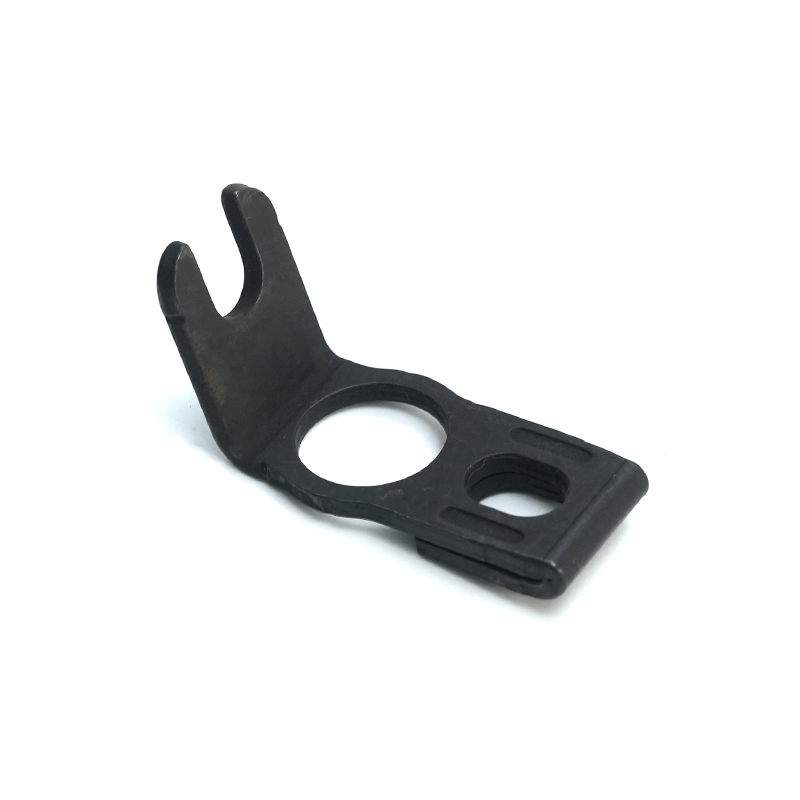
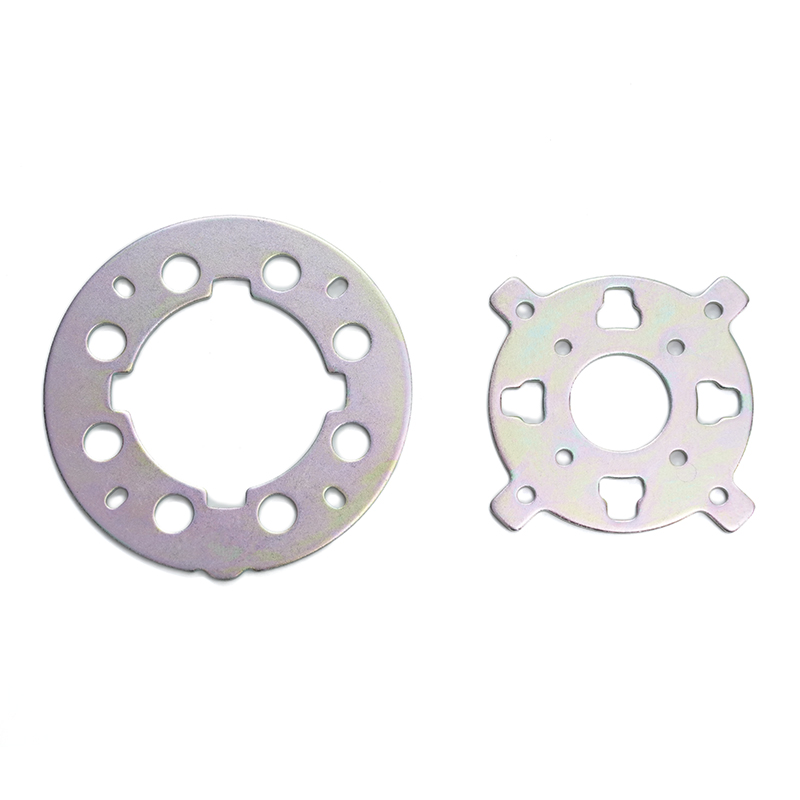
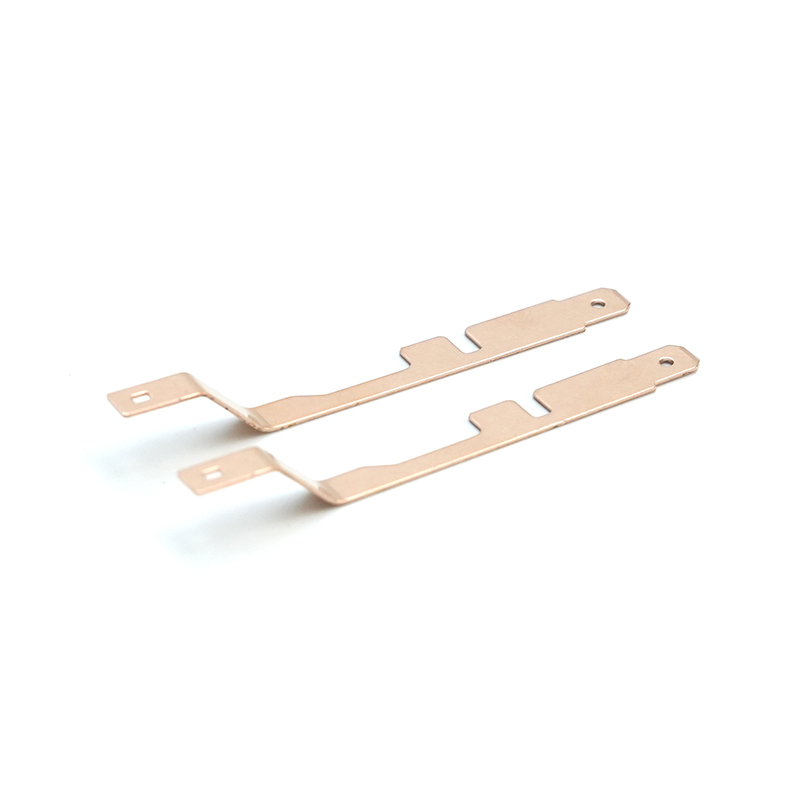
Copper stamping parts are precision‑formed components created by stamping copper or copper alloy sheets into specific shapes. Their excellent electrical conductivity, thermal performance, and corrosion resistance make them essential in many sectors. Unlike generic metal parts, copper stamping parts demand tight dimensional control and surface quality due to their roles in electrical systems and high‑cycle mechanical assemblies.
Industries that rely heavily on copper stamping parts include:
- Electrical and electronics — for connectors, terminals, and busbars;
- Automotive — for sensors, relays, contacts, and EV battery systems;
- Telecommunications — for RF connectors and conductive shields;
- Industrial machinery — for wear‑resistant contacts and heat sinks.
Material Selection for Copper Stamping Parts
Selecting the correct copper material is critical for stamping performance and end‑use functionality. Material properties influence formability, strength, conductivity, and cost. Common copper materials include pure copper and copper alloys like brass and bronze.
Pure Copper Grades
Pure copper (C11000, C10100 series) offers the highest electrical and thermal conductivity among engineered metals. It’s ideal for power connectors and high‑current busbars where minimal resistance is critical. However, pure copper has lower tensile strength compared to many alloys, requiring careful process control to avoid cracking during stamping.
Common Copper Alloys: Brass and Bronze
Copper alloys such as brass (copper‑zinc) and bronze (copper‑tin) enhance strength and wear resistance while maintaining reasonable conductivity. Brass is often used for terminals and spring contacts due to its balance of formability and mechanical strength. Bronze variants are selected for environments requiring improved corrosion resistance or friction performance.
Design Principles for Copper Stamping Parts
Effective design for copper stamping parts goes beyond simple shapes. Good design facilitates manufacturability, reduces scrap, and ensures functional performance. The following principles guide engineers during part development:
- Maintain Uniform Wall Thickness: Uneven thickness can cause tears or springback during forming.
- Avoid Sharp Internal Corners: Use radii to improve material flow and reduce stress concentrations.
- Minimize Burrs and Sharp Edges: Specify tolerances and finish requirements to reduce secondary deburring costs.
- Consider Springback Effects: Copper alloys can spring back after forming; design allowances compensate for this.
Tolerance and Feature Specifications
Copper stamping parts often require tight tolerances due to mating with other mechanical or electrical assemblies. Specify tolerances according to function — for example, contact widths that affect current capacity or pin diameters that fit housings. Tighter tolerances may increase tooling complexity and cost, so balance design needs with production feasibility.
Manufacturing Processes for Copper Stamping Parts
Copper stamping involves converting flat sheet or coil material into complex parts using dies and presses. Several process variations suit different volumes and geometries:
Blanking and Piercing
Blanking cuts the initial shape from a sheet or coil. Piercing creates holes or internal cutouts. These operations often occur in the first stages of progressive dies to produce repeatable features. High‑precision blanking reduces burr formation and improves downstream forming quality.
Progressive Die Stamping
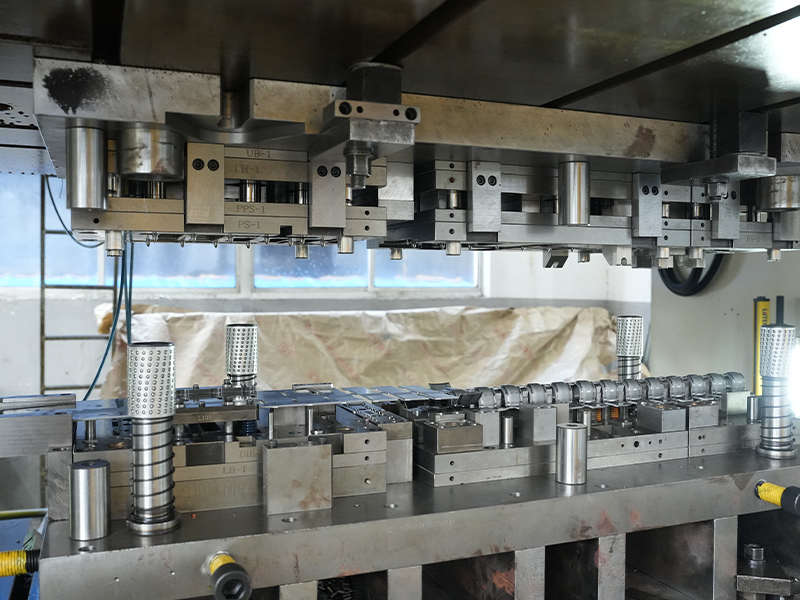
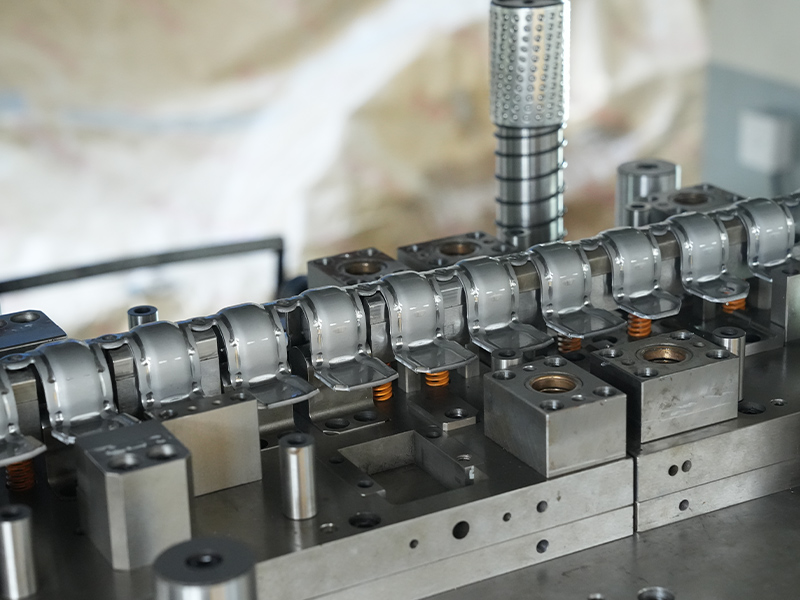
Progressive die stamping uses a series of stations on a single die set. Each station adds operations like bending, coining, or forming to build complete parts in one press cycle. Progressive stamping is ideal for high volumes due to its speed and repeatability, but tooling costs are higher than simple dies, making it best for medium to large production runs.
Fine Blanking for Precision Edges
Fine blanking is a specialized process for parts requiring very smooth edges and tight dimensional control. It uses precision‑machined dies with high pressure to reduce distortion. Although more expensive than conventional stamping, fine blanking produces parts with excellent geometric accuracy, suitable for critical electrical contacts or precision mechanical components.
Tooling and Press Selection for Copper Stamping
The choice of tooling and presses directly affects production quality, cycle time, and cost. Copper materials have good ductility but can work‑harden rapidly, so tooling needs to be robust and precisely aligned.
Die Materials and Coatings
High‑carbon tool steels like A2 or D2 are common for stamping dies due to wear resistance and toughness. For high volumes, tool steels may receive coatings like TiN or DLC to reduce friction and extend life. Fine blanking dies often require even harder materials and more frequent maintenance.
Press Types for Copper Stamping
Mechanical presses offer high speed and repeatability for progressive stamping. For precision operations or longer strokes, hydraulic presses may be selected. Servo presses provide programmable control for variable speed and dwell time, which improves forming control for complex geometries.
Quality Control and Inspection for Copper Stamping Parts
Quality assurance ensures copper stamping parts meet specified performance criteria. A robust inspection plan reduces scrap and rework while improving part reliability.
Dimensional Inspection
Use calibrated gauges, CMM (Coordinate Measuring Machine), or optical comparators to verify critical dimensions. For high‑volume runs, automated vision systems can inspect features inline to catch deviations early.
Surface Finish and Burr Control
Surface finish affects electrical contact resistance and assembly fit. Inspect surfaces for scratches, pits, or burrs. Deburring may be necessary through tumbling, brushing, or micro‑deburring processes. Specify surface finish requirements in microns (Ra) for clarity.
Mechanical and Electrical Testing
Depending on the application, test for tensile strength, bend performance, and conductivity. Electrical contacts should be tested for contact resistance under load. Document test protocols to ensure repeatability and compliance with customer standards.
Cost Factors and Lead Time Considerations
Estimating cost and lead times early in the project helps set realistic expectations. Primary cost drivers include material type, part complexity, tooling design, and production volume. Copper alloys tend to be more expensive than steel or aluminum, so design optimization can reduce waste and lower costs.
| Cost Factor | Impact | Notes |
| Material Type | High | Alloys vs pure copper |
| Tooling Complexity | High | Progressive vs simple dies |
| Production Volume | Medium | Economies of scale |
| Inspection Requirements | Medium | Inline vs final inspection |
Lead time is influenced by tooling design and approval cycles. Custom progressive dies may require several weeks of design and trial runs, whereas simple stamping tools can be delivered more quickly. Early engagement with suppliers helps reduce delays.
Selecting the Right Copper Stamping Supplier
Choosing a supplier with expertise in copper stamping ensures quality and timely delivery. Evaluate potential partners based on tooling capabilities, materials experience, production capacity, and inspection systems. Request samples or prototypes to validate capabilities before committing to large runs.