简体中文
简体中文
 English
 عربى
عربى
NEWS
Home / News / Industry News / Practical Guide to Aluminum Alloy Stamping Parts: Techniques, Applications, and Quality

Our stainless steel stamping metal shrapnel is a high-performance component designed to meet the demanding requirements of industries that need precision, durability, and resistance to harsh environme...
See Details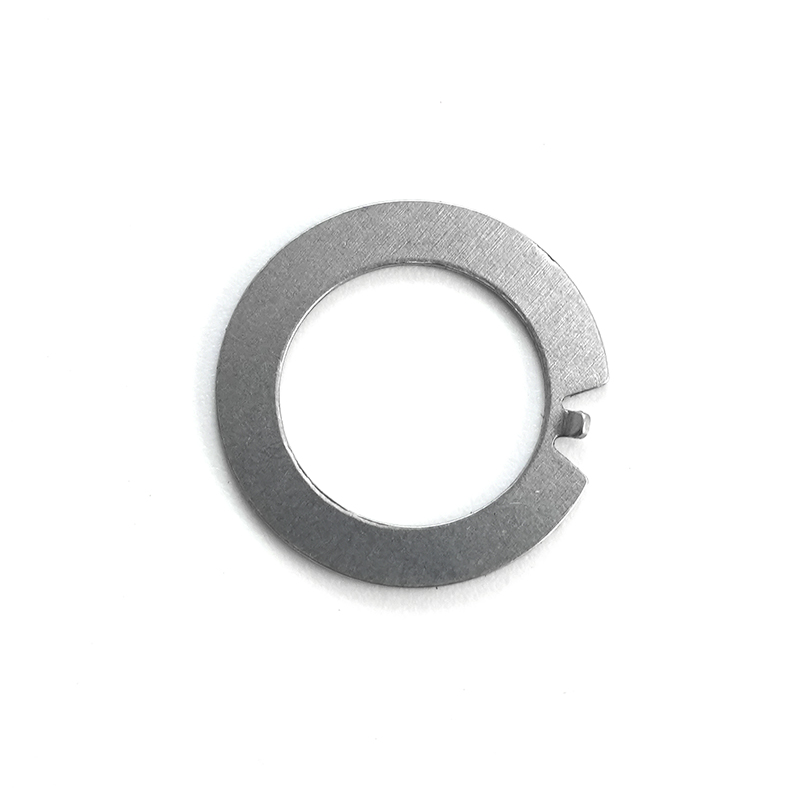
Our high temperature-resistant stainless steel car gasket is engineered for performance in automotive applications that require durability under heat and pressure conditions. Manufactured from premium...
See Details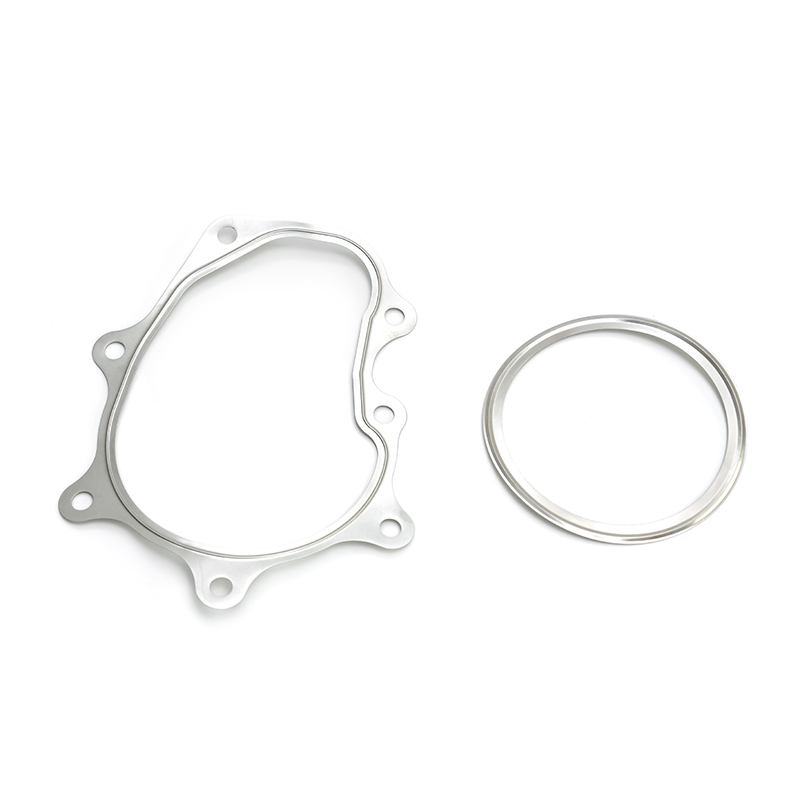
Our Stainless Steel Turbo Sealing Gasket is engineered for high-performance applications in turbocharged engines, providing a robust, reliable seal to prevent leakage of exhaust gases and boost pressu...
See Details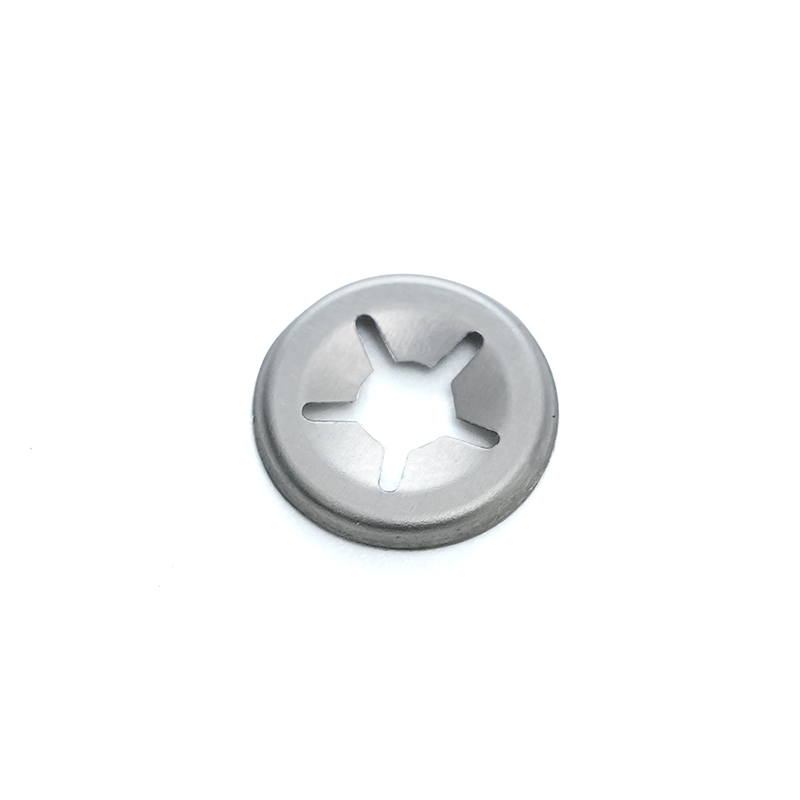
The Stainless Steel Starlock Washer Fasteners are specialized retaining components designed to securely hold parts in place within water valve assemblies. Manufactured from high-quality stainless stee...
See Details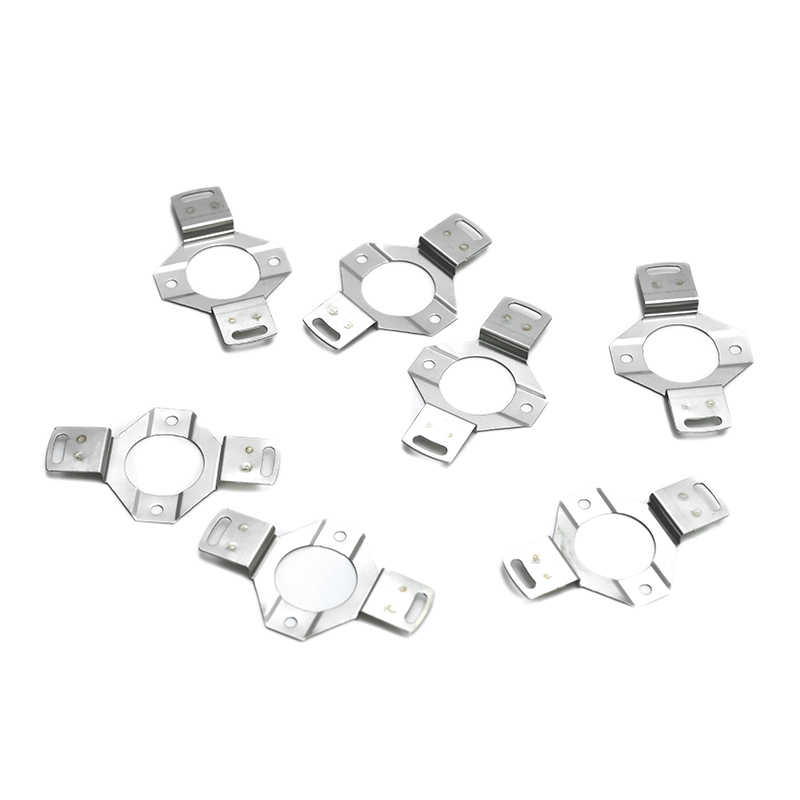
Our wear-resistant stainless steel bracket is engineered for high-performance applications where durability and strength are paramount. Made from premium stainless steel, this bracket is designed to w...
See Details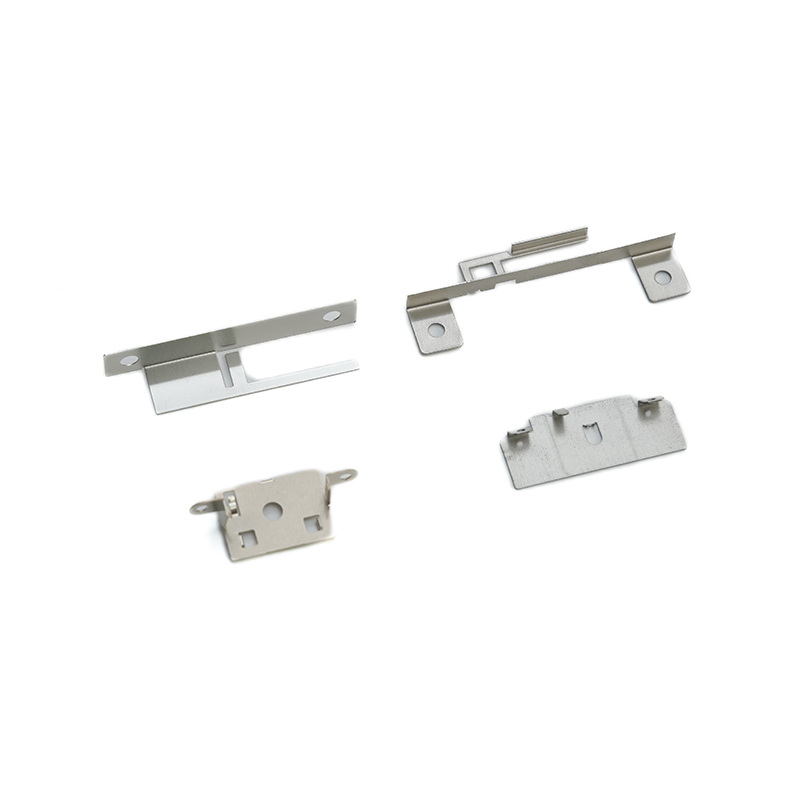
Our high pressure resistant stainless steel bracket is a robust, durable, and reliable solution for securing equipment in demanding environments where pressure and structural integrity are critical. M...
See Details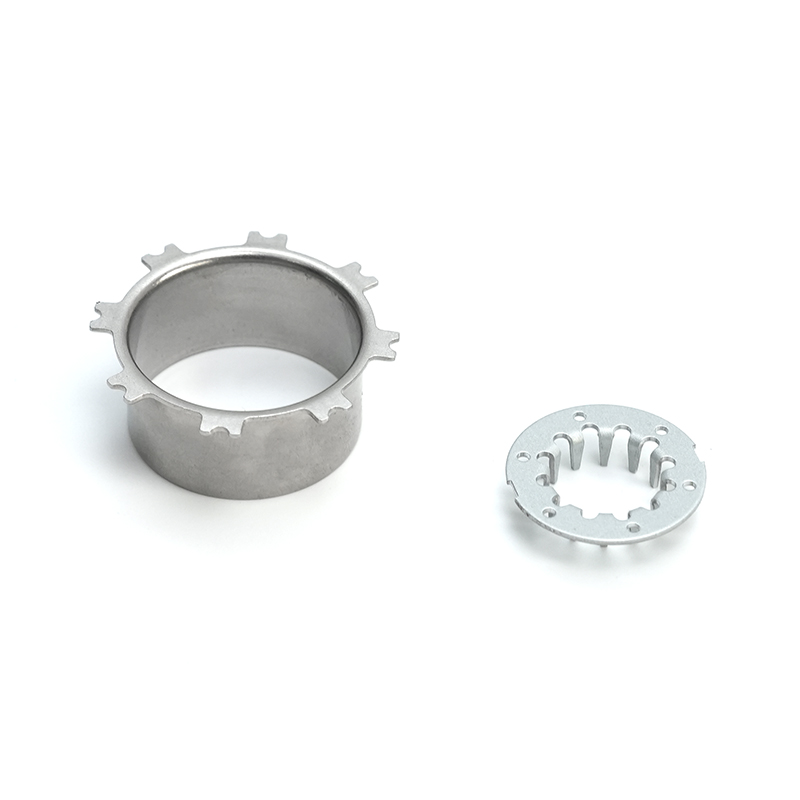
Our iron mounting bracket is a robust, versatile, and highly durable support solution designed for a wide range of industrial and commercial applications. Constructed from premium-grade iron, this mou...
See Details
Our corrosion-resistant automotive steel bracket is engineered for durability and performance in demanding automotive applications. Crafted from high-quality, corrosion-resistant steel, this bracket o...
See Details
Our Iron + Aluminum Silence Cover is a high-performance, durable solution designed to effectively reduce noise and vibration in a wide range of industrial and mechanical applications. Combining the st...
See Details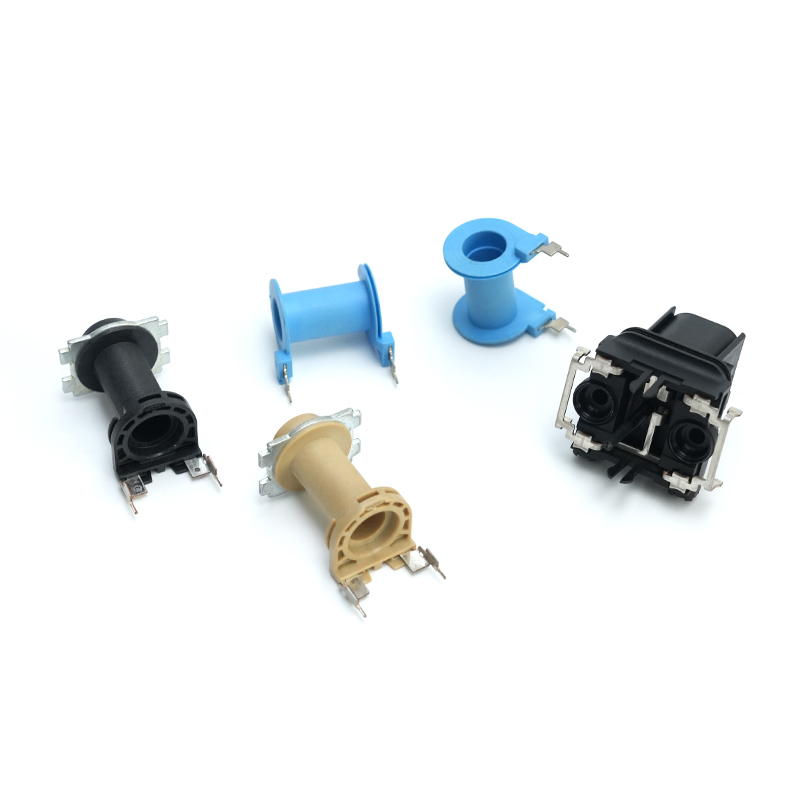
The copper tinned solenoid valve pin needle assembly is a precision-engineered component designed to enhance the performance and reliability of solenoid valves used in various industrial applications....
See Details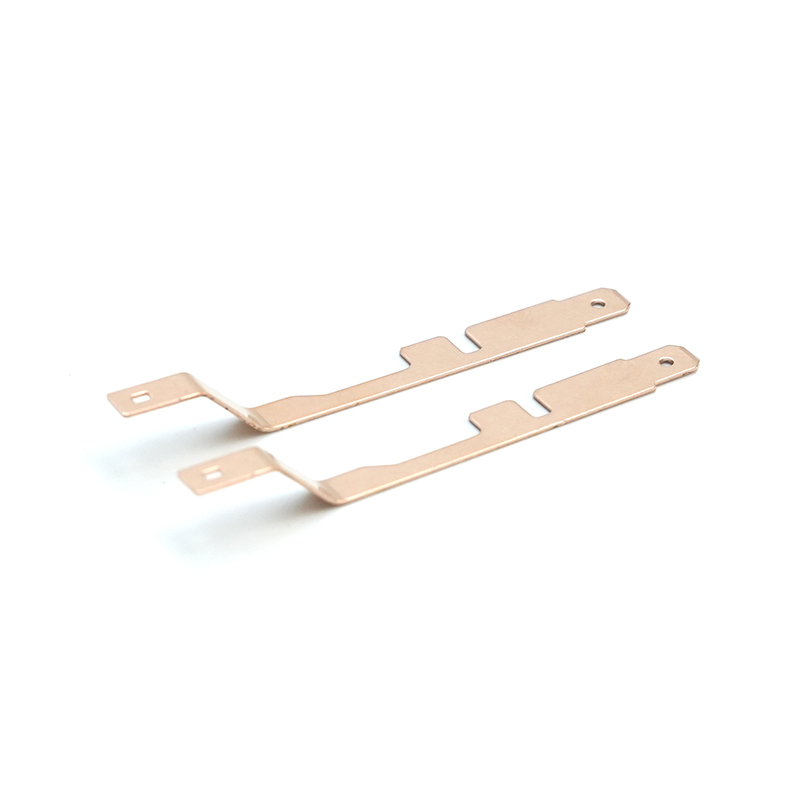
Phosphor bronze connectors are precision-engineered electrical components made from a copper alloy that combines copper, tin, and phosphorus. This specialized material offers a unique blend of electri...
See Details
The Stamped Copper Silver-Plated New Energy Charging Pile Plug is a high-performance connector specially designed for new energy electric vehicle charging stations. Made from high-quality copper mater...
See Detailscontact details
Address: No.6 Qiasheng North Road,Caoqiao Industrial Park,Xueyan Town,Wujin District,Changzhou City,Jiangsu Province
TEL: 86-15050692548
If You Are Interested In Our Products, Please Consult Us
 Ferrous & Non-Ferrous Metal Stampings Manufacturers