简体中文
简体中文
 English
 عربى
عربى
NEWS
Home / News / Industry News / Combining Hardware Stamping Parts for High-Performance Manufacturing Assemblies
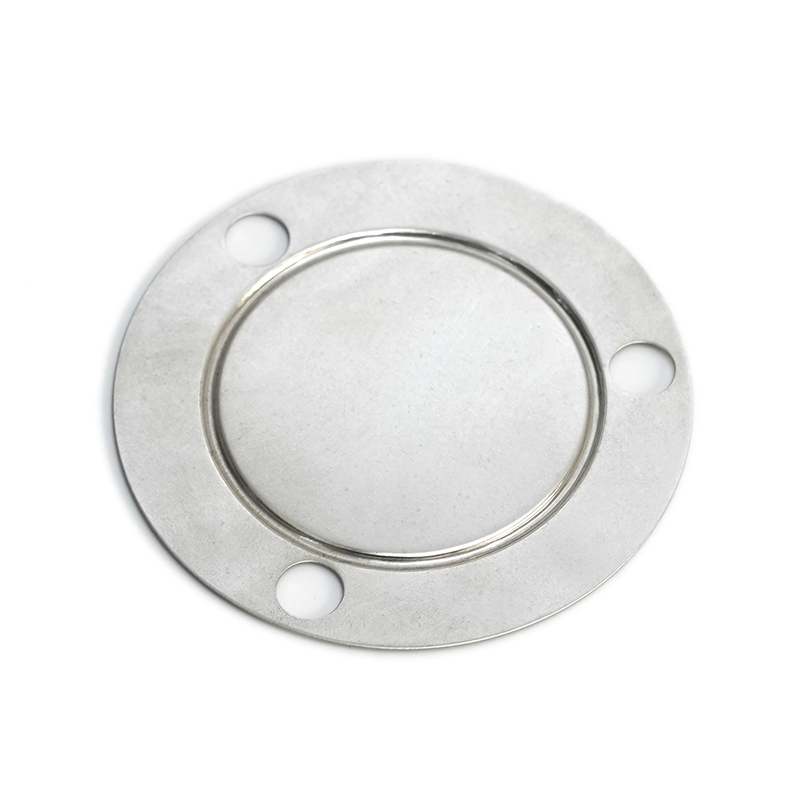
Our wear-resistant and high-pressure stainless steel shim is engineered to withstand conditions and provide exceptional performance in a variety of industrial applications. Made from premium-grade sta...
See Details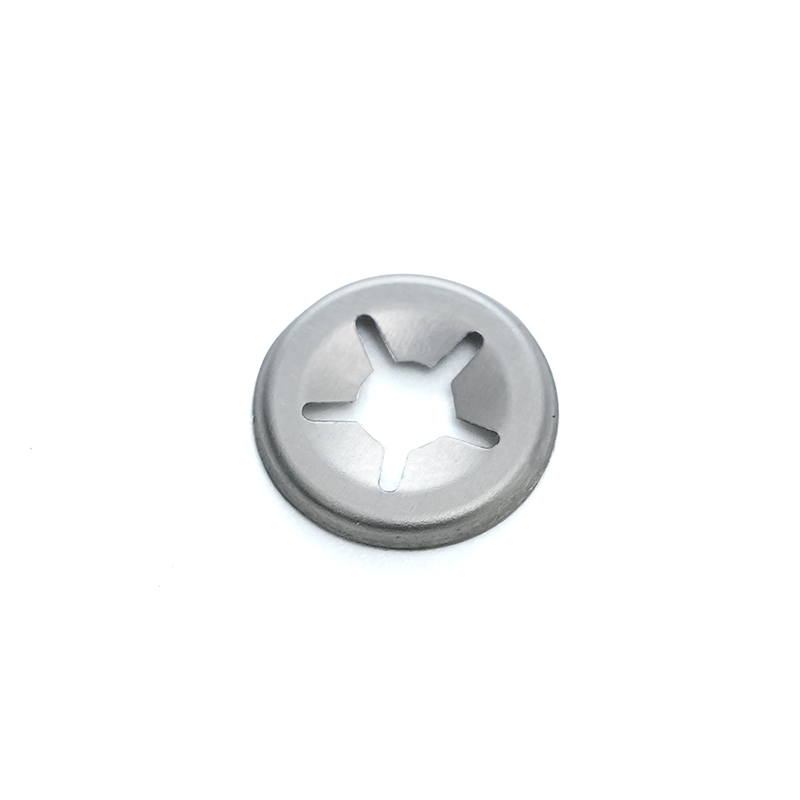
The Stainless Steel Starlock Washer Fasteners are specialized retaining components designed to securely hold parts in place within water valve assemblies. Manufactured from high-quality stainless stee...
See Details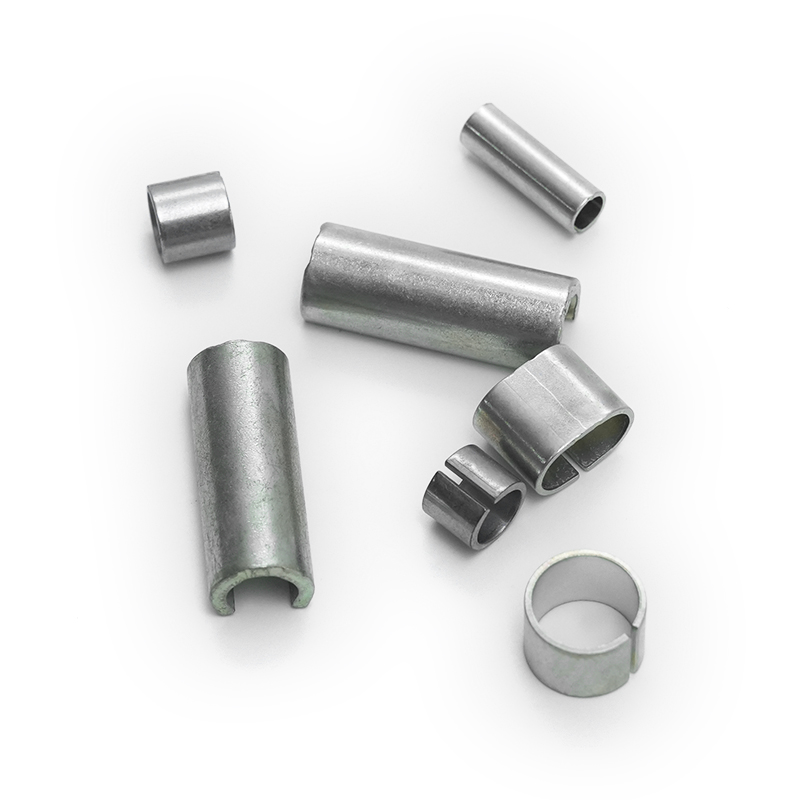
Our black malleable iron bushings are durable, high-quality components designed for various industrial applications, offering exceptional strength, resistance to wear, and long-term performance. These...
See Details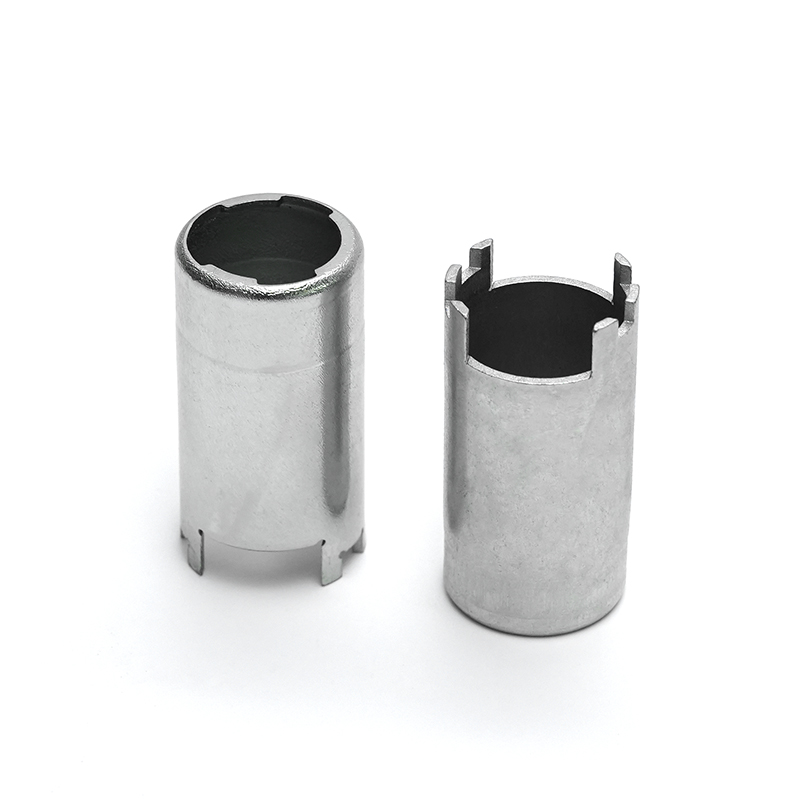
The Stamped Iron Solenoid Valve Housing is a precision-engineered component designed to encase and protect solenoid valve systems. Manufactured using advanced metal stamping processes such as deep dra...
See Details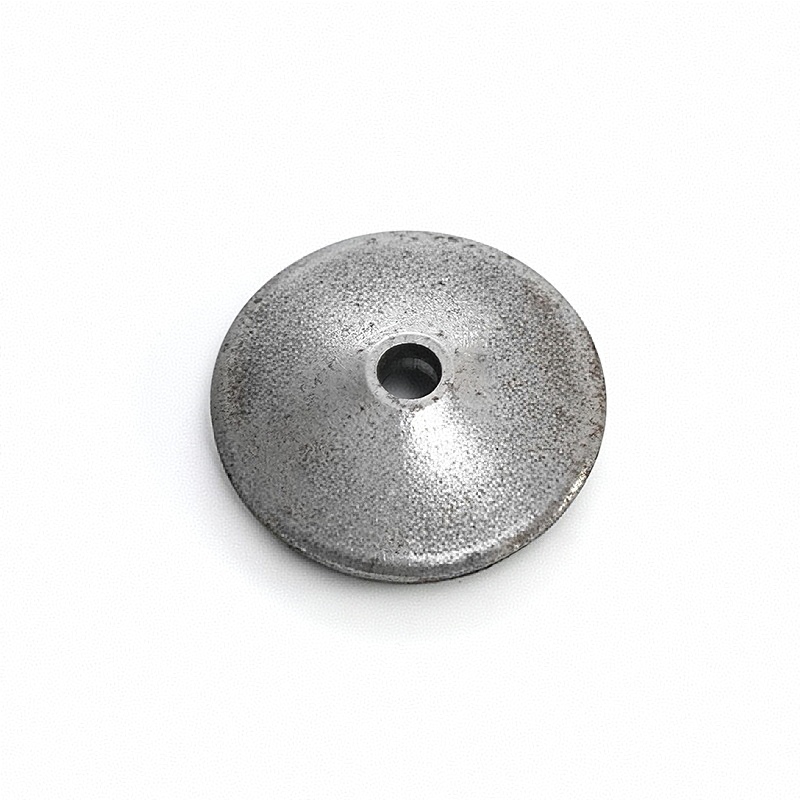
Our iron gasket is a high-performance sealing solution designed to provide durable and reliable performance in a wide range of industrial applications. Manufactured from high-quality iron materials, t...
See Details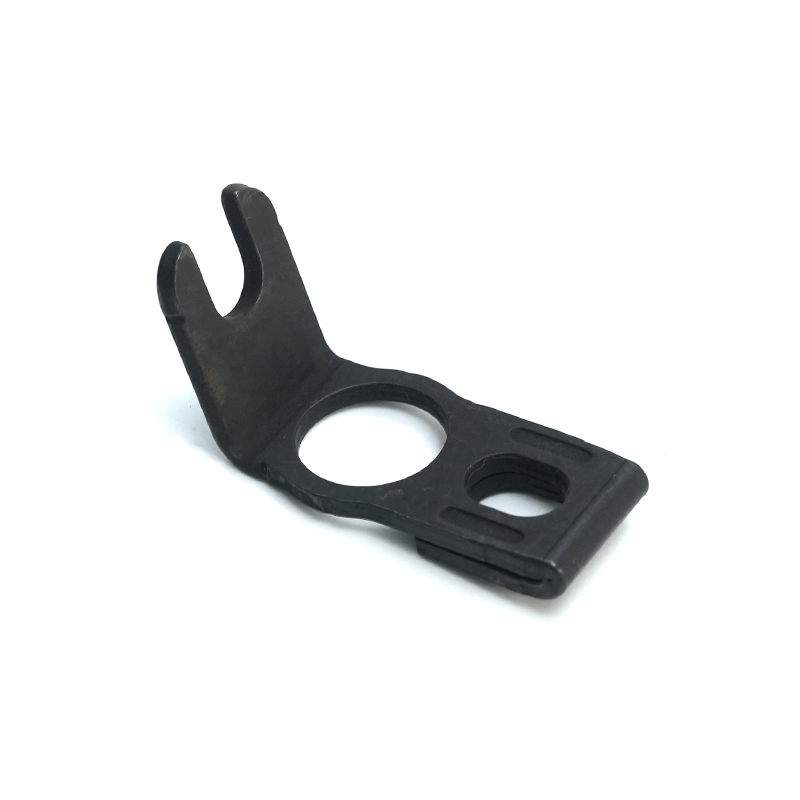
The iron gear engagement bracket is a robust, precision-engineered component designed to ensure the secure and efficient engagement of gears in various mechanical systems. Constructed from high-qualit...
See Details
The Stamped Aluminum Fan Heat Plate for New Energy Charging Pile Plug is a key component manufactured from aluminum alloy using stamping technology, widely used in the plug section of new energy vehic...
See Details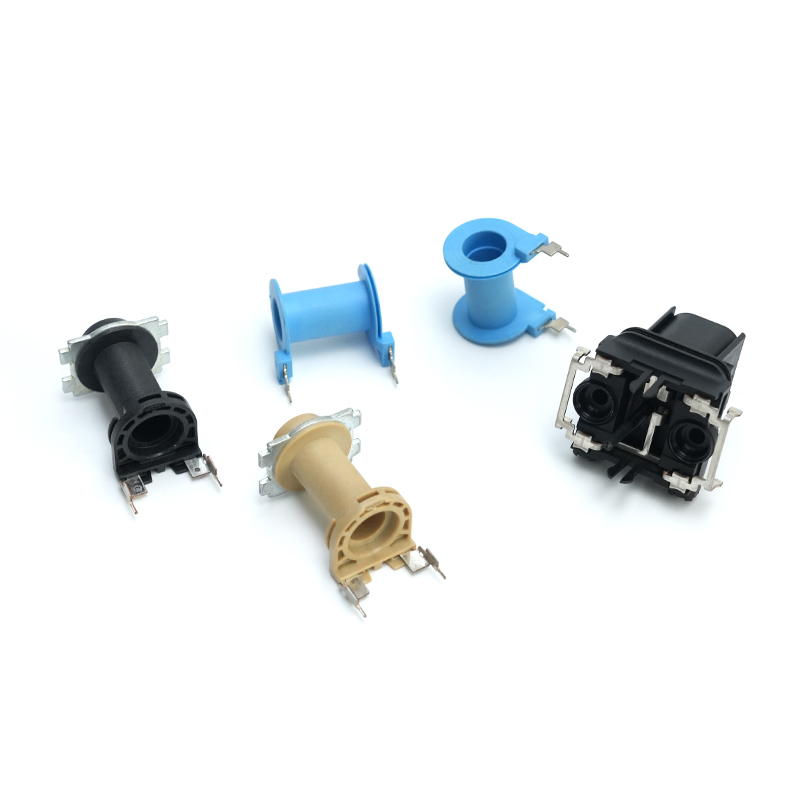
The copper tinned solenoid valve pin needle assembly is a precision-engineered component designed to enhance the performance and reliability of solenoid valves used in various industrial applications....
See Details
The Stamped Copper Silver-Plated New Energy Charging Pile Plug is a high-performance connector specially designed for new energy electric vehicle charging stations. Made from high-quality copper mater...
See Details
The pure zinc plate shock absorber is a high-performance, durable solution designed to enhance the functionality and longevity of various machinery and equipment. Constructed from pure zinc material, ...
See Details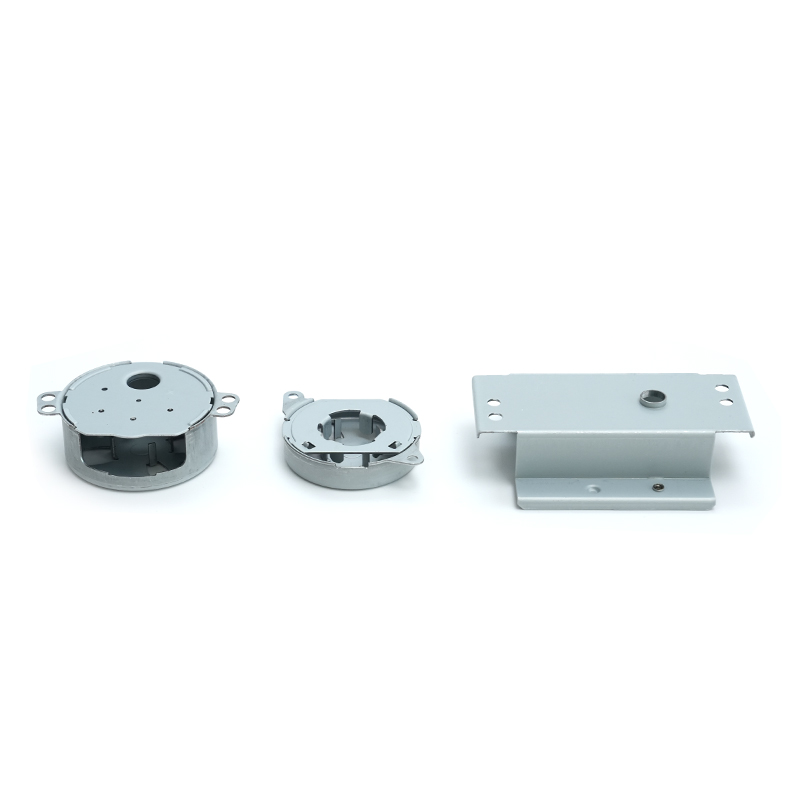
Our galvanized sheet motor housing offers robust protection and longevity for a wide range of electric motors used in various industries. Crafted from high-quality galvanized steel, this motor housing...
See Details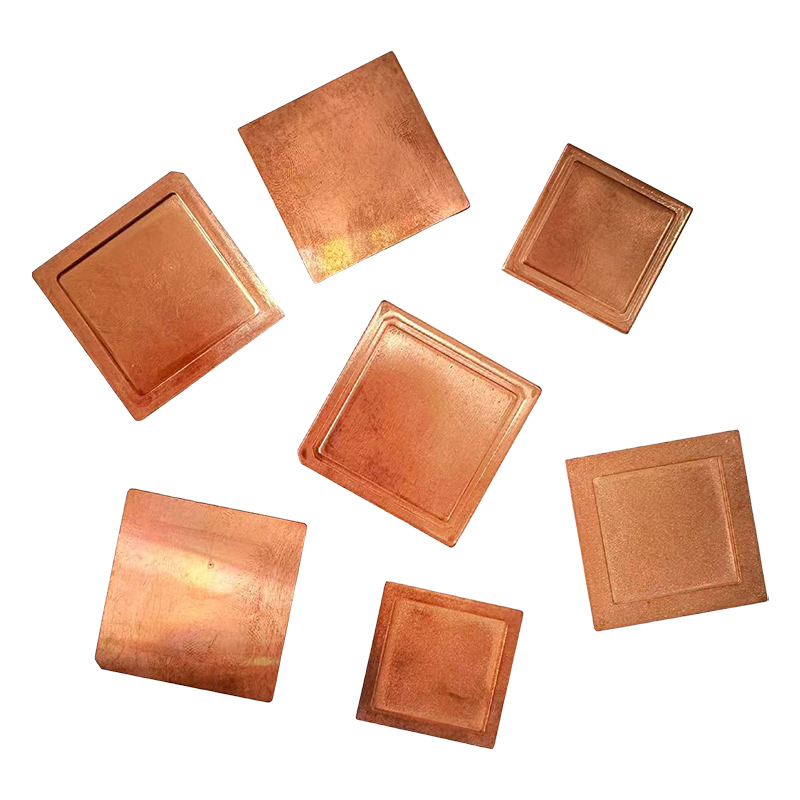
This CPU heat sink is engineered with high-purity copper as its core thermal conduction base, featuring a precision CNC-machined and mirror-polished contact surface that ensures gap-free contact with ...
See Detailscontact details
Address: No.6 Qiasheng North Road,Caoqiao Industrial Park,Xueyan Town,Wujin District,Changzhou City,Jiangsu Province
TEL: 86-15050692548
If You Are Interested In Our Products, Please Consult Us
 Ferrous & Non-Ferrous Metal Stampings Manufacturers