简体中文
简体中文
 English
 عربى
عربى
NEWS
Home / News / Industry News / Automotive Steel Flange: Design, Materials, and Manufacturing for Modern Vehicles

Our stainless steel stamping metal shrapnel is a high-performance component designed to meet the demanding requirements of industries that need precision, durability, and resistance to harsh environme...
See Details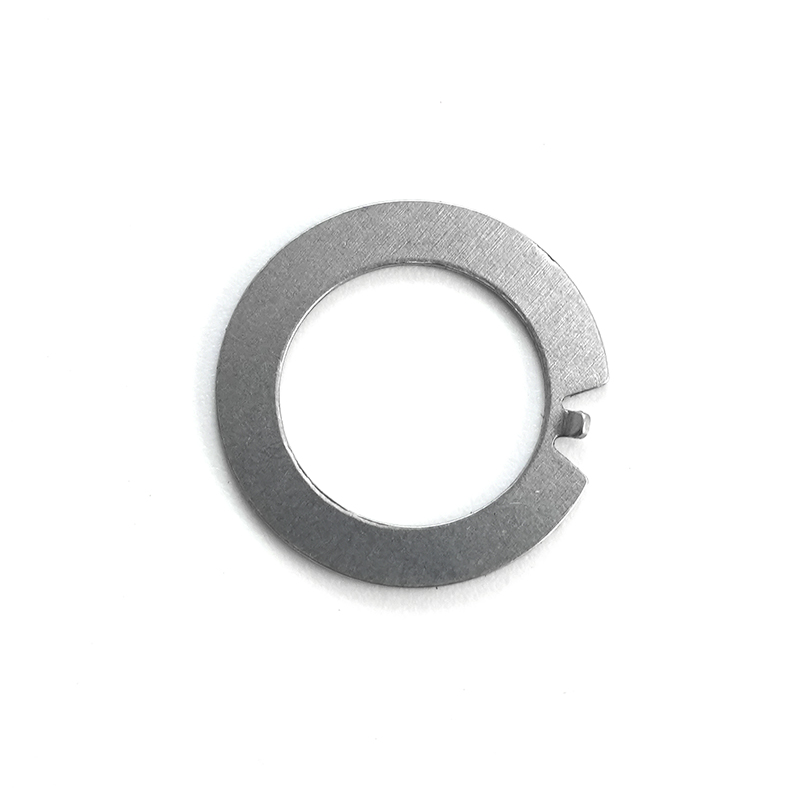
Our high temperature-resistant stainless steel car gasket is engineered for performance in automotive applications that require durability under heat and pressure conditions. Manufactured from premium...
See Details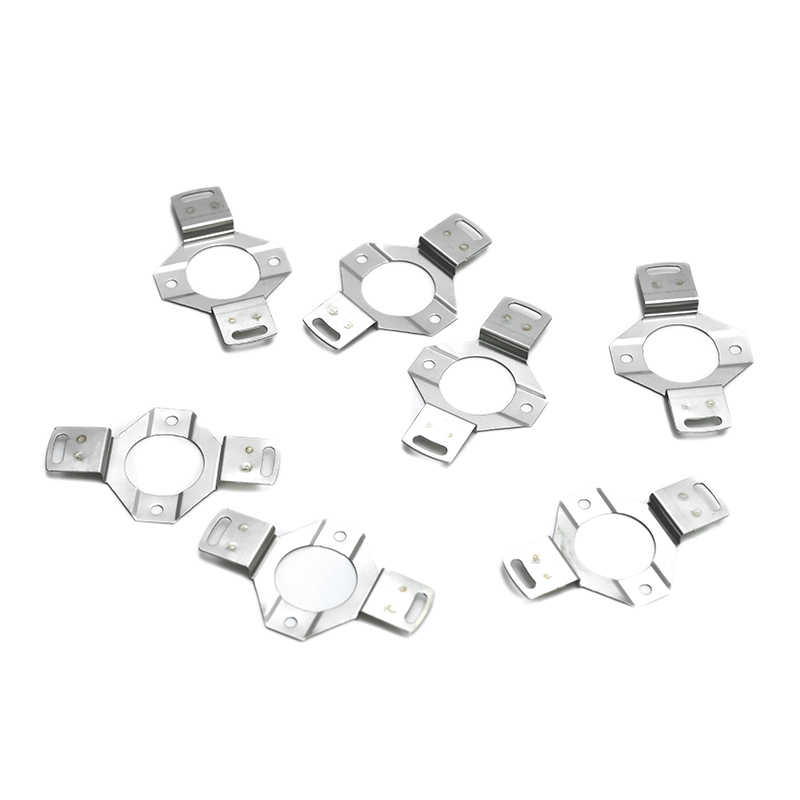
Our wear-resistant stainless steel bracket is engineered for high-performance applications where durability and strength are paramount. Made from premium stainless steel, this bracket is designed to w...
See Details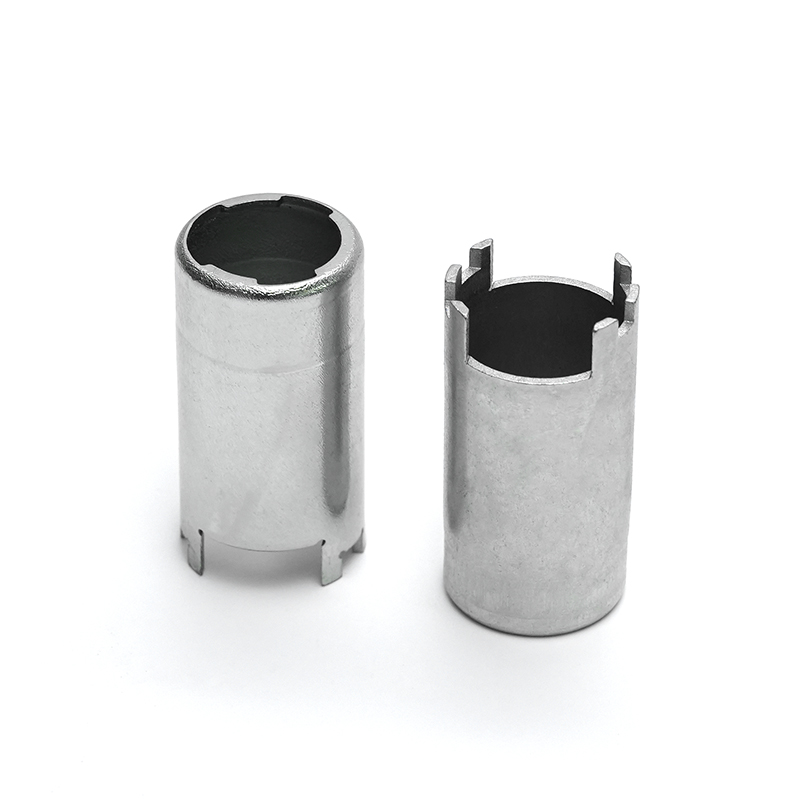
The Stamped Iron Solenoid Valve Housing is a precision-engineered component designed to encase and protect solenoid valve systems. Manufactured using advanced metal stamping processes such as deep dra...
See Details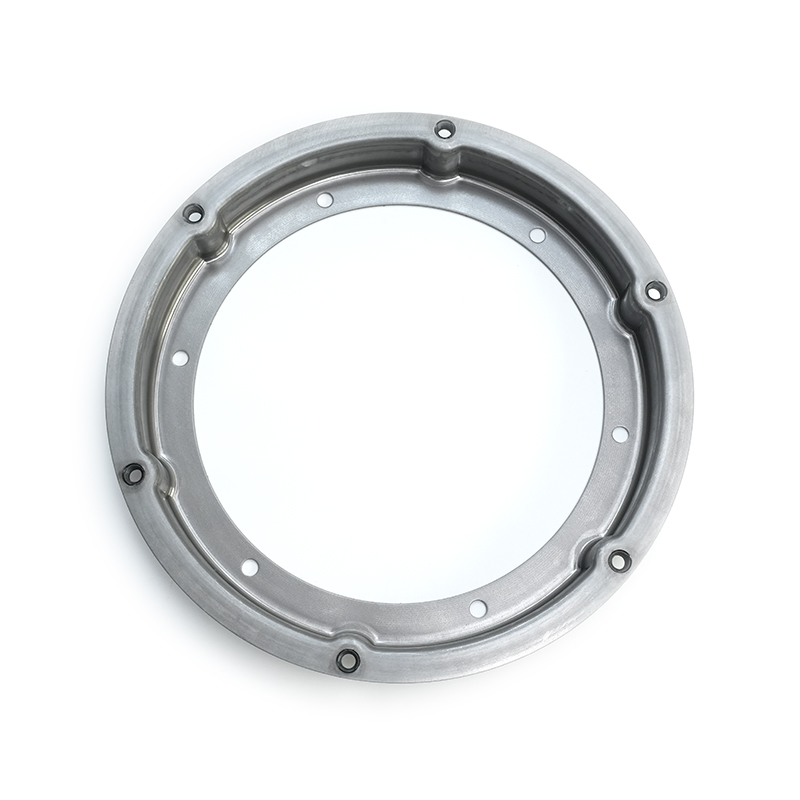
The Iron Engine Torque Converter Component Stamping Parts are precision-engineered components specifically designed for torque converters in automotive powertrain systems. Manufactured using high-stre...
See Details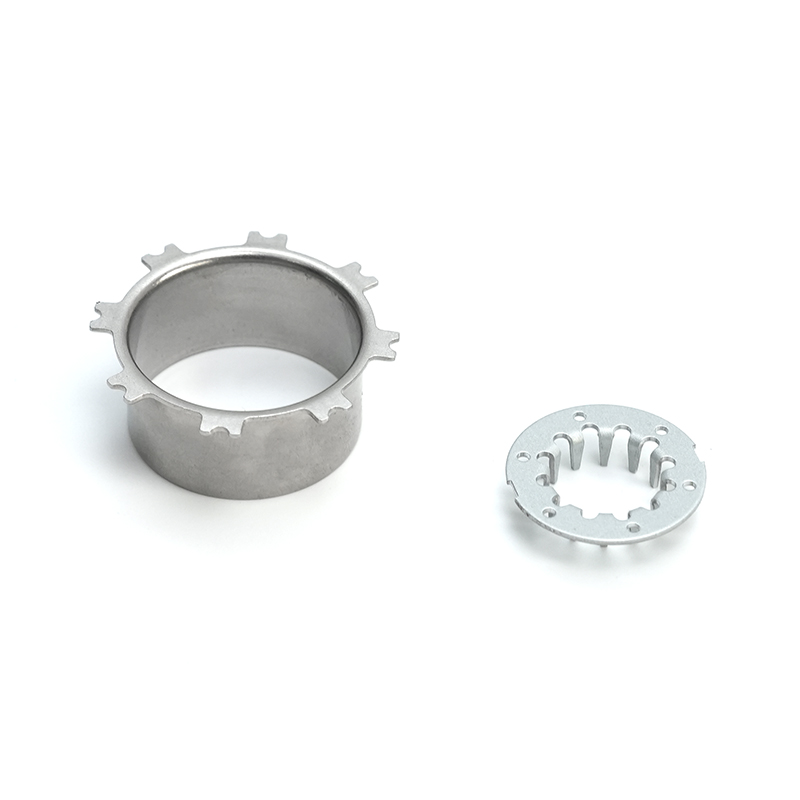
Our iron mounting bracket is a robust, versatile, and highly durable support solution designed for a wide range of industrial and commercial applications. Constructed from premium-grade iron, this mou...
See Details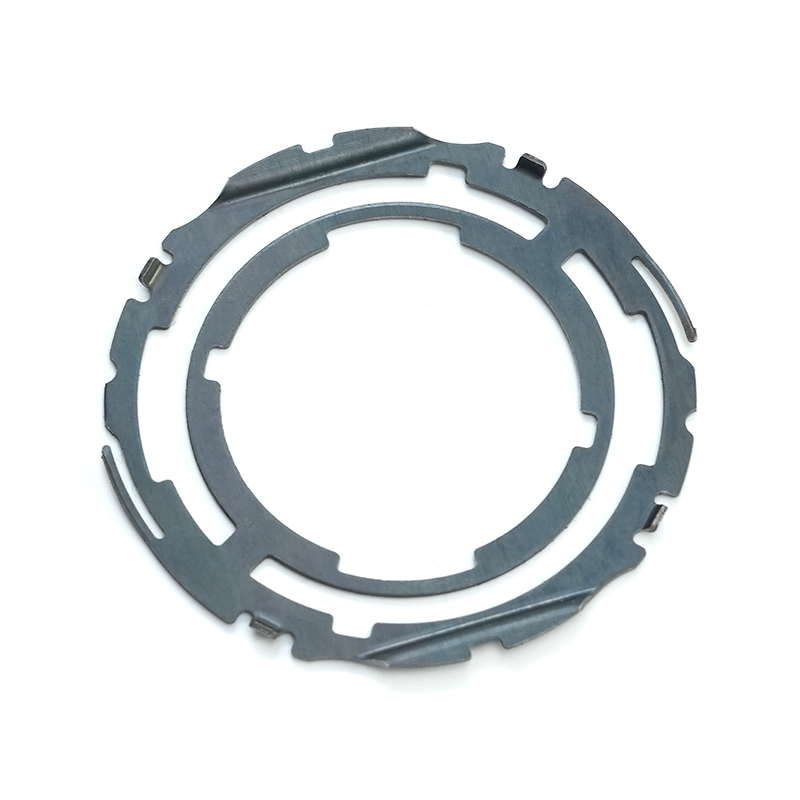
The 65Mn Iron Stamped Seat Adjuster Plate is a precision-engineered metal stamping component made from high-carbon steel (65Mn), a material known for its hardness, tensile strength, and wear resistanc...
See Details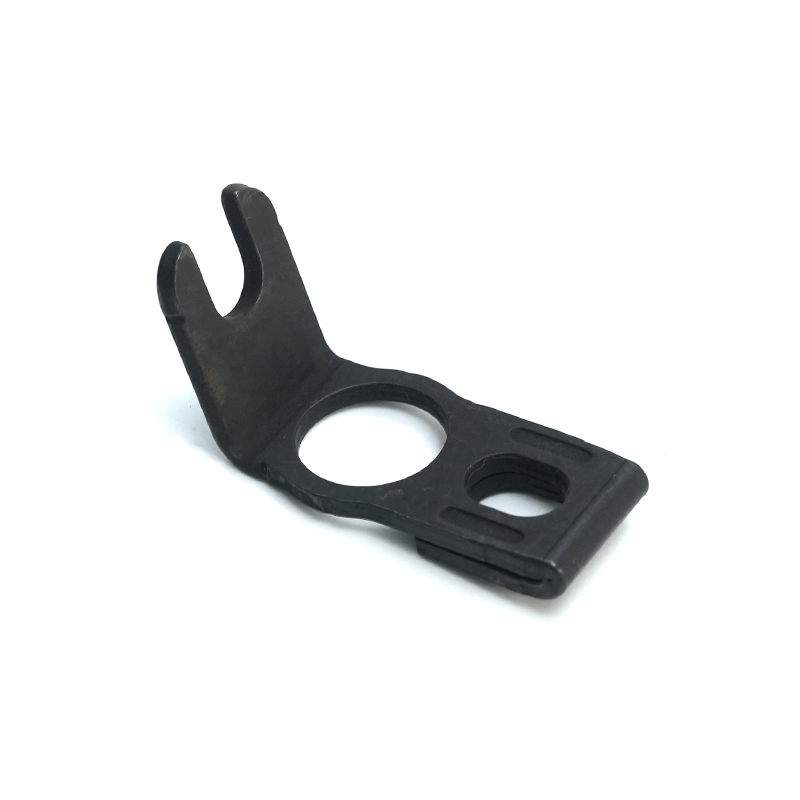
The iron gear engagement bracket is a robust, precision-engineered component designed to ensure the secure and efficient engagement of gears in various mechanical systems. Constructed from high-qualit...
See Details
Our corrosion-resistant automotive steel bracket is engineered for durability and performance in demanding automotive applications. Crafted from high-quality, corrosion-resistant steel, this bracket o...
See Details
Our copper thin-walled bearing cage is an essential component designed for use in precision bearings, offering durability and efficient performance in various industrial applications. Constructed from...
See Details
The copper silver plated water pump solenoid valve pin is a high-performance, precision-engineered component designed for functionality in water pump solenoid valves. Manufactured using a combination ...
See Details
The pure zinc plate shock absorber is a high-performance, durable solution designed to enhance the functionality and longevity of various machinery and equipment. Constructed from pure zinc material, ...
See Detailscontact details
Address: No.6 Qiasheng North Road,Caoqiao Industrial Park,Xueyan Town,Wujin District,Changzhou City,Jiangsu Province
TEL: 86-15050692548
If You Are Interested In Our Products, Please Consult Us
 Ferrous & Non-Ferrous Metal Stampings Manufacturers