简体中文
简体中文
 English
 عربى
عربى
Content
- 1 What Is a Stamped Iron Oil Baffle and Why Does It Matter?
- 2 The Stamping Process: How Iron Baffles Are Made
- 3 Stamped Iron vs. Other Baffle Materials: A Direct Comparison
- 4 Design Configurations and Where Stamped Iron Baffles Are Used
- 5 Selecting the Right Stamped Iron Oil Baffle: Key Specifications to Evaluate
What Is a Stamped Iron Oil Baffle and Why Does It Matter?
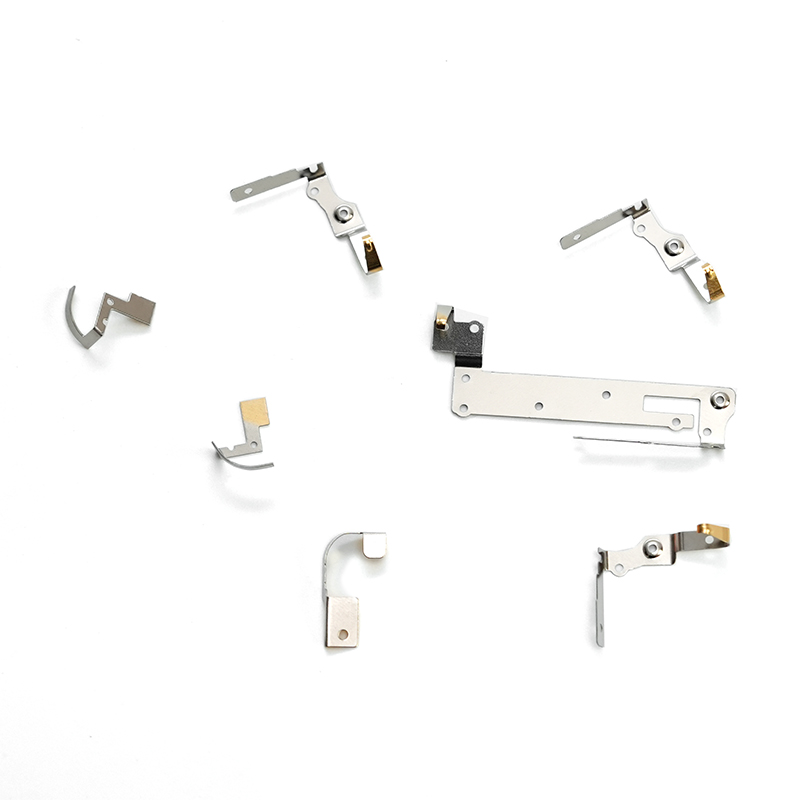
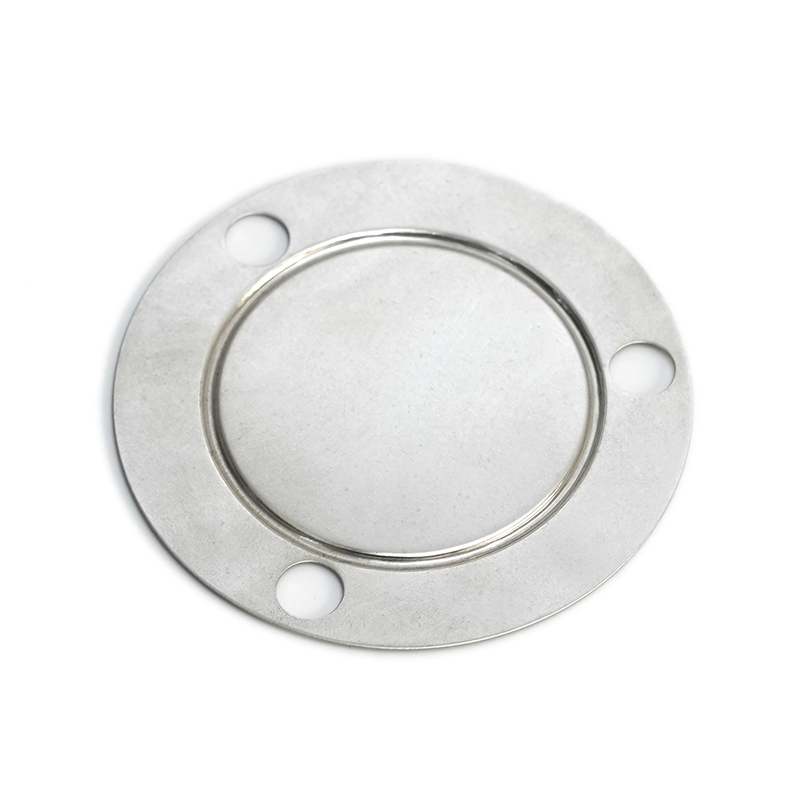
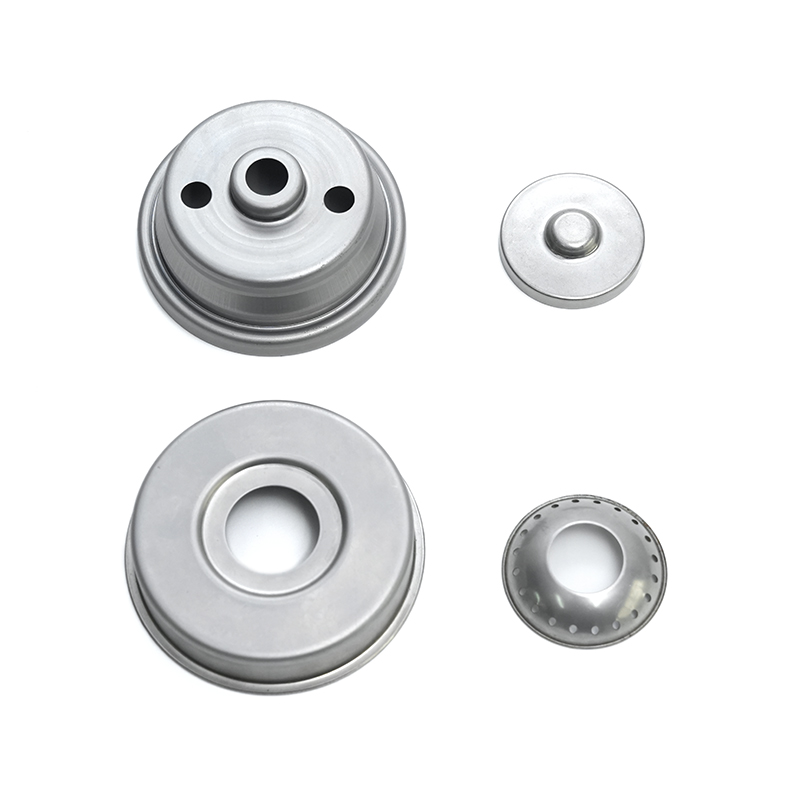
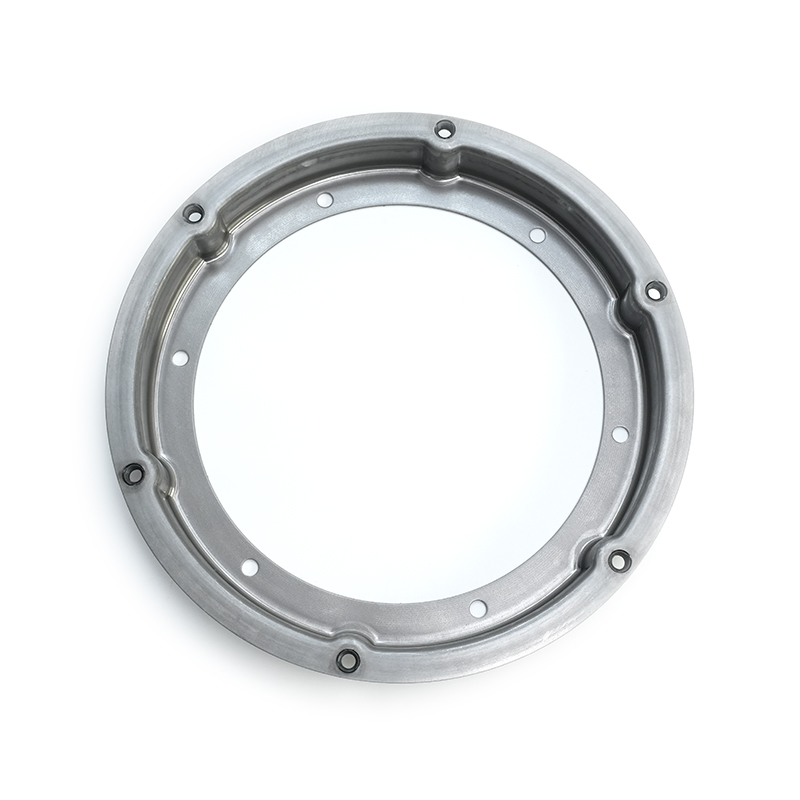
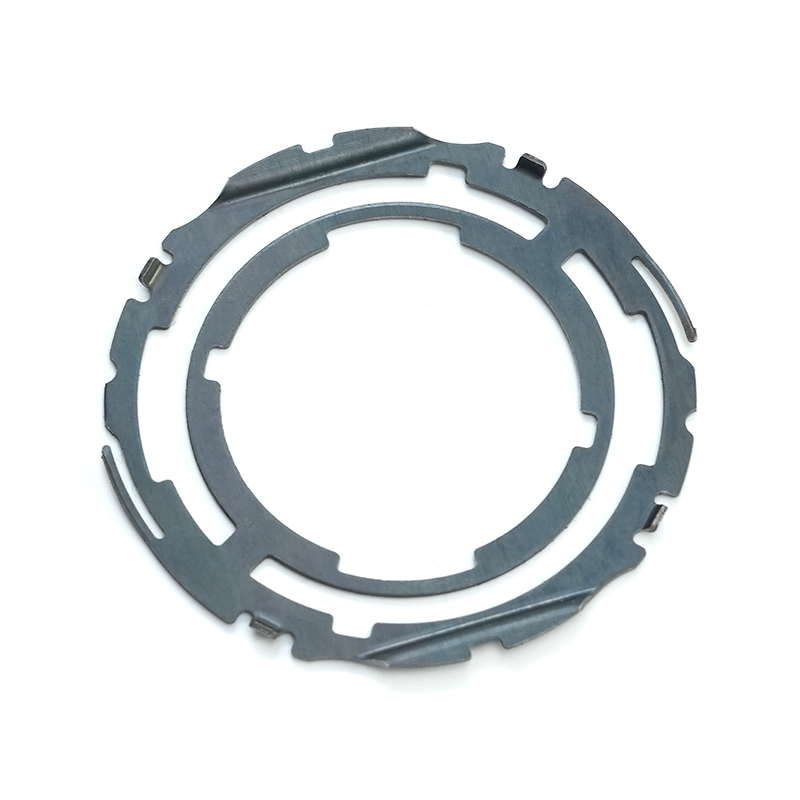
A stamped iron oil baffle is a precision-formed metal component installed inside an engine's valve cover or oil pan to control the movement of engine oil under dynamic driving conditions. Manufactured through a high-pressure stamping process, these baffles are pressed from low-carbon or ductile iron sheet, giving them the rigidity and thermal resistance required to function reliably in high-temperature lubrication environments.
The core function is straightforward: during hard acceleration, sharp cornering, or aggressive braking, engine oil tends to slosh away from the oil pickup tube. Without a baffle, the pump momentarily draws air instead of oil — a condition known as oil starvation — which can cause severe bearing wear or catastrophic engine failure within seconds. The stamped iron baffle acts as a physical barrier that keeps oil pooled around the pickup at all times.
Compared to cast or machined alternatives, stamped iron baffles offer a superior strength-to-weight ratio at a lower production cost, making them the preferred choice for both OEM applications and high-performance aftermarket builds.
The Stamping Process: How Iron Baffles Are Made
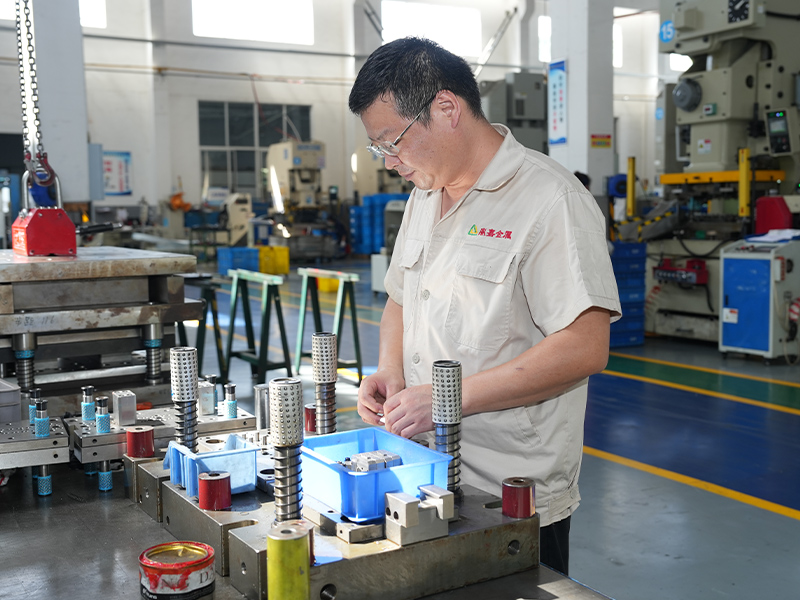
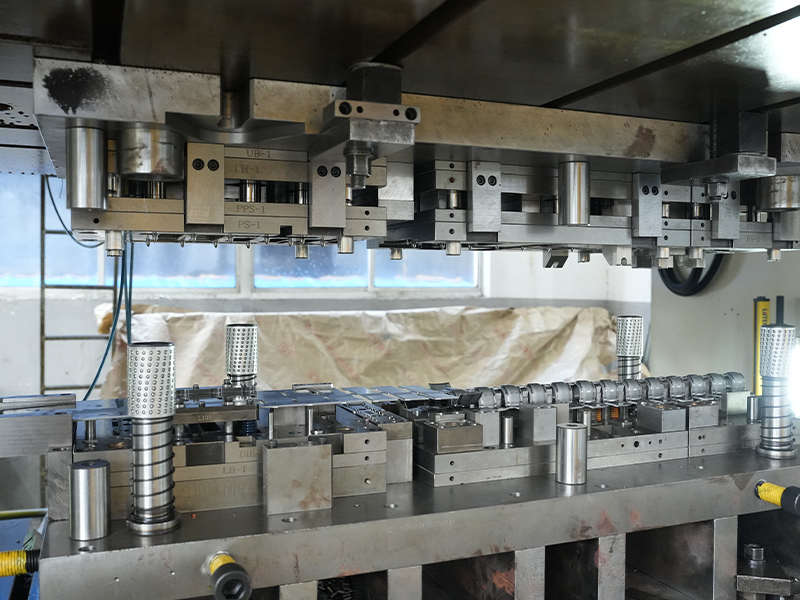
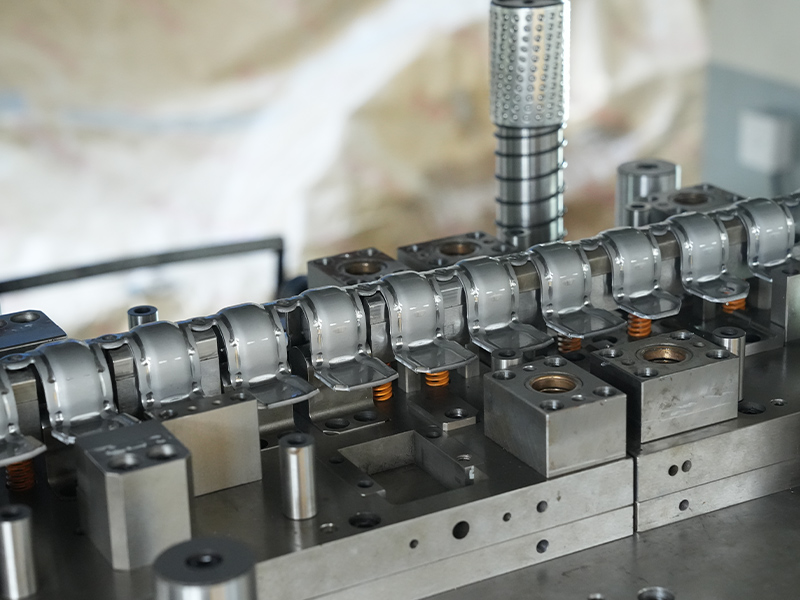
The manufacturing of a stamped iron oil baffle begins with flat iron blanks that are fed into a progressive die stamping press. Under forces commonly ranging from 200 to 1,000 tons, the material is formed through a series of stations — blanking, drawing, piercing, and trimming — each adding geometry to the part without requiring secondary machining operations.
Key process considerations include:
- Material grain direction — proper orientation ensures the baffle can flex under thermal cycling without cracking at stress risers.
- Springback compensation — iron's elastic recovery is factored into die angles to achieve dimensional accuracy within ±0.1 mm on critical mating surfaces.
- Surface finishing — phosphate coating or zinc plating is commonly applied post-stamping to resist oxidation from hot oil exposure over the engine's service life.
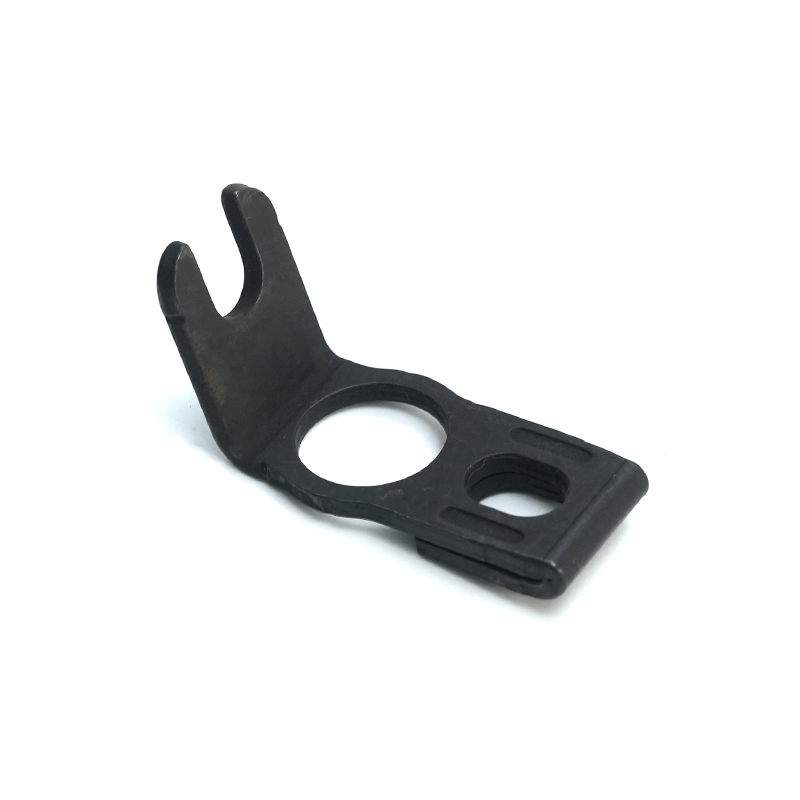
- Integrated mounting features — tabs, hooks, or threaded inserts are stamped in-process, eliminating additional assembly steps.
Progressive die stamping allows production rates of several hundred parts per hour, which is why stamped iron components dominate volume automotive supply chains.
Stamped Iron vs. Other Baffle Materials: A Direct Comparison
Engine builders and purchasing engineers frequently evaluate stamped iron against alternative materials. The table below summarizes performance characteristics across the most common options:
| Material | Heat Resistance | Weight | Cost | Typical Application |
|---|---|---|---|---|
| Stamped Iron | Excellent (up to 300°C oil temp) | Medium | Low–Medium | OEM, performance engines |
| Stamped Steel | Very Good | Medium | Low | Passenger cars, light trucks |
| Aluminum (cast/machined) | Good | Low | High | Racing, weight-critical builds |
| Plastic / Nylon | Limited (<150°C) | Very Low | Very Low | Economy vehicles, valve covers |
Iron's high modulus of elasticity and superior wear resistance make it especially suitable for diesel and turbocharged gasoline engines, where sustained oil temperatures and crankcase pressures are significantly elevated compared to naturally aspirated counterparts.
Design Configurations and Where Stamped Iron Baffles Are Used
Stamped iron oil baffles are not a single component — they appear in several distinct configurations depending on their location within the engine assembly:
Oil Pan Windage Trays
Positioned between the crankshaft and the oil sump, windage trays made from stamped iron prevent oil mist thrown by the rotating assembly from being churned into foam. Foam-laden oil loses its lubricating film strength, increasing bearing surface wear. High-output engines — particularly those producing over 400 horsepower — almost universally rely on a stamped iron windage tray to maintain stable oil pressure under sustained high-RPM operation.
Valve Cover Baffles
Inside overhead-cam valve covers, stamped iron baffles separate the positive crankcase ventilation (PCV) chamber from the main cavity. This prevents oil droplets from being drawn directly into the intake manifold, a condition that raises hydrocarbon emissions and fouls intake valves — a known problem in direct-injection engines with high-flow PCV systems.
Oil Pickup Baffles and Trap Doors
Some stamped iron baffles incorporate one-way trap door features — small stamped flaps that allow oil to flow toward the pickup under lateral loads but prevent it from flowing back. This design is common in performance and motorsport applications where a full dry-sump system is cost-prohibitive but reliable oil supply under cornering forces is critical.
Selecting the Right Stamped Iron Oil Baffle: Key Specifications to Evaluate
When sourcing a stamped iron oil baffle — whether for an OEM replacement or a custom engine build — the following specifications should drive the selection process:
- Dimensional conformance — Verify that the baffle's mounting bolt pattern, clearance height, and perimeter sealing surfaces match the specific engine block or pan casting. Even minor dimensional deviation will compromise oil retention performance.
- Material grade — Low-carbon iron (e.g., DC01/DC04 equivalent) offers better formability and corrosion treatment adhesion; higher-carbon grades provide additional stiffness for large-span baffles in truck or marine diesels.
- Surface treatment — For engines running synthetic oils at extended drain intervals, phosphate plus oil (P+O) treatment outperforms bare iron in long-term corrosion resistance.
- Trap door or fixed design — Fixed baffles are sufficient for street-driven vehicles; trap-door variants are warranted for track or off-road applications where sustained lateral G-forces exceed 0.8g.
- OEM vs. performance tolerances — Aftermarket stamped iron baffles designed for modified engines often feature tighter oil passage apertures to further restrict oil return speed, maintaining a larger reserve around the pickup under aggressive driving.
Consulting the engine's factory service manual alongside the baffle manufacturer's application guide is the most reliable method to confirm fitment before installation.