简体中文
简体中文
 English
 عربى
عربى
Content
- 1 What Is a Stamped Iron Gasket?
- 2 Common Types of Stamped Iron Gaskets
- 3 How Stamped Iron Gaskets Are Made
- 4 Stamped Iron Gasket vs. Other Gasket Types
- 5 Key Applications in Automotive and Industrial Use
- 6 How to Select the Right Stamped Iron Gasket
- 7 Installation Best Practices
- 8 Signs of a Failing Stamped Iron Gasket
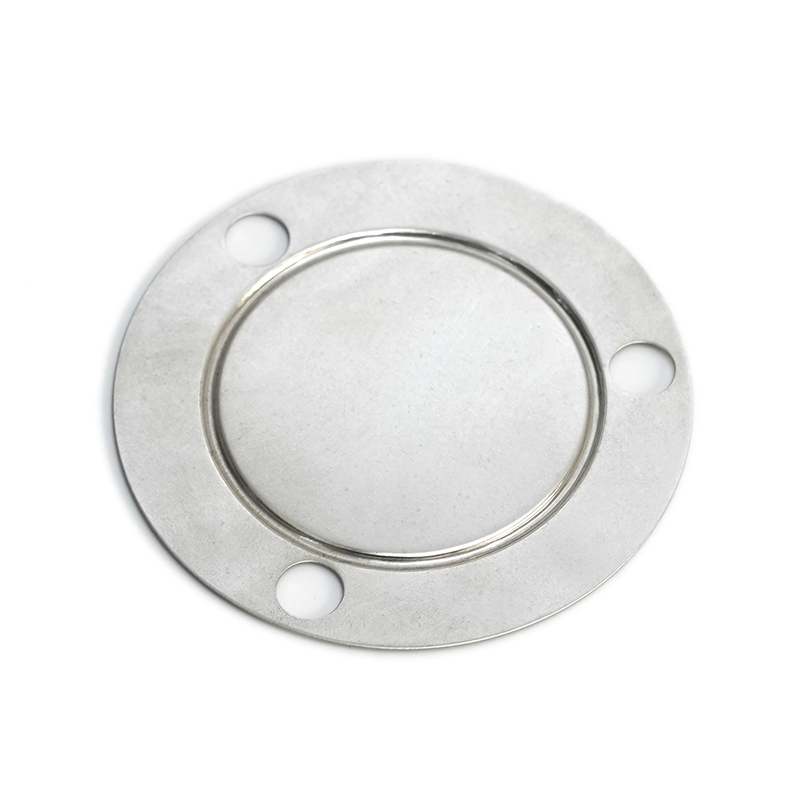
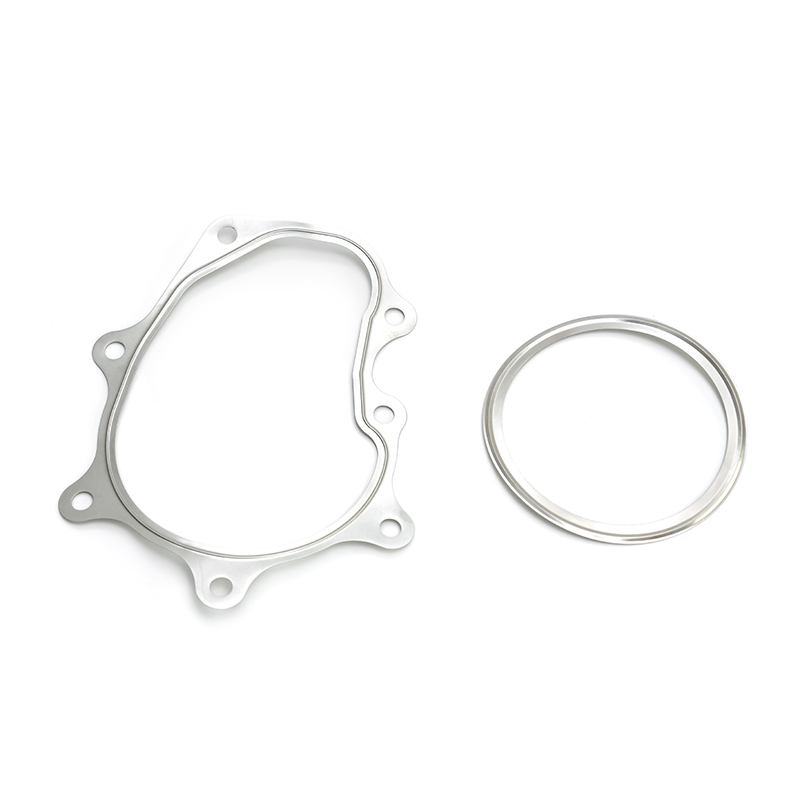
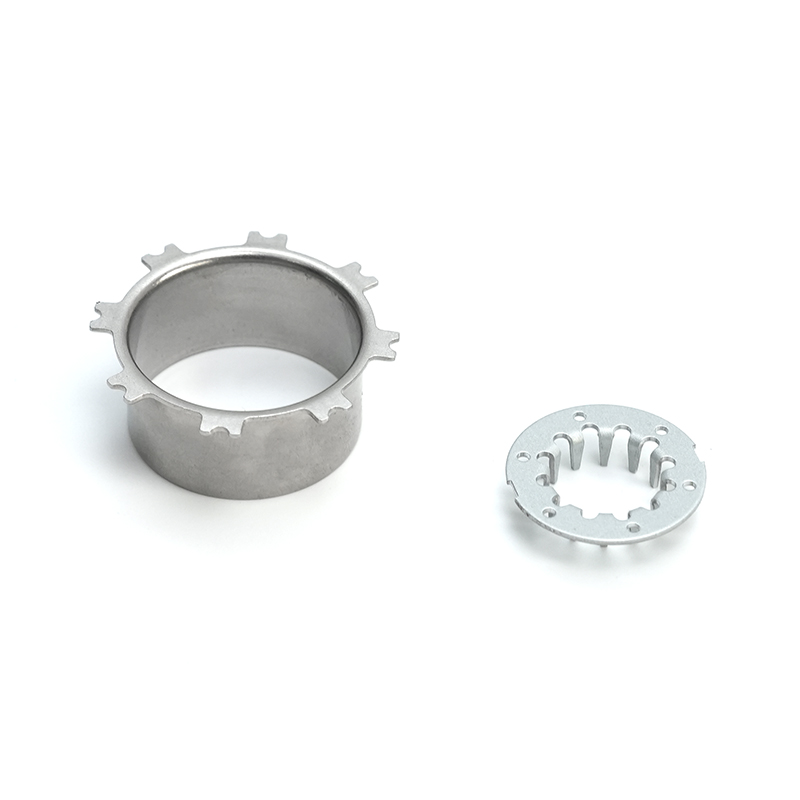
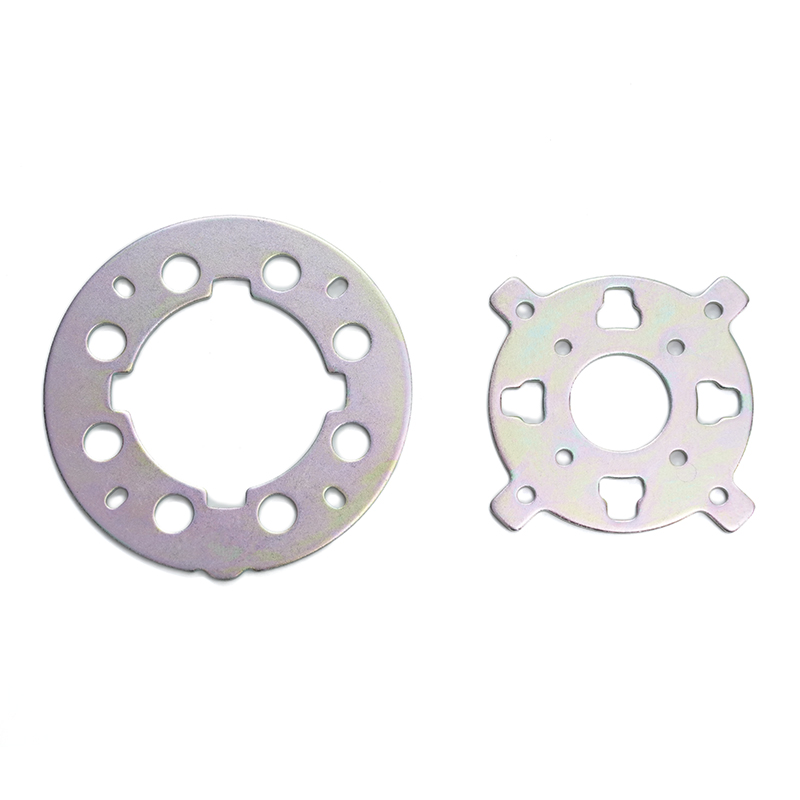
A stamped iron gasket is a sealing component manufactured by pressing or stamping sheet iron into a precise shape, designed to create a reliable, pressure-resistant seal between two mating surfaces. These gaskets are widely used in automotive engines, exhaust systems, and industrial machinery where durability under high heat and mechanical stress is essential. If you need a sealing solution that balances cost-effectiveness with long service life, stamped iron gaskets are often the practical first choice.
What Is a Stamped Iron Gasket?
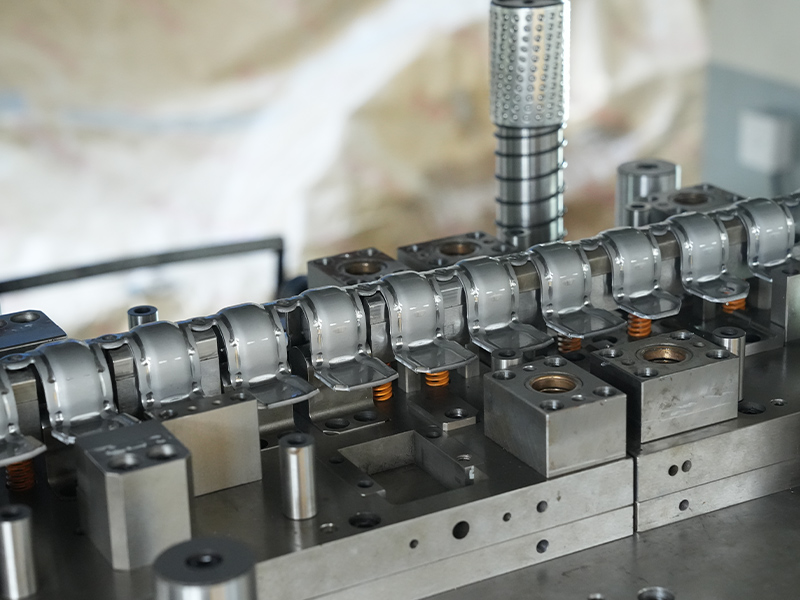
Stamped iron gaskets are produced using a metal stamping process in which flat iron or low-carbon steel sheet is fed through a die press that cuts and forms the gasket in a single or multi-stage operation. The result is a rigid, dimensionally consistent component with tight tolerances.
Unlike soft gaskets made of rubber or cork, stamped iron gaskets rely on the controlled deformation of metal under clamping force to achieve a seal. They are frequently used with a soft facing material — such as graphite, fiber, or silicone — bonded or coated onto the iron carrier to improve conformability against imperfect mating surfaces.
Key Material Properties
- Tensile strength: typically 300–500 MPa for low-carbon stamping steel
- Operating temperature range: up to 850°C (1,560°F) in bare iron form
- Thickness: commonly 0.5 mm to 3.0 mm depending on application
- Good resistance to oil, coolant, and fuel at operating temperatures
Common Types of Stamped Iron Gaskets
Not all stamped iron gaskets serve the same function. The design varies considerably based on the sealing environment and the surfaces being joined.
| Type | Construction | Typical Application |
|---|---|---|
| Plain stamped iron | Single-layer bare iron | Exhaust flanges, manifold connections |
| Faced stamped iron | Iron carrier with graphite or fiber facing | Cylinder head, valve covers |
| Embossed stamped iron | Iron with raised sealing beads stamped in | Oil pans, water pump housings |
| Corrugated iron gasket | Wavy iron profile for spring-like sealing | High-vibration pipe flanges |
Embossed gaskets are particularly effective in lower-clamping-load assemblies, where the raised bead concentrates sealing pressure without requiring excessive bolt torque — a common engineering trade-off in aluminum housings mated with iron gaskets.
How Stamped Iron Gaskets Are Made
The manufacturing process directly affects the sealing quality and dimensional accuracy of the finished gasket. Understanding it helps engineers specify the right tolerances and coating requirements.
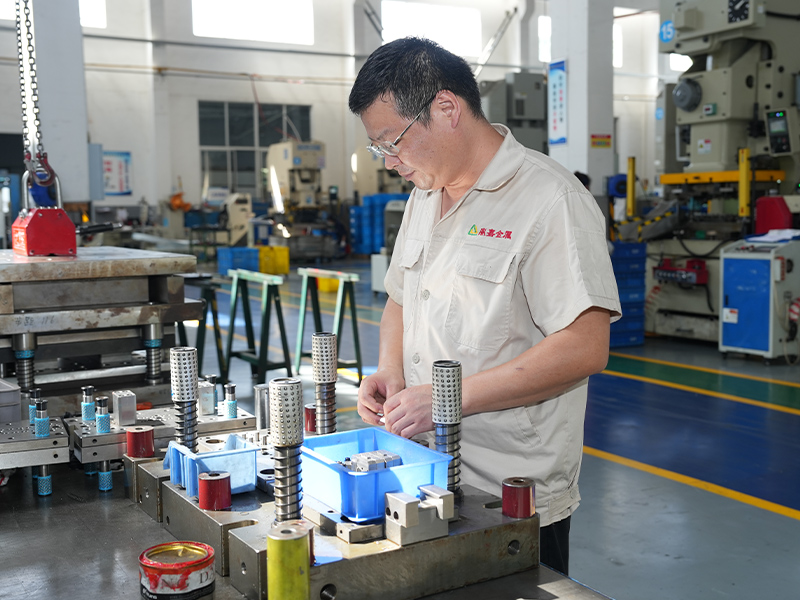
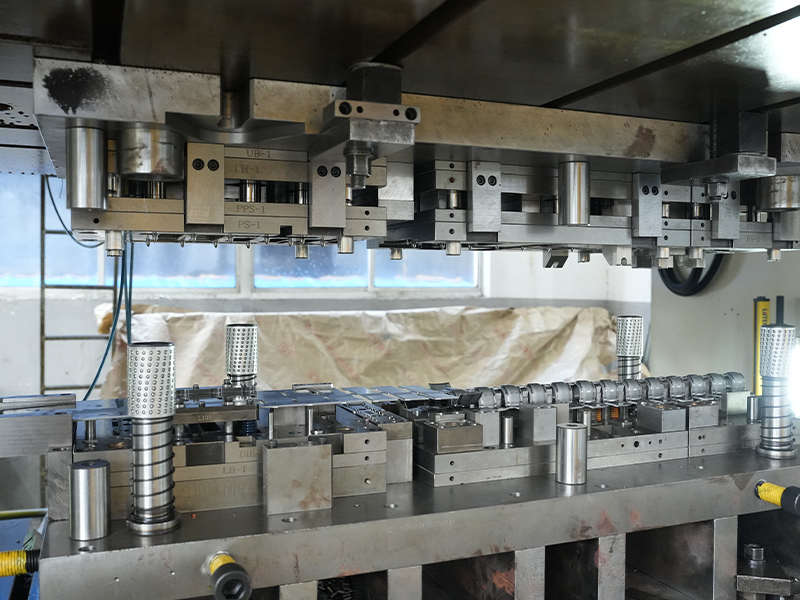
- Blanking: A coil of low-carbon steel or gray iron sheet is fed into a press, and a punch cuts the overall gasket outline.
- Piercing: Bolt holes, ports, and other openings are punched simultaneously or in a progressive die sequence.
- Forming/embossing: If sealing beads or corrugations are required, they are stamped into the surface at this stage.
- Surface treatment: The gasket may be phosphated, zinc-coated, or provided with a rubber or graphite facing bonded under heat and pressure.
- Inspection: Flatness, hole position, and thickness are measured against drawing tolerances, often within ±0.05 mm.
Progressive die stamping allows high-volume production — a single press cycle can produce hundreds of gaskets per minute, keeping unit costs low compared to machined or multi-layer steel (MLS) alternatives.
Stamped Iron Gasket vs. Other Gasket Types
Choosing the right gasket type means comparing stamped iron against its main competitors across the factors that matter most in your application.
| Gasket Type | Max Temp | Conformability | Cost | Best For |
|---|---|---|---|---|
| Stamped Iron | Up to 850°C | Moderate | Low | Exhaust, manifolds, oil pans |
| Multi-Layer Steel (MLS) | Up to 1,000°C | High | High | High-performance cylinder heads |
| Composite / Soft | Up to 400°C | Very High | Low–Medium | Low-pressure, low-temp sealing |
| Spiral Wound | Up to 1,000°C | High | Very High | Industrial pipe flanges, pressure vessels |
For most standard automotive exhaust or accessory applications, the stamped iron gasket offers the best value. MLS gaskets become necessary when cylinder pressures exceed roughly 100 bar or surface finish requirements demand sub-micron flatness tolerance.
Key Applications in Automotive and Industrial Use
Stamped iron gaskets appear throughout engines and machinery wherever a repeatable, heat-stable seal is needed at moderate cost.
Automotive Applications
- Exhaust manifold gaskets: One of the most common uses. The gasket must withstand rapid thermal cycling between ambient temperature and over 600°C without losing clamping load.
- Valve cover gaskets: Often a faced stamped iron design with a silicone or rubber lip for oil sealing around the perimeter.
- Oil pan gaskets: Embossed stamped iron provides consistent compression across large, thin flanges prone to warping.
- Water pump and thermostat housing gaskets: Seals coolant passages at moderate pressures (typically under 2 bar).
Industrial Applications
- Pump and compressor housings: Stamped iron gaskets seal split housings where machined surfaces may have minor imperfections.
- Boiler and heat exchanger flanges: Where elevated temperature resistance is needed without the cost of spiral wound solutions.
- Gearbox covers: Thin embossed iron gaskets maintain oil retention across cover joints subjected to vibration.
How to Select the Right Stamped Iron Gasket
Selecting incorrectly leads to leaks, premature failure, or unnecessary overspecification and cost. Use these criteria as a practical checklist.
Surface Finish of Mating Flanges
Bare stamped iron gaskets require a relatively smooth mating surface — typically Ra 1.6 to 3.2 µm. Rougher surfaces need a faced gasket with graphite or fiber to fill micro-gaps. If your flange surface finish is worse than Ra 6.3 µm, consider a composite or MLS gasket instead.
Operating Pressure and Temperature
Stamped iron is suitable for pressures up to approximately 70 bar in faced configurations. Beyond that, the gasket may relax under sustained load (creep), causing a loss of clamp force and eventual leakage. For high-pressure applications above this range, MLS or spiral wound designs are preferred.
Bolt Load and Flange Stiffness
Thin or flexible flanges — common in cast aluminum housings — benefit from embossed stamped iron gaskets. The raised bead localizes sealing stress, achieving an effective seal even when overall bolt torque is kept low to prevent flange distortion. As a rule of thumb, embossed designs work well when the flange-to-gasket stiffness ratio is greater than 10:1.
Fluid Compatibility
Iron is compatible with engine oil, coolant (with correct inhibitors), exhaust gas, and most fuels. However, bare iron is susceptible to corrosion from water condensation in low-temperature exhaust applications. In such cases, specify a zinc-phosphate or galvanized coating to extend gasket life.
Installation Best Practices
Even a well-specified gasket will fail prematurely if installed incorrectly. Follow these steps for reliable sealing:
- Clean mating surfaces thoroughly. Remove all traces of old gasket material and sealant. Even small debris can cause uneven compression and localized leaks.
- Check flange flatness. Use a straightedge and feeler gauge. Warpage exceeding 0.1 mm per 100 mm of flange length will likely cause leaks with a stamped iron gasket.
- Torque bolts in sequence. Always follow the manufacturer's cross-pattern torque sequence and specified values. Over-torquing can crack the iron or permanently deform soft facings.
- Re-torque after initial heat cycle. Soft facings settle after the first thermal cycle. Re-torquing to spec after the first run reduces the risk of early leakage — particularly important on exhaust manifold applications.
- Do not reuse compressed gaskets. Once a stamped iron gasket has been fully compressed and thermally cycled, its sealing bead or facing is permanently set. Reuse almost always leads to leaks.
Signs of a Failing Stamped Iron Gasket
Recognizing early failure symptoms prevents secondary damage to flanges, threads, and adjacent components.
- Visible exhaust blow-by: Black soot tracks radiating from the flange joint indicate combustion gas escaping past the gasket.
- Oil or coolant seepage: Wet residue around the gasket perimeter, sometimes accompanied by burning smell as fluid contacts hot metal.
- Audible ticking or popping noise: A metallic ticking from the exhaust area, most prominent when the engine is cold, suggests a manifold gasket leak.
- Iron corrosion and cracking: Inspect removed gaskets for rust perforation or cracking at the bead — both indicate the end of service life.
In most cases, a leaking stamped iron gasket cannot be reliably re-sealed by re-torquing alone. Replacement with a new gasket, combined with flange inspection and resurfacing if necessary, is the correct remedy.