When engineers and fleet managers talk about vehicle reliability, they rarely start with flanges. Yet these precision-engineered connectors are quietly responsible for holding critical systems together — from exhaust to drivetrain to braking. Automotive steel flanges are among the most functionally important components in modern vehicles, and their material quality directly determines how long a vehicle performs at its best.
This article explores how steel flanges contribute to vehicle performance and durability, what makes steel the preferred material, and how choosing the right flange impacts long-term reliability.
What Are Automotive Steel Flanges?
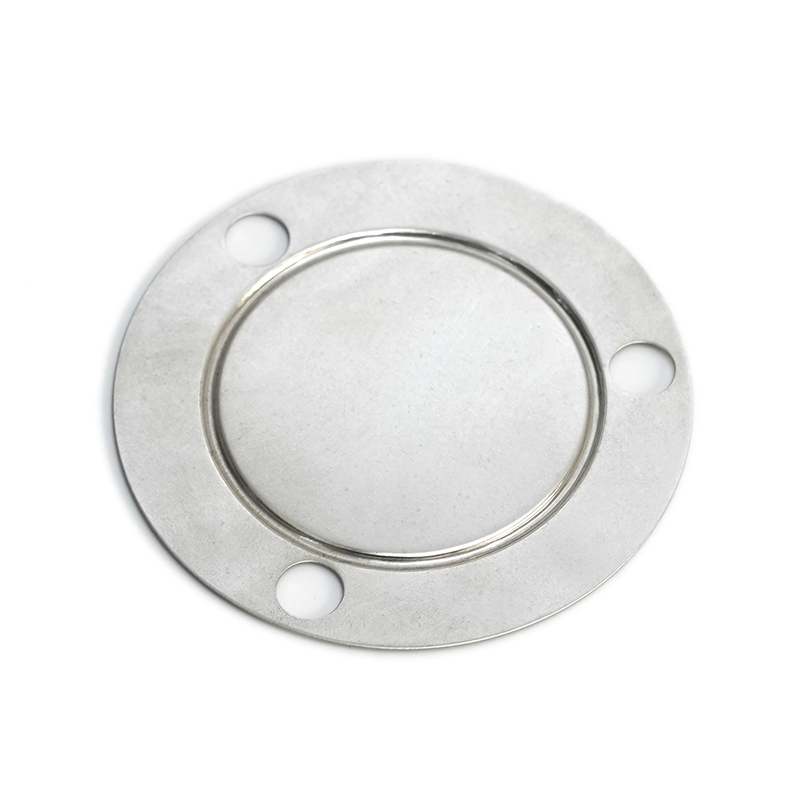
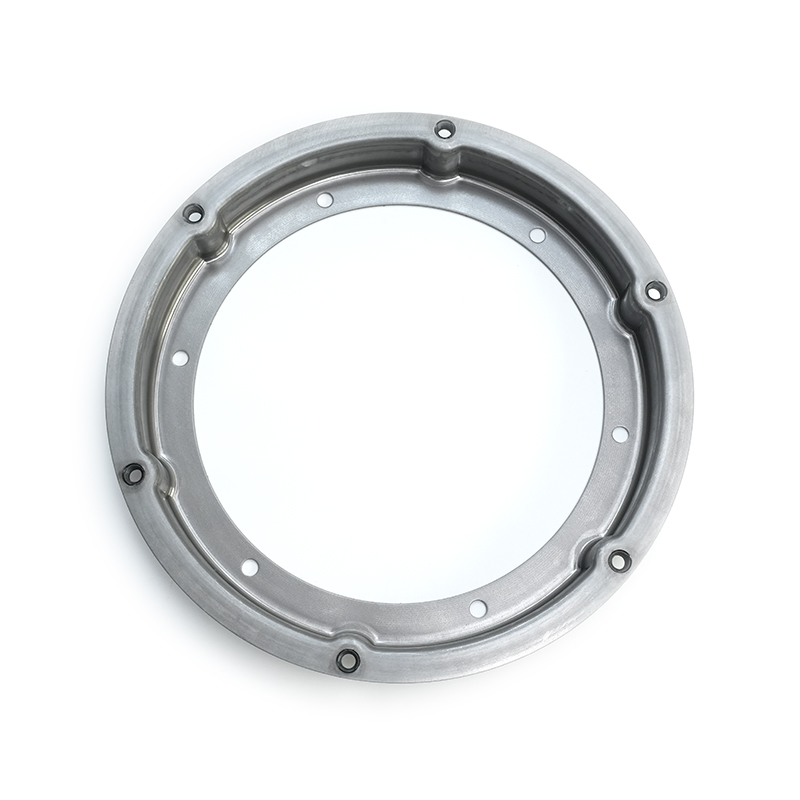
A flange is a projecting rim or plate used to connect two components, create a sealed joint, or provide a mounting surface. In automotive applications, flanges appear across nearly every major system in the vehicle. They serve as the mechanical interface between pipes, shafts, manifolds, and housings — ensuring structural continuity and leak-free operation under demanding conditions.
Common types of steel flange products used in vehicles include:
- Exhaust flanges – Connect exhaust pipes to manifolds, catalytic converters, and mufflers
- Transmission flanges – Link the transmission output shaft to the driveshaft for power transfer
- Differential flanges – Interface between the driveshaft and the differential assembly
- Wheel hub flanges – Mount brake rotors and wheels to the hub assembly
- Turbo flanges – Connect turbocharger outlets to the exhaust or intake system
Each of these applications demands consistent dimensional accuracy, high mechanical strength, and resistance to heat, vibration, and corrosion. Steel meets all of these requirements better than virtually any alternative material at scale.
Why Steel Is the Material of Choice for Automotive Flanges
While aluminum and rubber play supporting roles in certain flange applications, steel dominates where strength and durability matter most. The reasons come down to three fundamental properties.
Tensile Strength Under Load
Automotive flanges experience constant mechanical stress from torque, vibration, thermal expansion, and road dynamics. Carbon steel and stainless steel grades used in automotive flanges typically deliver tensile strengths ranging from 400 MPa to over 800 MPa, depending on the alloy and processing method. This structural integrity prevents deformation under sustained load — a failure mode that would compromise joint sealing and component alignment.
Thermal Resistance
Exhaust and turbo flanges regularly operate at temperatures exceeding 600°C. Stainless steel grades such as 304 and 316 retain their structural properties at elevated temperatures, resisting oxidation and maintaining dimensional stability through repeated heating and cooling cycles. This is essential for maintaining gas-tight seals over the lifetime of the vehicle.
Corrosion Resistance
Road salt, moisture, and exhaust condensation create aggressive corrosion environments in the undercarriage. Steel flanges with appropriate surface treatments — including zinc plating, hot-dip galvanizing, or stainless steel composition — resist oxidation and pitting, preventing joint degradation that could lead to leaks or mechanical failure.
| Material | Strength | Heat Resistance | Corrosion Resistance | Best Application |
|---|---|---|---|---|
| Carbon Steel | High | Moderate | Moderate (with coating) | Transmission, drivetrain flanges |
| Stainless Steel (304/316) | High | Excellent | Excellent | Exhaust, turbo flanges |
| Aluminum | Moderate | Limited | Good | Intake flanges, lightweight applications |
| Cast Iron | Moderate | Good | Low | OEM exhaust manifold connections |
Key Applications That Drive Vehicle Performance
Understanding where steel flanges operate reveals exactly why their quality has a direct bearing on overall vehicle performance.
Exhaust System Flanges
The exhaust system must channel hot combustion gases from the engine to the tailpipe without leaks. A failing exhaust flange can allow toxic gases to escape into the cabin, reduce backpressure efficiency, and increase engine noise. Steel flanges — machined to precise flatness tolerances — maintain a reliable gas-tight seal even as the exhaust system expands and contracts with temperature changes.
Transmission and Driveshaft Flanges
The transmission flange is the critical point where rotational power transitions from the gearbox to the driveshaft. At high torque loads, even minor flange misalignment or material fatigue can cause vibration, premature bearing wear, or catastrophic joint failure. Forged steel flanges offer superior fatigue resistance compared to cast alternatives, making them the standard choice for high-performance and commercial vehicle drivetrains.
Wheel Hub and Brake Flanges
Brake rotor mounting flanges must distribute clamping forces evenly across the rotor face to ensure consistent braking performance. Warping or dimensional inconsistency in these flanges leads directly to brake judder, uneven pad wear, and extended stopping distances. Steel hub flanges provide the rigidity needed to maintain rotor geometry under repeated thermal and mechanical stress.
How Steel Flanges Contribute to Long-Term Durability
Vehicle durability is ultimately determined by the weakest link in each system. Steel flanges contribute to longevity in several measurable ways.
Sustained Sealing Integrity
A flange that maintains its flatness and surface finish over time ensures that gaskets and sealing surfaces remain effective throughout the vehicle's service life. High-quality steel flanges machined to tight tolerances — typically within 0.05 mm of flatness — prevent the micro-movement and leakage that degrades system performance over time.
Fatigue Life Under Cyclic Loading
Every road irregularity and engine pulse subjects flanged connections to cyclic stress. Steel's high fatigue endurance limit — the stress level below which it can theoretically withstand unlimited load cycles — makes it uniquely suited for the repetitive loading environment of automotive applications. This translates directly into fewer warranty claims and longer service intervals.
Thermal Cycling Tolerance
Flanges in exhaust and turbo systems undergo thousands of thermal cycles over a vehicle's lifetime. Steel's combination of high thermal conductivity and expansion coefficient control helps distribute heat stress evenly, reducing the risk of cracking or distortion that would compromise joint integrity.
Choosing the Right Automotive Steel Flange
Selecting an appropriate flange requires matching several technical parameters to the specific application. For procurement engineers and vehicle builders sourcing custom automotive flanges, the key considerations include:
- Material grade: Carbon steel (ASTM A105) for general drivetrain applications; stainless steel 304 or 316 for exhaust and high-temperature environments
- Dimensional precision: Bolt hole pattern accuracy, face flatness, and bore diameter tolerances must match OEM specifications or custom assembly requirements
- Surface treatment: Zinc plating, phosphating, or passivation to match the corrosion exposure profile of the installation environment
- Manufacturing process: Forged flanges offer better grain structure and fatigue resistance than cast flanges for high-stress applications
- Certifications: ISO, IATF 16949, or OEM-specific quality standards ensure consistent production quality across batches
Working with a manufacturer that can provide material certifications, dimensional inspection reports, and consistent batch quality is essential for automotive supply chains where component failure is not an option.
Conclusion
Automotive steel flanges may not attract attention on the showroom floor, but they are foundational to how well a vehicle performs and how long it lasts. From the exhaust manifold to the wheel hub, the quality and material specification of steel flanges directly determines vehicle reliability — affecting everything from exhaust efficiency to braking consistency to drivetrain longevity.
For manufacturers, fleet operators, and aftermarket suppliers who require flanges that perform consistently under real-world conditions, the choice of steel grade, manufacturing method, and supplier quality management matters enormously. Contact our team to discuss your automotive flange requirements and receive detailed material and dimensional specifications tailored to your application.