Core Manufacturing Technologies for Precision Valve Housings
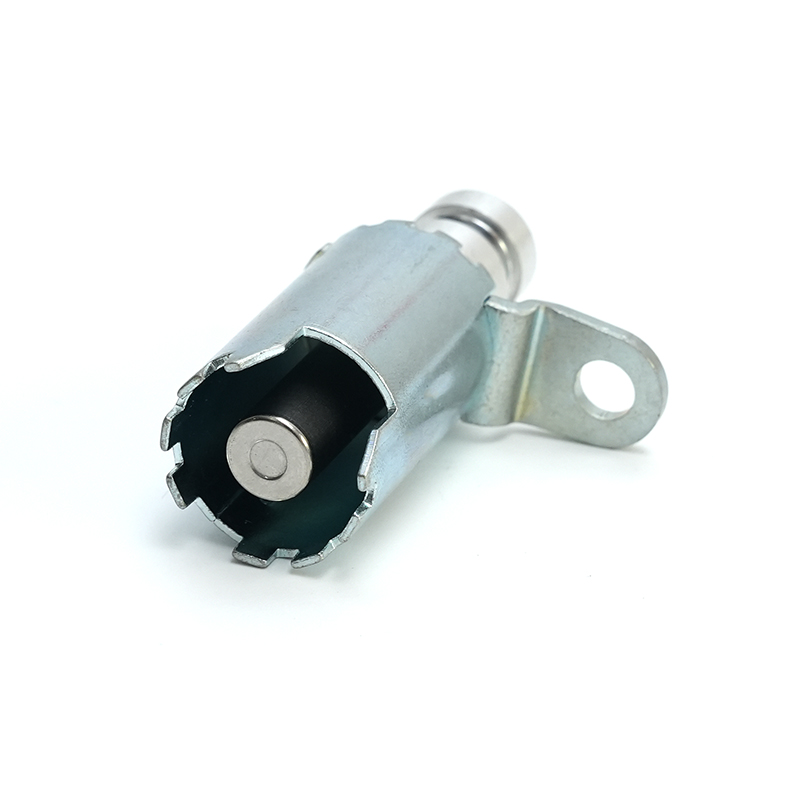
High-precision stamped iron solenoid valve housing rely on three fundamental manufacturing processes: progressive die stamping for complex geometries, precision deep drawing for cylindrical forms, and multi-stage forming for dimensional accuracy. These processes achieve tolerance levels of ±0.05mm while maintaining wall thickness uniformity within ±0.02mm. The combination of advanced tooling, material science, and process control enables the production of housings that withstand operating pressures up to 10 MPa and temperatures ranging from -40°C to 150°C.
Progressive Die Stamping for Complex Geometries
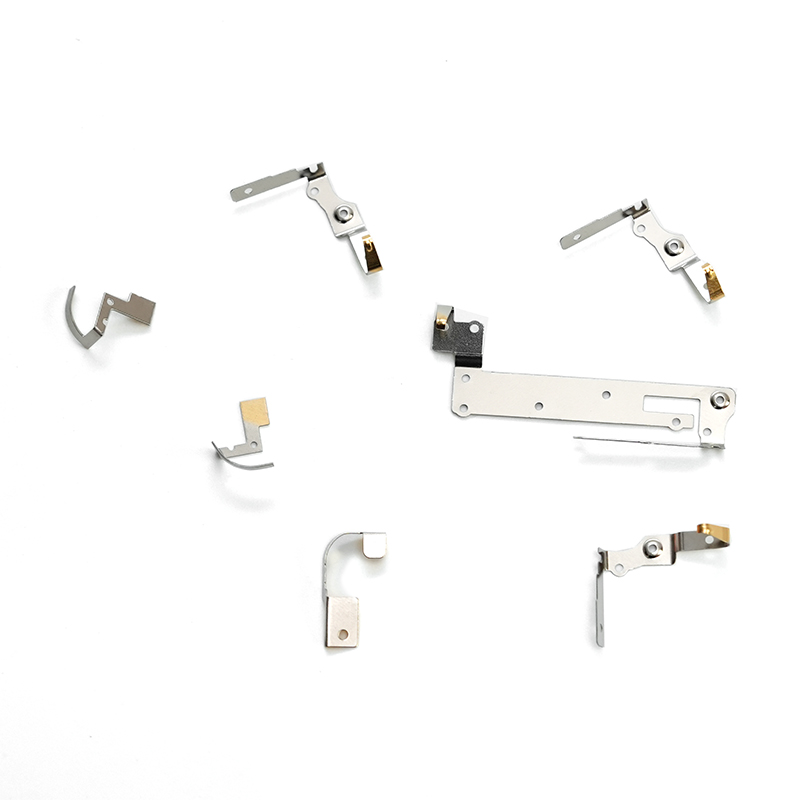
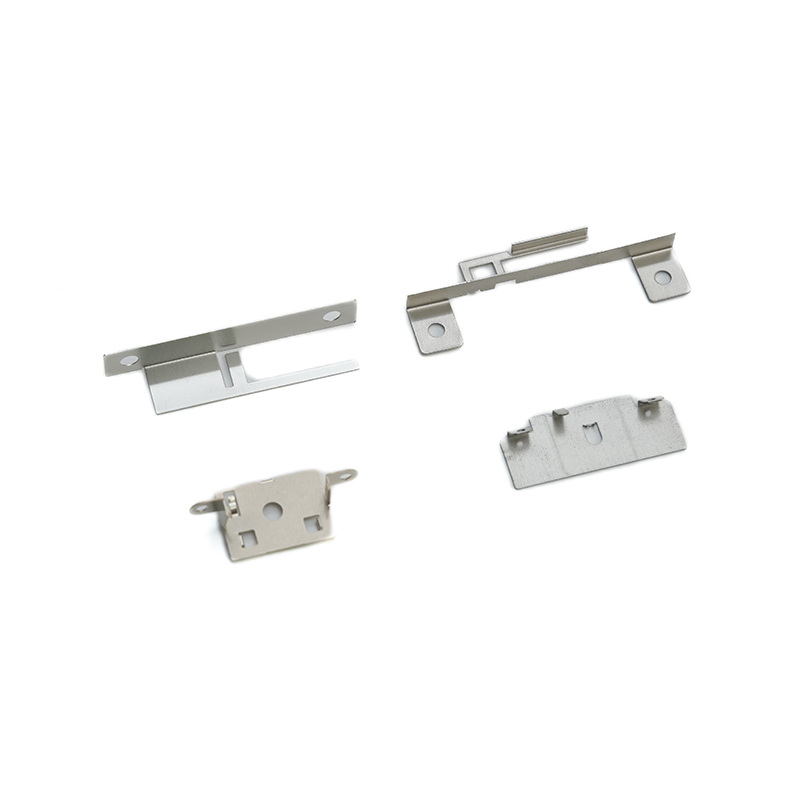
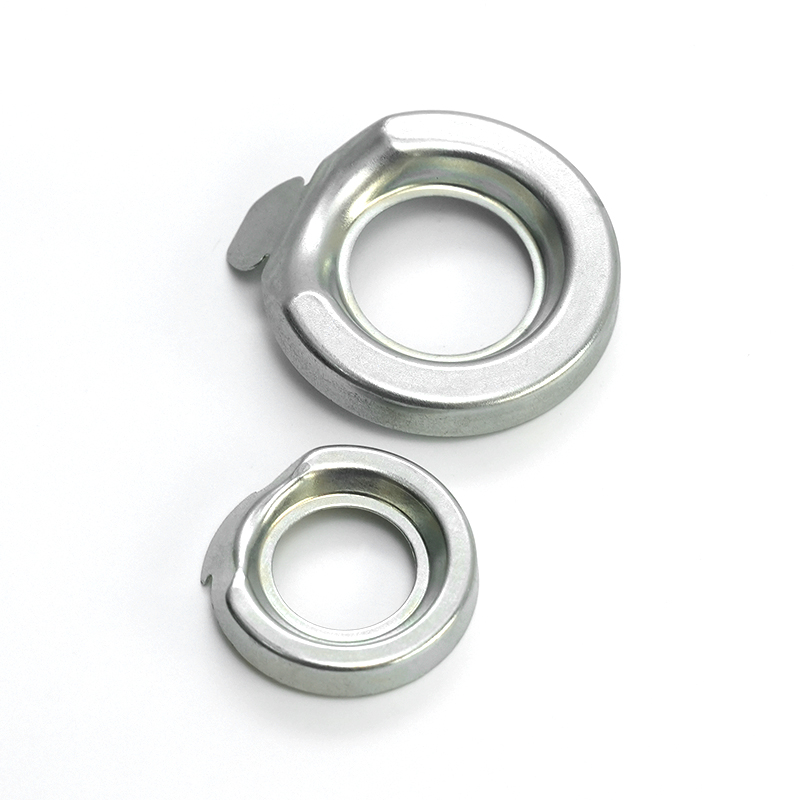
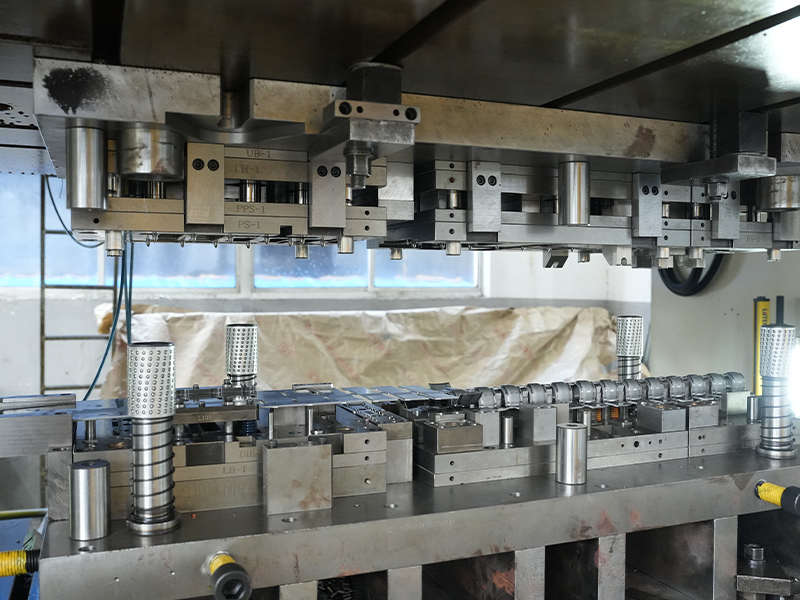
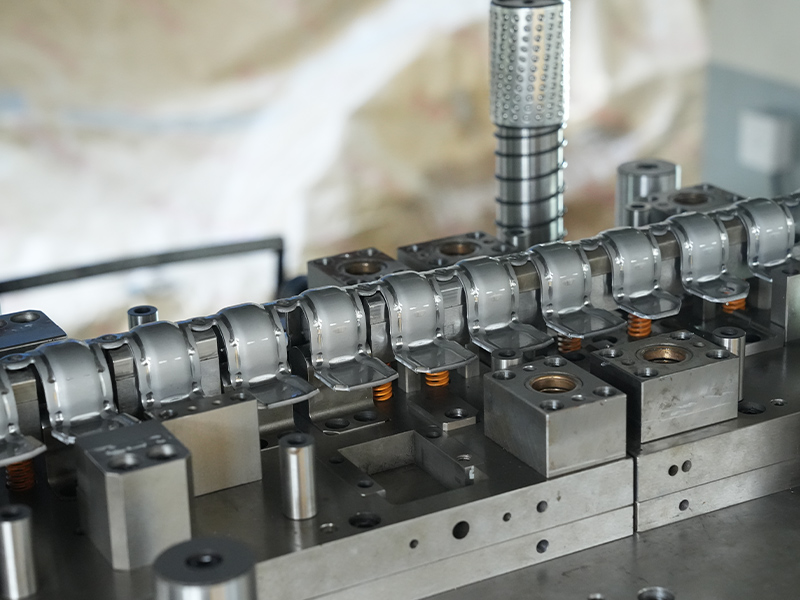
Progressive die stamping represents the primary method for manufacturing solenoid valve housings with intricate features. This process transforms flat metal strips into finished components through a series of synchronized operations performed at a single die station.
Die Design and Station Configuration
A typical progressive die for valve housing production contains 12 to 20 stations, each performing specific operations:
- Pilot holes and guidance features
- Blanking and piercing operations
- Forming and bending sequences
- Coining for surface finish
- Cut-off and part separation
Material Flow and Strip Management
The carrier strip maintains component positioning accuracy throughout the progression. Optimal strip width ratios range from 1.2 to 1.5 times the part width, ensuring stable transport while minimizing material waste. Feed progression precision must remain within ±0.02mm to maintain cumulative tolerance control across all stations.
Precision Deep Drawing for Cylindrical Housing Forms
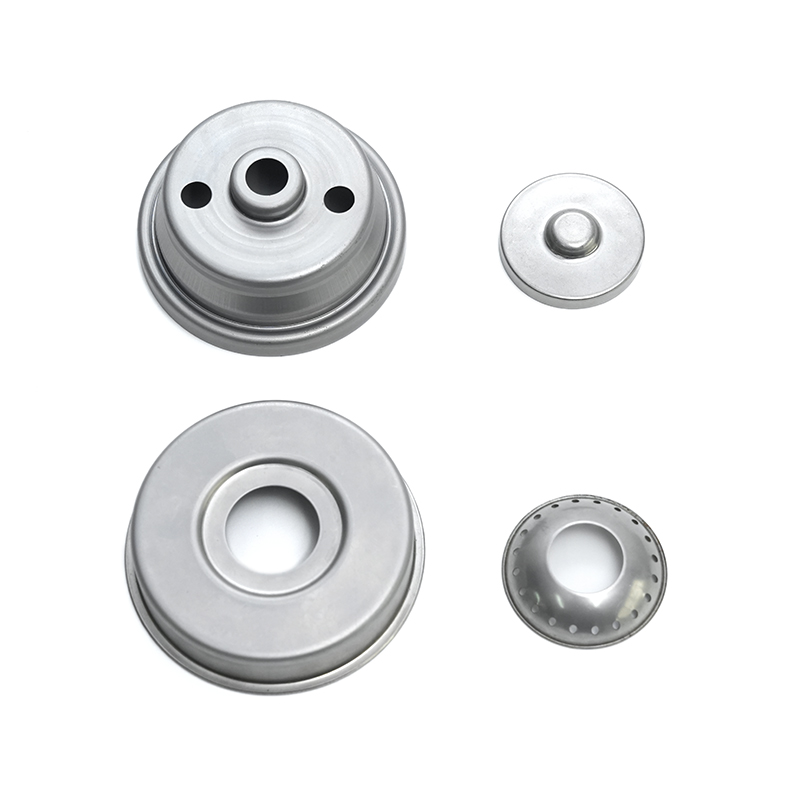
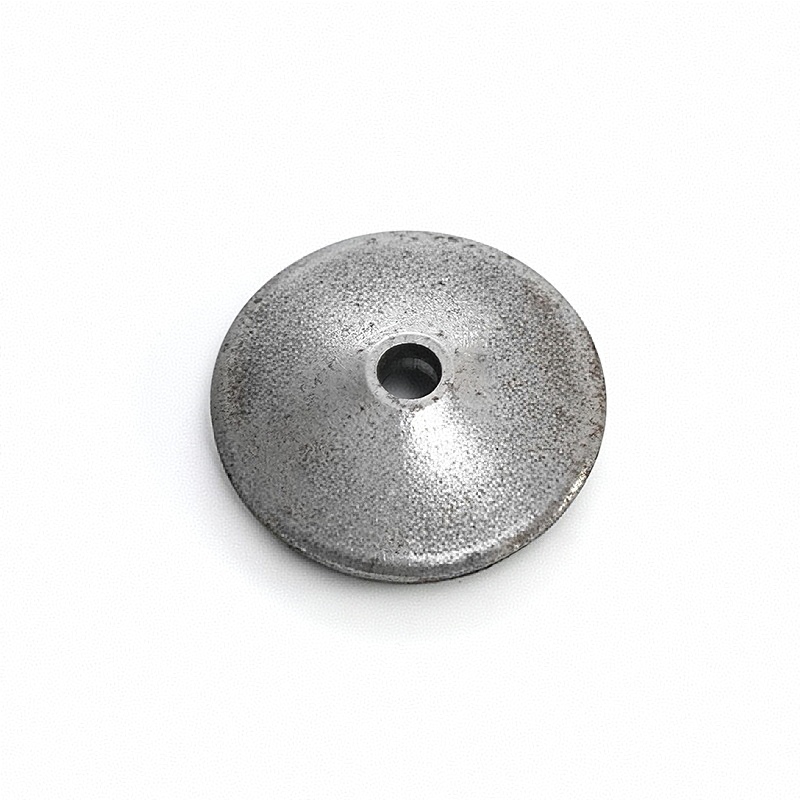
Deep drawing creates the cylindrical or rectangular enclosures that form the main body of solenoid valve housings. This process requires careful control of material deformation to prevent tearing, wrinkling, or thickness variation.
Drawing Ratio Limitations
The limiting drawing ratio (LDR) for low-carbon steel commonly used in valve housings typically ranges from 2.0 to 2.3 for the first draw. Subsequent redraw operations achieve ratios of 1.3 to 1.5. For housing depths exceeding 50mm, multiple drawing stages become necessary with intermediate annealing to restore material ductility.
| Parameter | First Draw | Second Draw | Third Draw |
|---|---|---|---|
| Drawing Ratio | 2.0-2.3 | 1.3-1.5 | 1.2-1.3 |
| Blank Holder Force | 15-20% of press capacity | 12-18% of press capacity | 10-15% of press capacity |
| Punch Speed | 150-200 mm/s | 200-250 mm/s | 250-300 mm/s |
Tooling Surface Requirements
Punch and die surfaces require surface roughness values between Ra 0.4 to 0.8 μm to minimize friction while preventing galling. Radius transitions at punch corners must maintain 4 to 6 times the material thickness to reduce stress concentration and cracking risk.
Multi-Stage Cold Forming for Dimensional Accuracy
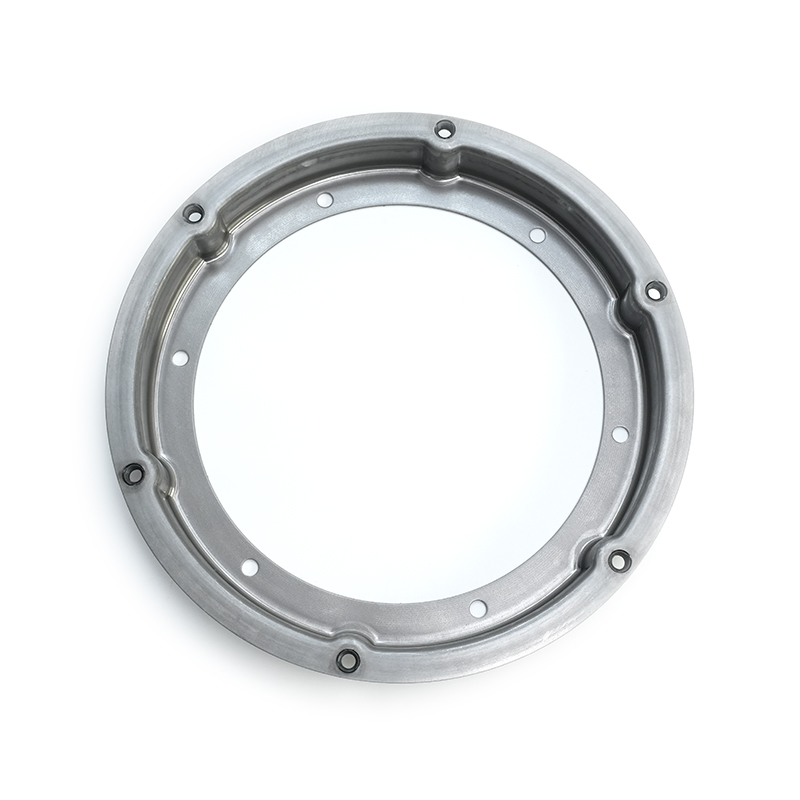
Cold forming operations refine housing geometry after initial stamping and drawing processes. These operations include sizing, coining, and ironing to achieve precise tolerances required for solenoid assembly.
Ironing for Wall Thickness Control
Ironing reduces wall thickness while increasing height, achieving uniformity critical for magnetic flux consistency in solenoid applications. Typical ironing reductions range from 20% to 30% of the original wall thickness per stage. For valve housings requiring 1.5mm final wall thickness, starting material of 2.0mm undergoes two ironing operations with intermediate stress relief.
Coining for Surface Finish and Detail
Coining operations imprint fine details such as mounting threads, sealing surfaces, and identification marks. This process applies pressures of 800 to 1200 MPa, creating surface finishes of Ra 0.2 to 0.4 μm on critical sealing areas. The compressed material density increases by 2% to 5%, enhancing strength and corrosion resistance.
Material Selection and Preparation
The manufacturing process begins with appropriate material specification. Low-carbon steels such as DC04 or DC05 grades provide the optimal balance of formability and strength for solenoid valve housings.
Mechanical Property Requirements
Raw material specifications must meet strict parameters:
- Yield strength: 180 to 240 MPa
- Tensile strength: 270 to 350 MPa
- Elongation: minimum 38%
- r-value (plastic strain ratio): minimum 1.8
- n-value (strain hardening exponent): 0.18 to 0.24
Surface Quality and Lubrication
Incoming material must exhibit surface roughness below Ra 1.6 μm without defects exceeding 0.1mm depth. Pre-lubrication with phosphate conversion coatings and soap lubricants reduces friction coefficients to 0.08 to 0.12, enabling complex forming without surface damage.
Heat Treatment and Stress Relief
Cold working introduces residual stresses that affect dimensional stability and magnetic properties. Controlled heat treatment processes restore material characteristics while maintaining geometric precision.
Inter-Process Annealing
Between deep drawing stages, batch annealing at 680°C to 720°C for 2 to 4 hours recrystallizes the grain structure. This treatment reduces hardness from 85 HRB to 55 HRB, enabling subsequent forming operations without cracking. Protective atmosphere control prevents oxidation, maintaining surface quality for subsequent processing.
Final Stress Relief
Final stress relief at 550°C to 600°C for 1 to 2 hours stabilizes dimensions for critical applications. This treatment reduces residual stress levels by 70% to 85%, preventing distortion during machining or assembly operations.
Quality Control and Inspection Protocols
Manufacturing precision requires comprehensive inspection at multiple stages. Statistical process control maintains capability indices (Cpk) above 1.33 for critical dimensions.
In-Process Monitoring
Progressive dies incorporate sensors monitoring:
- Punch force variation (tolerance ±5%)
- Strip feed accuracy (monitored every stroke)
- Part ejection confirmation
- Tool temperature (alarm at 80°C)
Dimensional Verification
Coordinate measuring machines verify critical dimensions on sample frequencies of every 30 minutes during production runs. Key measurements include inner diameter (tolerance ±0.03mm), concentricity (0.05mm TIR), and perpendicularity of mounting faces (0.02mm).
Functional Testing
Sample housings undergo pressure testing at 1.5 times maximum operating pressure for 30 seconds minimum duration. Leakage rates must not exceed 1×10⁻⁴ mbar·l/s when tested with helium mass spectrometry.
Surface Finishing and Protection
Final surface treatments ensure corrosion resistance and compatibility with operational fluids. The choice of finish depends on the specific application environment.
Zinc-Based Coatings
Electroplated zinc coatings of 8 to 12 μm thickness provide sacrificial corrosion protection. Passivation treatments with trivalent chromium compounds enhance salt spray resistance to 240 hours per ASTM B117 testing.
Organic Coatings
Powder coating applications of 60 to 80 μm thickness provide chemical resistance and electrical insulation. Curing at 180°C to 200°C ensures coating adhesion rated at 5B per ASTM D3359 cross-hatch testing.
Process Integration and Automation
Modern manufacturing integrates multiple processes through automated transfer systems. Robotic handling between stamping presses, heat treatment furnaces, and finishing stations reduces handling damage while maintaining production rates of 800 to 1200 pieces per hour.
Transfer System Design
Three-axis transfer systems move components between operations with positioning accuracy of ±0.05mm. Vacuum or magnetic gripper selection depends on component geometry and surface finish requirements. Transfer timing synchronizes with press cycles to minimize idle time.
Data Integration
Manufacturing execution systems collect process parameters from each operation, creating complete traceability records. This data enables rapid root cause analysis when dimensional variations occur, reducing troubleshooting time by 60% to 75% compared to isolated process monitoring.
Common Defects and Prevention Strategies
Understanding potential manufacturing defects enables proactive prevention through process adjustment.
| Defect Type | Cause | Prevention Method |
|---|---|---|
| Wrinkling | Insufficient blank holder force | Increase force by 10-15% |
| Tearing | Excessive drawing ratio | Add intermediate annealing stage |
| Springback | High material strength | Overbend by 2-3 degrees |
| Galling | Tool-material adhesion | Apply PVD coating to tools |
Tooling Maintenance and Life Management
Tooling represents the largest capital investment in valve housing manufacturing. Proper maintenance extends die life while maintaining quality consistency.
Die Material Selection
Punch and die components utilize tool steels such as DC53 or SKH-51 for high-wear areas. Hardness specifications range from 58 to 62 HRC for cutting edges and 60 to 64 HRC for forming surfaces. Submicron carbide inserts extend life in critical wear zones by 300% to 500%.
Maintenance Schedules
Preventive maintenance occurs at defined intervals:
- Daily: Clean and inspect for damage
- Weekly: Measure critical dimensions
- Monthly: Polish radii and re-sharpen cutting edges
- Quarterly: Complete disassembly and coating renewal
Well-maintained progressive dies achieve 5 to 10 million strokes before major refurbishment, with individual component replacement managing wear progression.